UNESCO promotes sustainable tourism in Trinidad
Ten initiatives have been selected to join the Cultural Projects Accelerator for Sustainable Tourism in this region of south-central Cuba, and have already begun the training phase
Posted by Daily Pérez Guillén, 22/08/2026
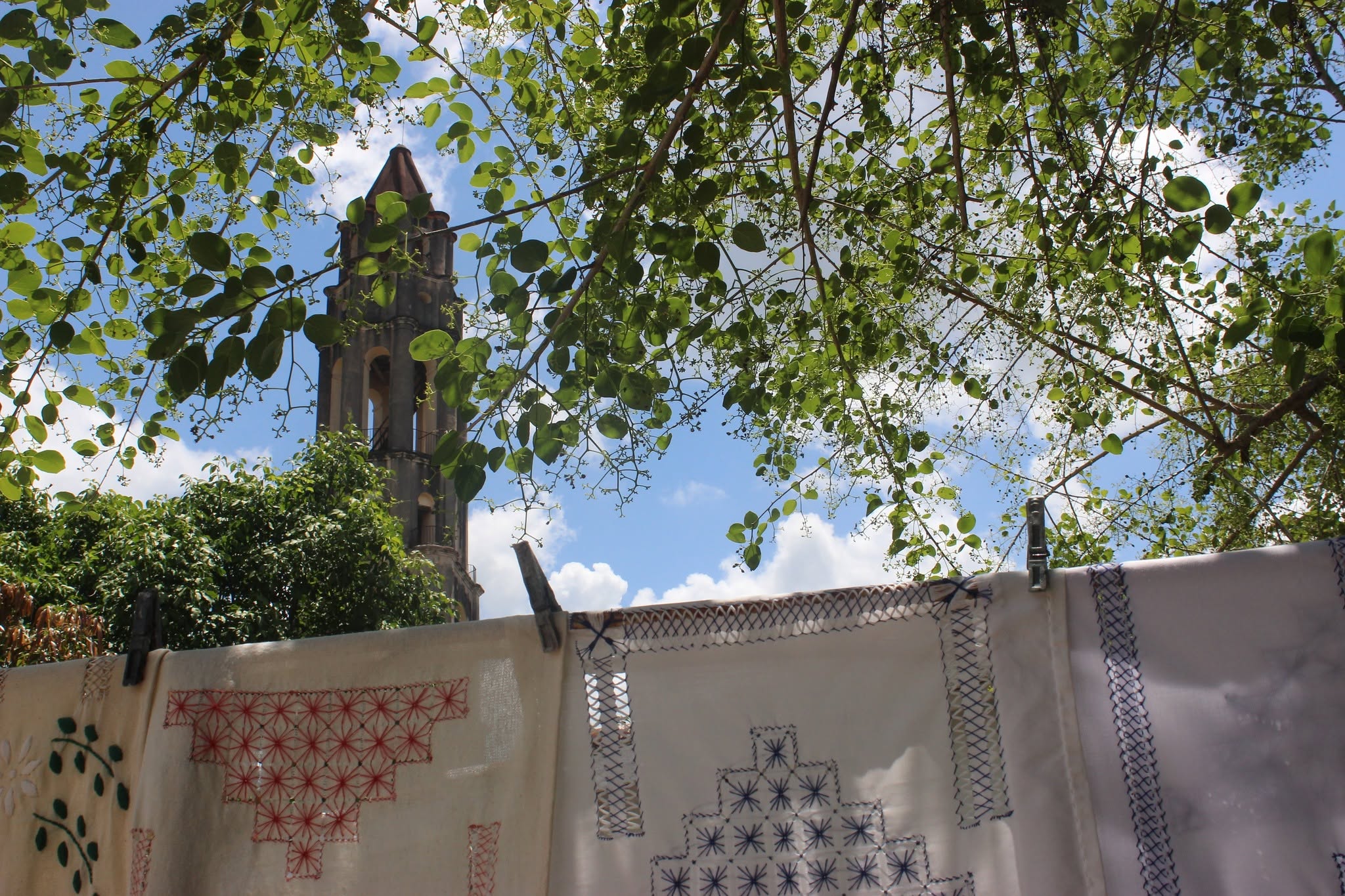
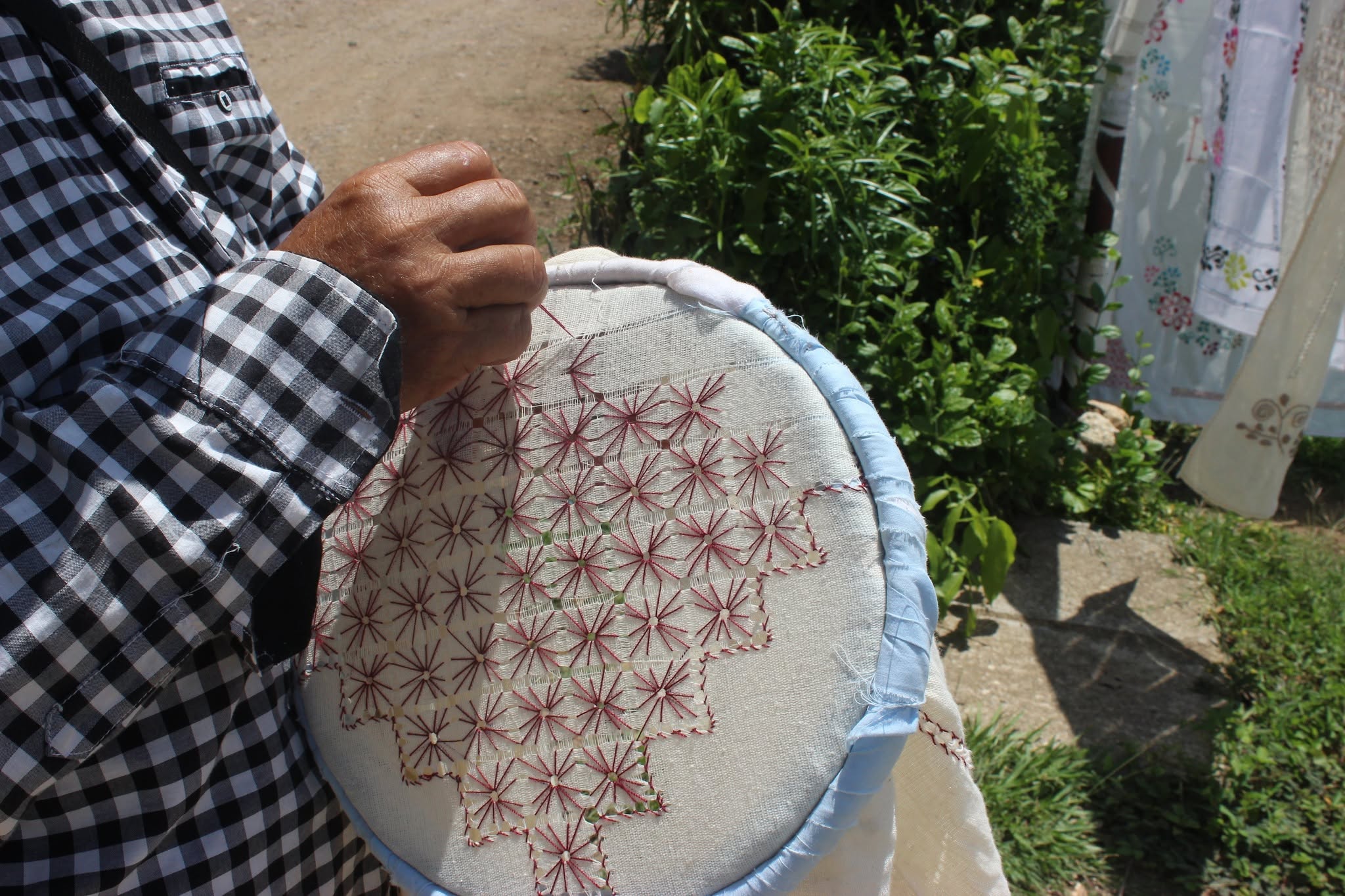
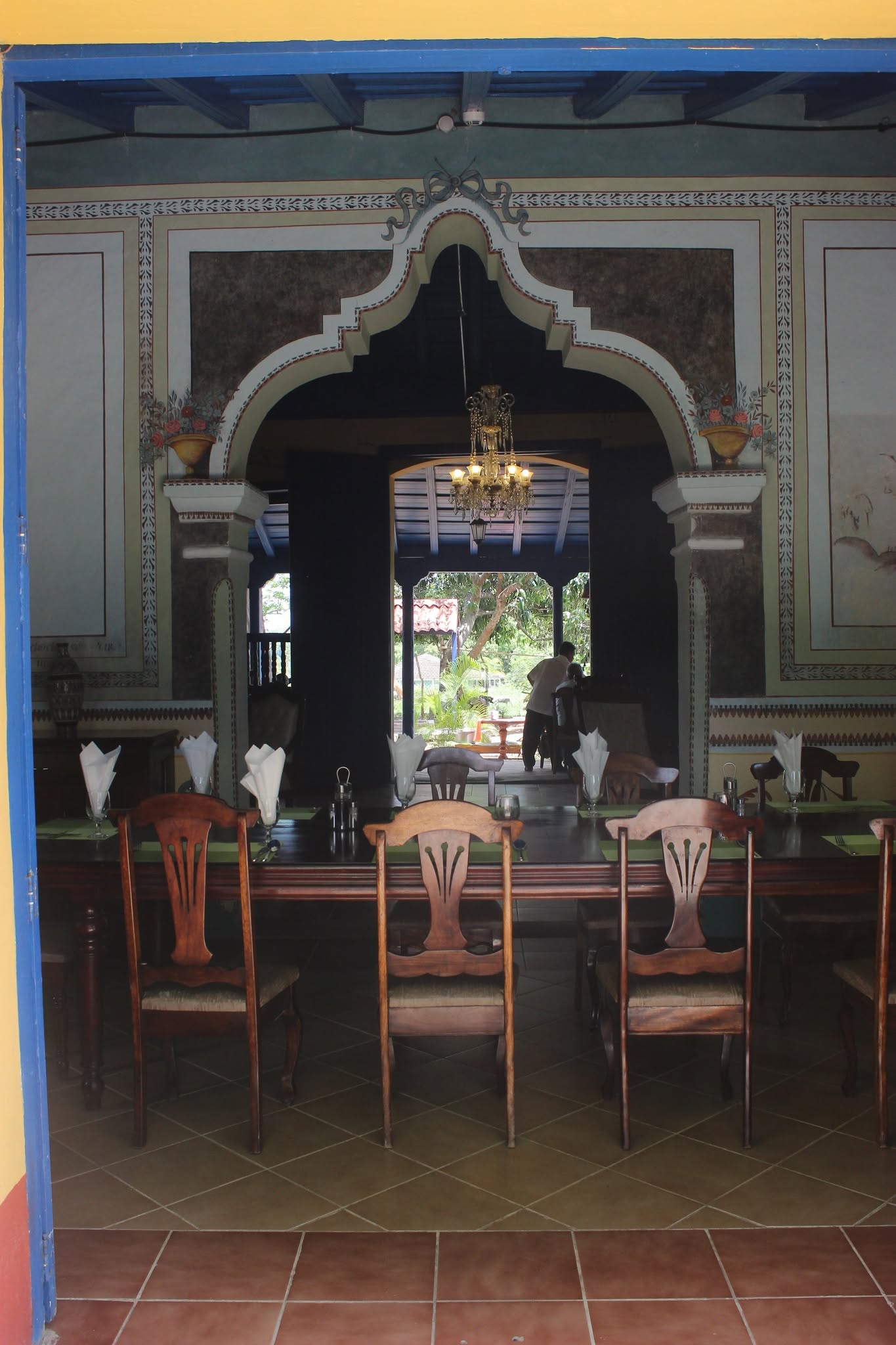
Photo: Daily Pérez Guillén.
The UNESCO Regional Office for Culture in Latin America and the Caribbean, from its headquarters in Havana, is promoting the sustainable development of one of Cuba’s most attractive tourist destinations: the town of Trinidad and the Valley of the Sugar Mills, a site inscribed on the World Heritage List since 1988.
Ten initiatives have been selected to join the Cultural Projects Accelerator for Sustainable Tourism in this region of south-central Cuba, and have already begun the training phase, according to an announcement by the international organization on social media.


PIE: Photos: Facebook page of the UNESCO Regional Office for Culture in Latin America and the Caribbean
As a first step, representatives of cultural and creative projects from Trinidad completed a specialized training and mentoring workshop, which is part of the support process.
“This hands-on workshop was designed to help participants transform their ideas into viable, sustainable proposals linked to tourism,” states the UNESCO press release.
Over the course of three days, the teams strengthened key skills to advance the development of their projects through modules on business models, legal formalization, planning, basic accounting, operational and administrative management, marketing, and brand identity.
According to the call for proposals issued some months ago, the benefits for the selected initiatives include funding, mentoring, and specialized guidance; technical training and capacity building; specialized support through the provision of goods, services, and/or technical solutions; and opportunities to generate income and temporary employment.
The program is part of the regional project “Communities for Heritage,” funded by the Ministry of Culture of the Kingdom of Saudi Arabia.
Through this accelerator, UNESCO promotes the development of practical skills, the strengthening of local capacities, and the creation of inclusive economic opportunities, while contributing to the preservation of the cultural and natural heritage of Trinidad and the Valle de los Ingenios, the statement adds.
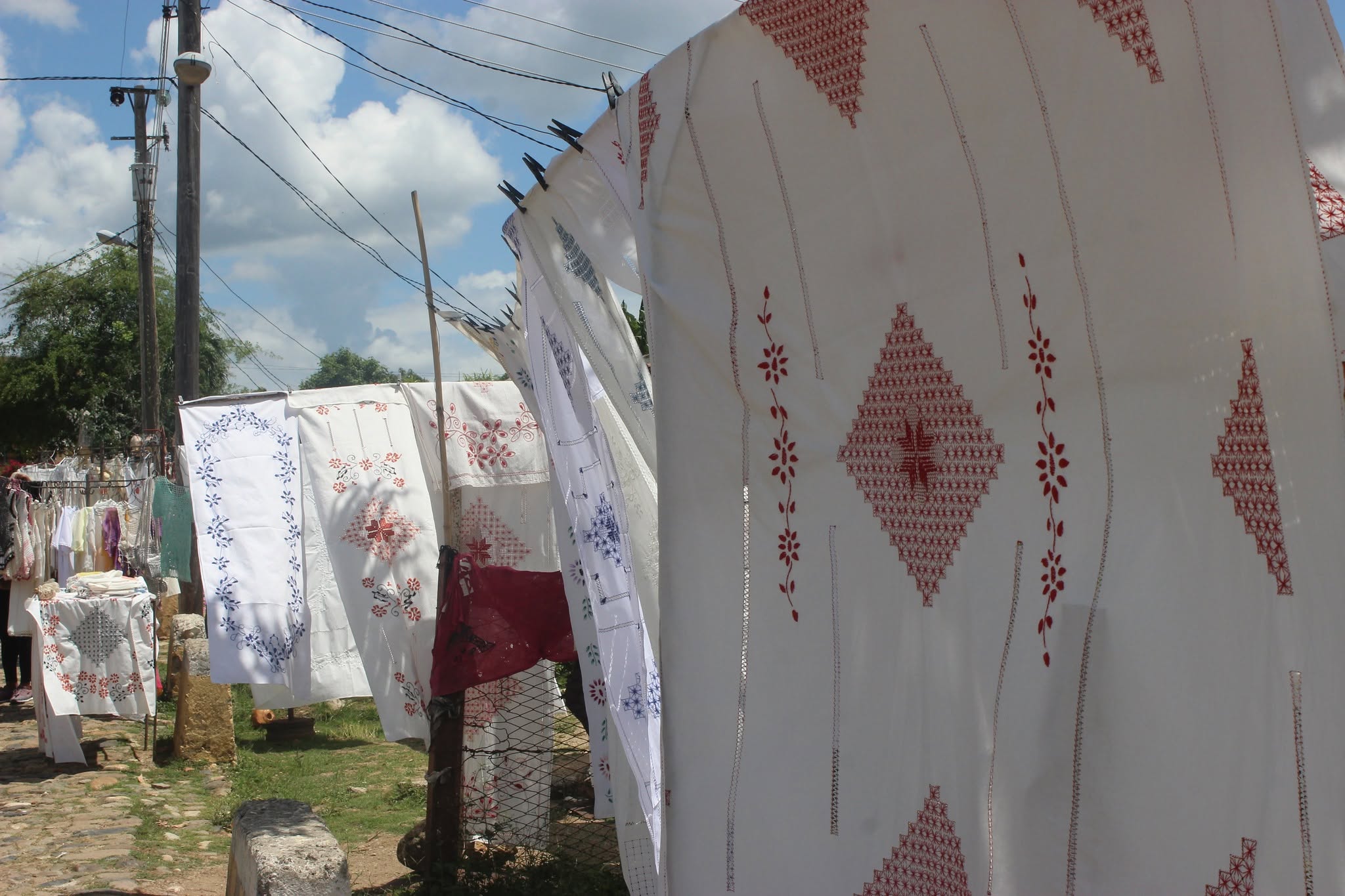
The city of Trinidad also officially received the title accrediting it as a UNESCO Creative City of Crafts and Folk Arts, as part of the celebration of the 506th anniversary of its founding. This recognition adds to its status as a World Heritage Site (1988) and a World Crafts City (2018), reaffirming its role as an icon in heritage conservation and restoration, and as a city that recognizes creativity as a priority for sustainable urban development.
THE TOWN OF TRINIDAD AND THE VALLEY OF THE SUGAR MILLS
Founded in the early 16th century in honor of the Holy Trinity, the city—which today belongs to the province of Santi Spíritus—was a strategic point in the conquest of the American continent.
Its 18th and 19th-century buildings were constructed during its period of greatest prosperity, thanks to the sugar trade. The built environment is an expression of the economic flourishing of those centuries.
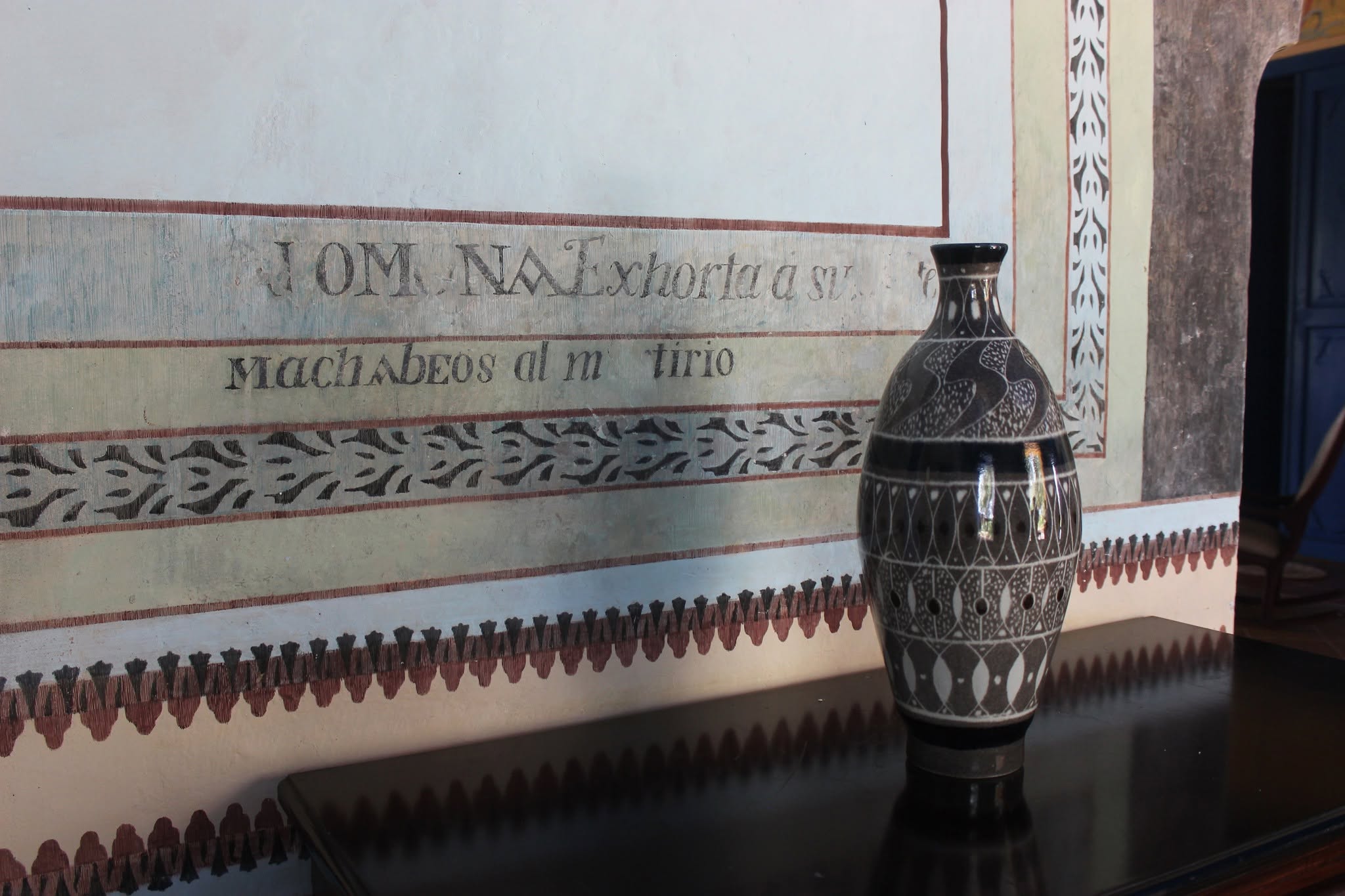
The urban complex of residential buildings in Trinidad exhibits exceptional typological continuity and uniformity in terms of construction and design, featuring a vernacular style characterized by small to medium-sized lots. The early 18th-century buildings, strongly influenced by Andalusian and Moorish styles, blend harmoniously with more elaborate 19th-century designs that combine splendid European neoclassical forms with traditional spatial patterns.
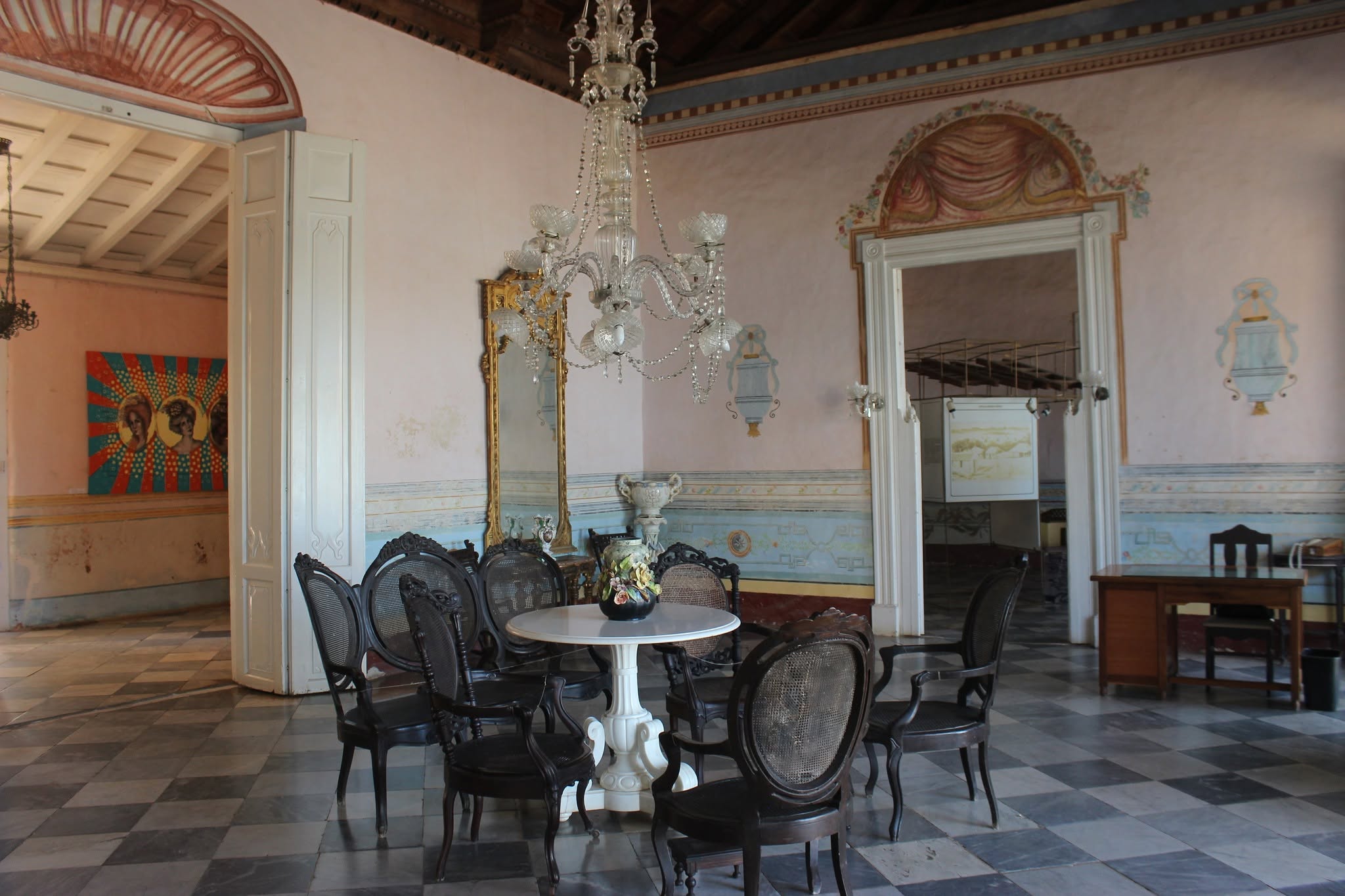
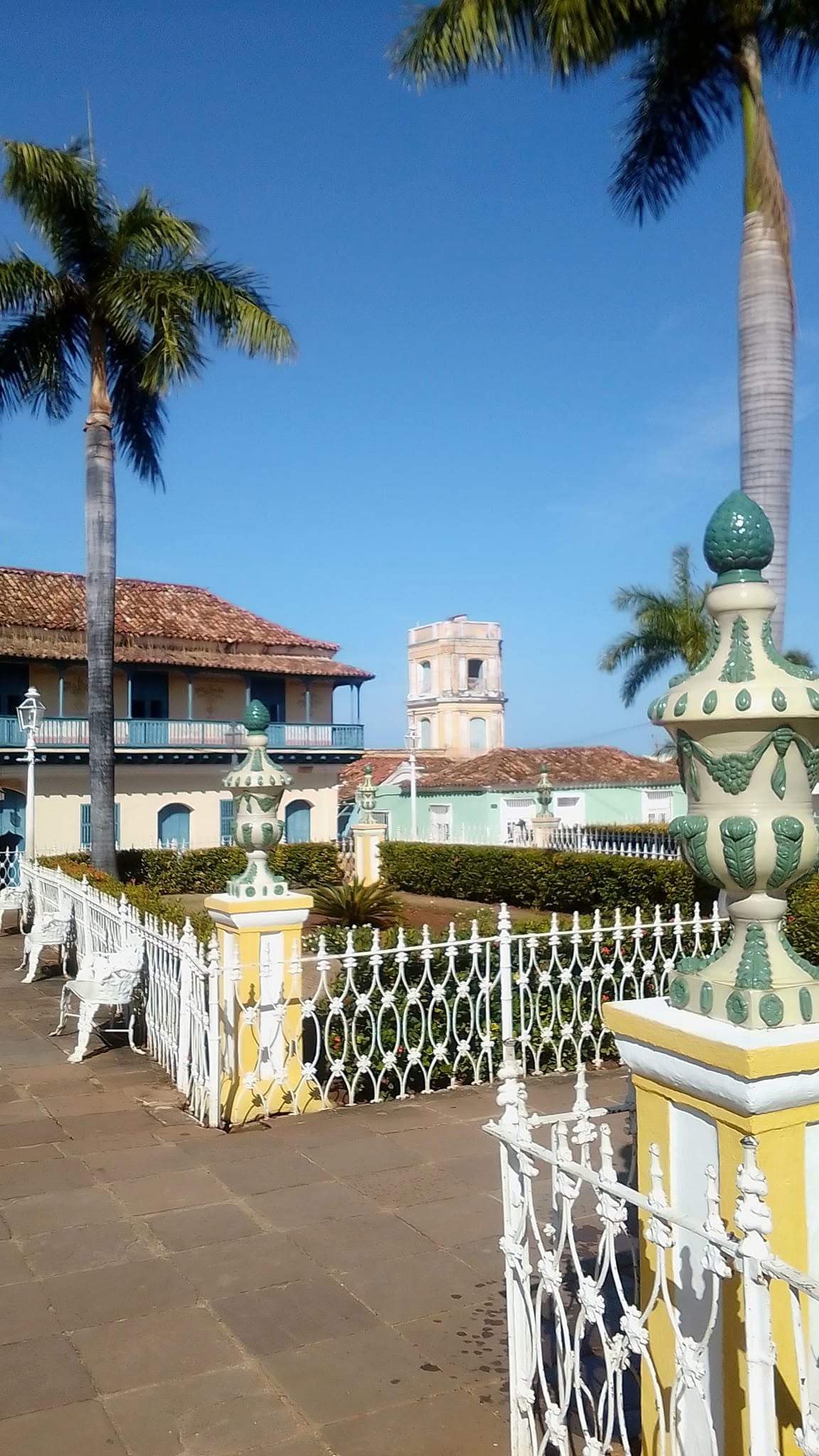
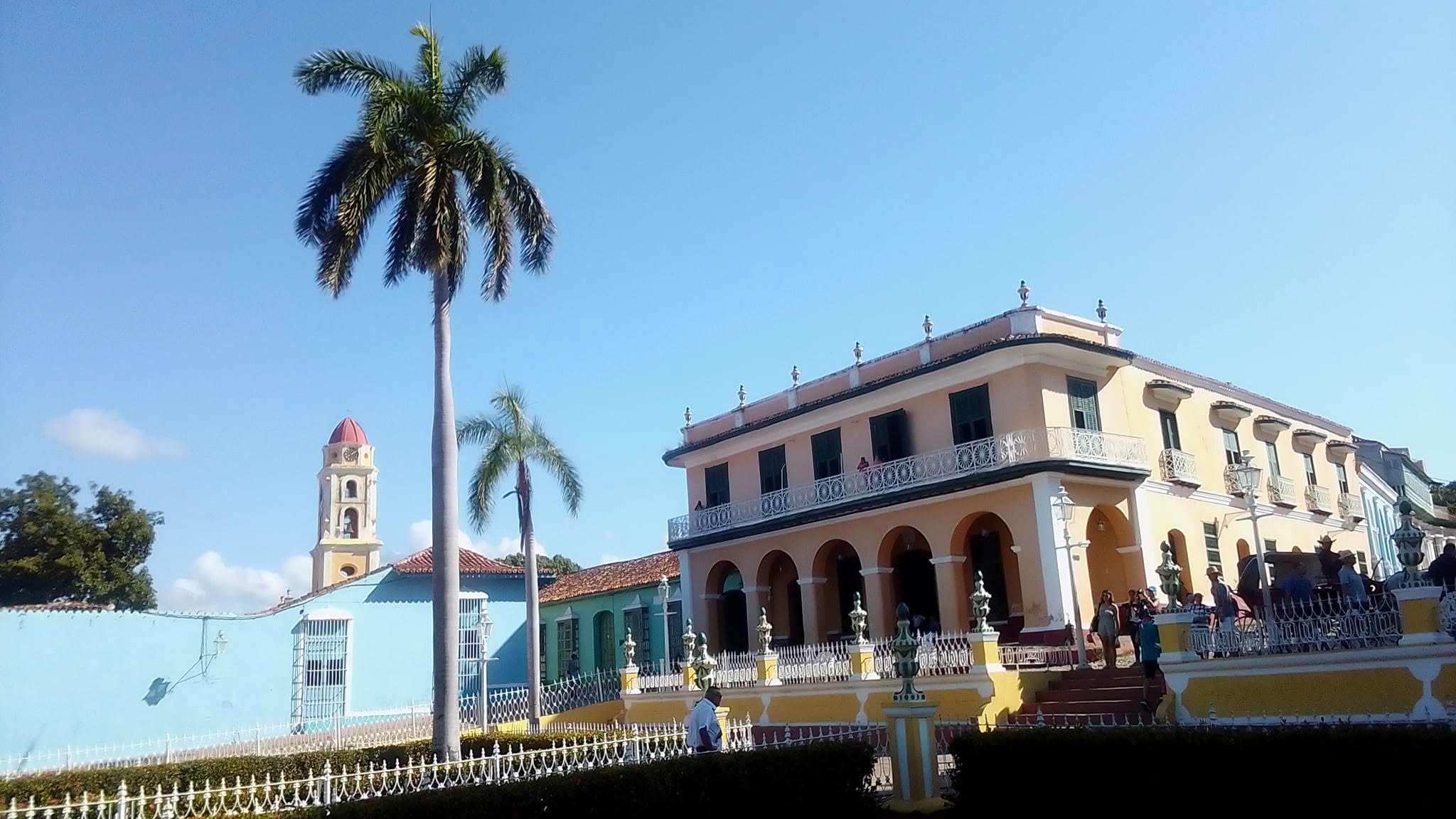
The heart of the 37-hectare historic center is the Plaza Mayor, where, beneath the bell tower of the Convent of San Francisco, stand two notable buildings: the Palacio Brunet, which offers the most authentic glimpse into the city’s golden age; and the neoclassical Palacio Cantero, which currently houses the municipal history museum.
In addition to its architecture, much of Trinidad’s urban fabric—including the irregular network of plazas, cobblestone streets, and other historical and urban elements—has been preserved.
Twelve kilometers northeast of the town lie three interconnected rural valleys—San Luis, Santa Rosa, and Meyer—that make up the 225 km² Valle de los Ingenios, or Valley of the Sugar Mills.
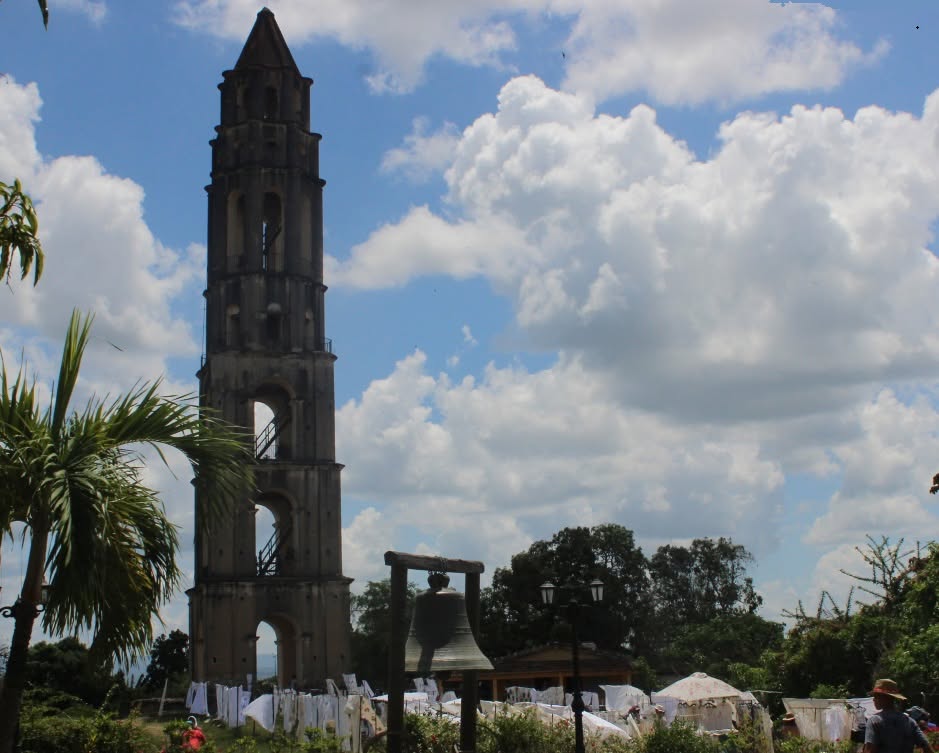
This living museum of Cuban sugar production includes the sites of 75 former sugar mills, plantation houses, barracks, and other facilities related to this vulnerable industry, which has experienced a gradual and progressive decline.
At the height of the sugar industry in the 19th century, more than fifty mills were in operation in the area, and in 1827, more than 11,000 slaves worked in them.
The former plantations, mill buildings, and other facilities, as well as the archaeological sites of the Valle de los Ingenios, represent the richest and best-preserved testimony to the Caribbean sugar agro-industrial process of the 18th and 19th centuries and to the phenomenon of slavery associated with it.