The story of the San Pascual ship: A tourist attraction in Cuba’s northern keys
Of the four ships built by Pacific Marine Construction, the San Pascual is the only one still standing
Posted by Sol de Cuba, 08/09/2026
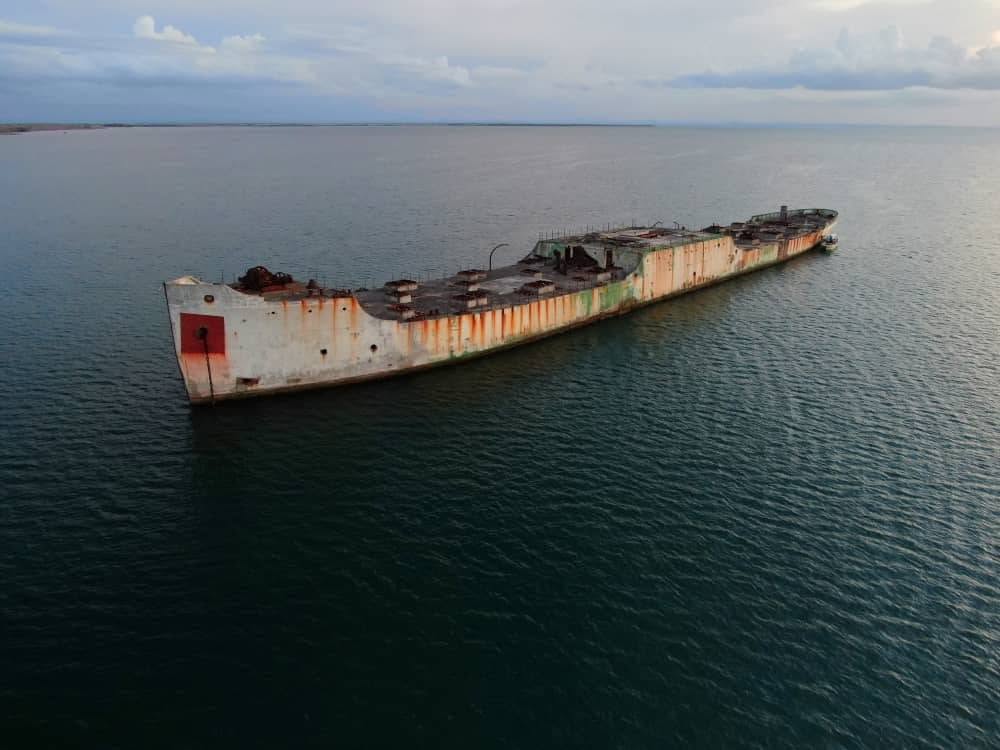
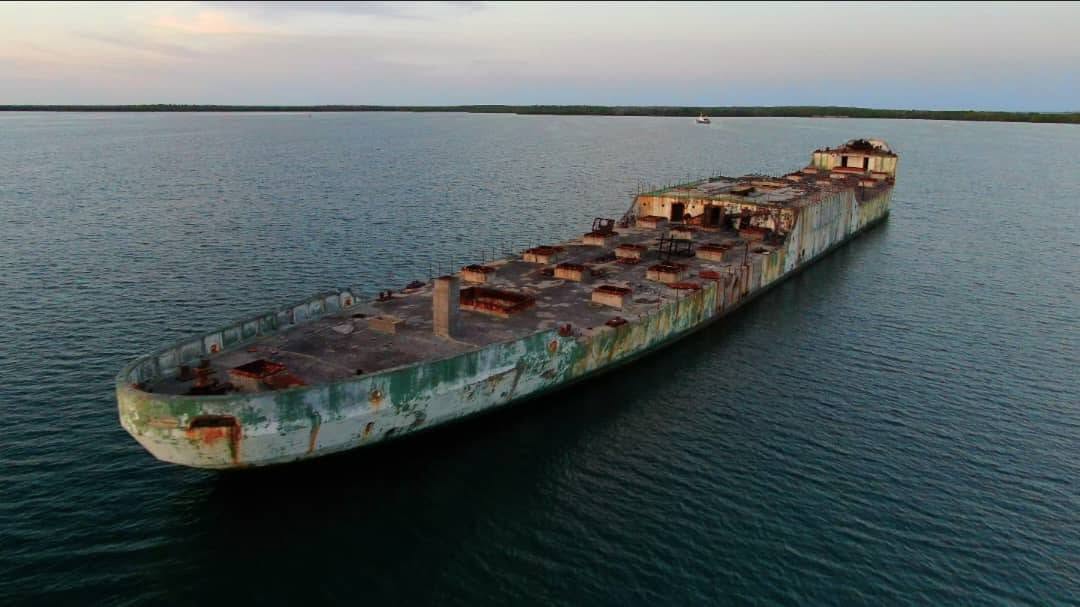
Photos: Secret Nature
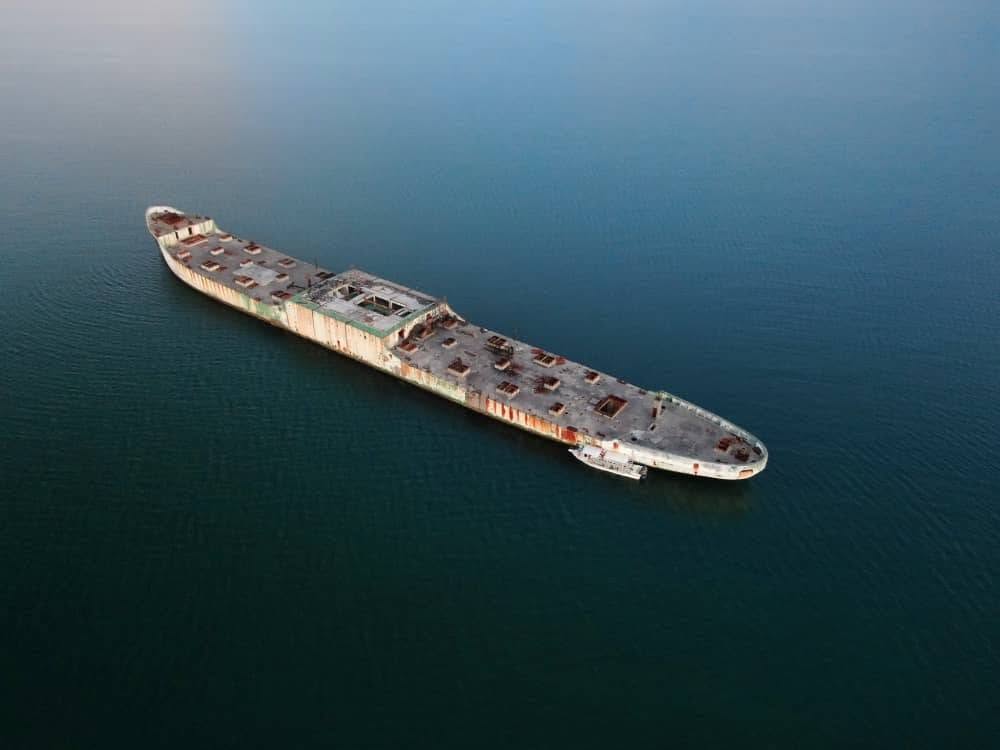
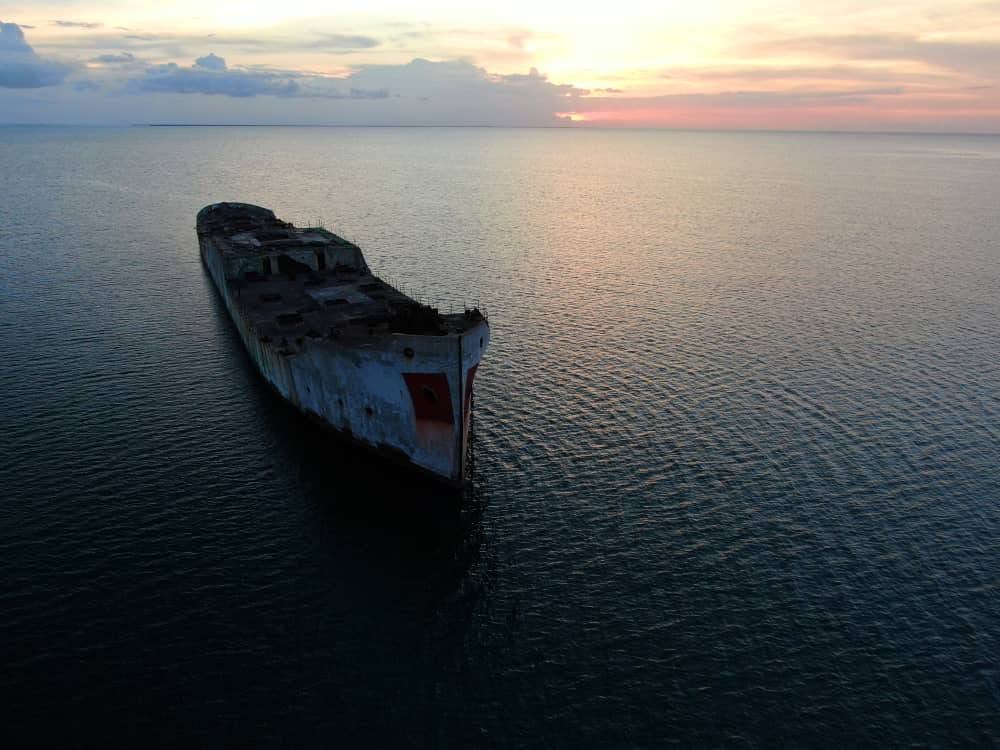
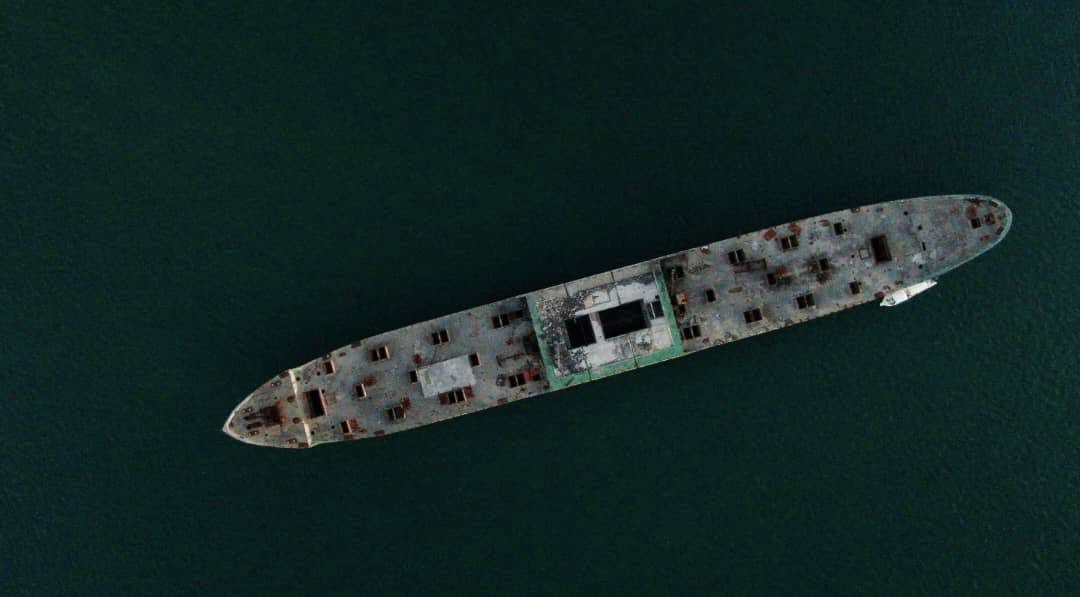
The San Pascual, one of the few concrete ships ever built, has been beached for over 90 years near Cayo Francés, within the local wildlife refuge. Built in 1920 in San Diego, California, it was initially designed as a tanker to transport fuel or oil.
Of the four ships built by Pacific Marine Construction, the San Pascual is considered the only one still standing.
After a troubled first year of operations, it was acquired in 1924 by the Cuban Punta Alegre Sugar Company, dedicated to the molasses business, an activity it pursued for nearly a decade, until it was eventually used as a floating molasses storage facility.
“We are looking at one of the colossi that remain in the sea, a shipwreck, which is what ships are called when they are submerged or grounded,” explains Joán Hernández Albernas, an environmental specialist at the Cayo Francés Wildlife Refuge, to the Secret Nature project.
It is unknown whether the grounding of the San Pascual, known to locals as El Pontón, in 1933 was intentional or accidental, although the most widely accepted version is that it was due to adverse weather conditions that hampered its towing.
Currently, the ship rests on the seabed at a depth of about seven meters, where a layer of sediment keeps it partially trapped.
“Today, we have the ship as part of a tourist product that includes a brief tour around it on a boat excursion, leaving visitors amazed by its 132 meters in length and 16 meters in beam. It’s not a ship that can go unnoticed,” he explains.
Feats of the old ship
During World War II, the San Pascual was armed as a defensive measure, given its proximity to a Cuban-American military base that conducted surveillance flights to detect German submarines in the Caribbean. The participation of the submarine chaser CS13, with Norberto Collado aboard, stands out; it managed to sink U-boat 176, considered a feat of the Cuban Navy.
The San Pascual has also survived several hurricanes and has maintained its structure, practically without moving from its location. However, the damage suffered over time is evident. Some ships have reached it seeking refuge from bad weather, causing collisions that have partially destroyed parts of the hull.
Another legend links the ship to the life of the famous Cuban painter Leopoldo Romañach, who had a great passion for the sea.
Today, the constant discharge of fermented molasses from the San Pascual, which dilutes and drains into the sea, impacts the ecosystem. Solutions are being sought for this situation, as its extraction is complex and risky, since it could fracture the ship.
On the other hand, this discharge has boosted the abundance of sizable lionfish in this area, because the spilled molasses nourishes a community of small organisms that feed the voracious invasive species.