Hacienda Cortina: A journey into Cuba’s neocolonial past
This vast estate, which spanned three municipalities, shaped the history and culture of Pinar del Río
Posted by Sol de Cuba, 22/08/2026
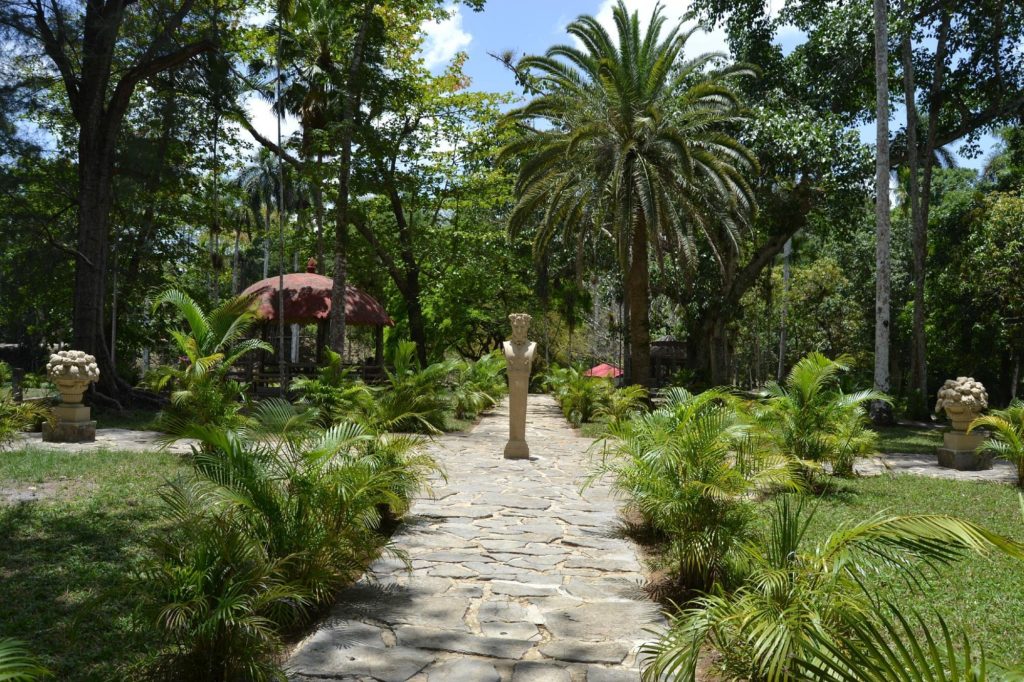
On the banks of the San Diego River, between the Sierra del Rosario and the Sierra de los Órganos, lies the former Hacienda Cortina, a land steeped in legends that invites visitors to journey into Cuba’s neocolonial past.
What was once one of Cuba’s largest estates during the neocolonial Republic is now La Güira National Park—a place where nature, architecture, and universal culture converge, bearing witness to a grand and complex past.
Hacienda Cortina, whose origins date back to the first half of the 20th century, once spanned nearly 25,000 hectares spread across three municipalities in Pinar del Río—Consolación del Sur, La Palma, and Los Palacios—and included several historic ranches or corrals whose names date back to the 16th through 18th centuries, such as San Pedro de las Galeras, Galalón, Caiguanabo, and San Andrés.
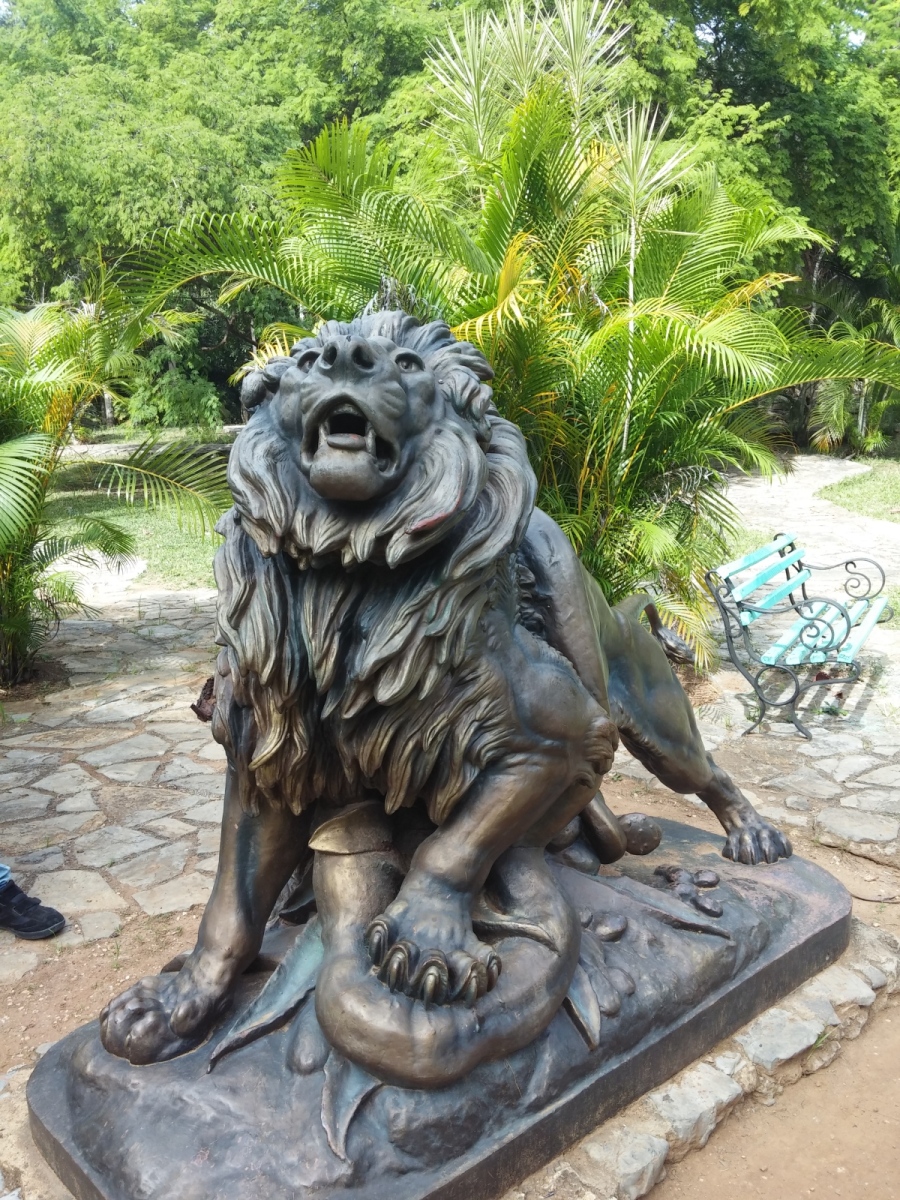
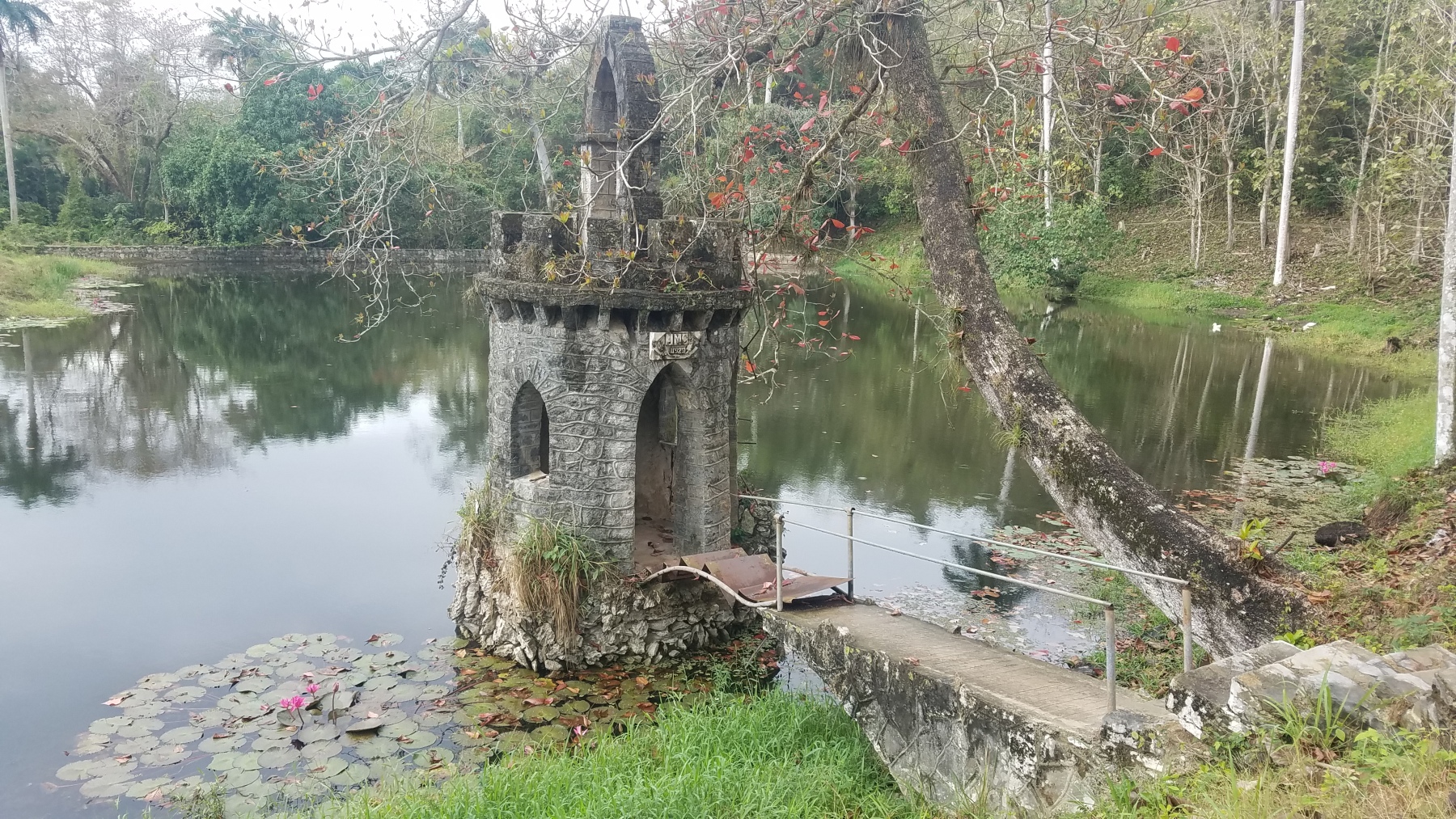
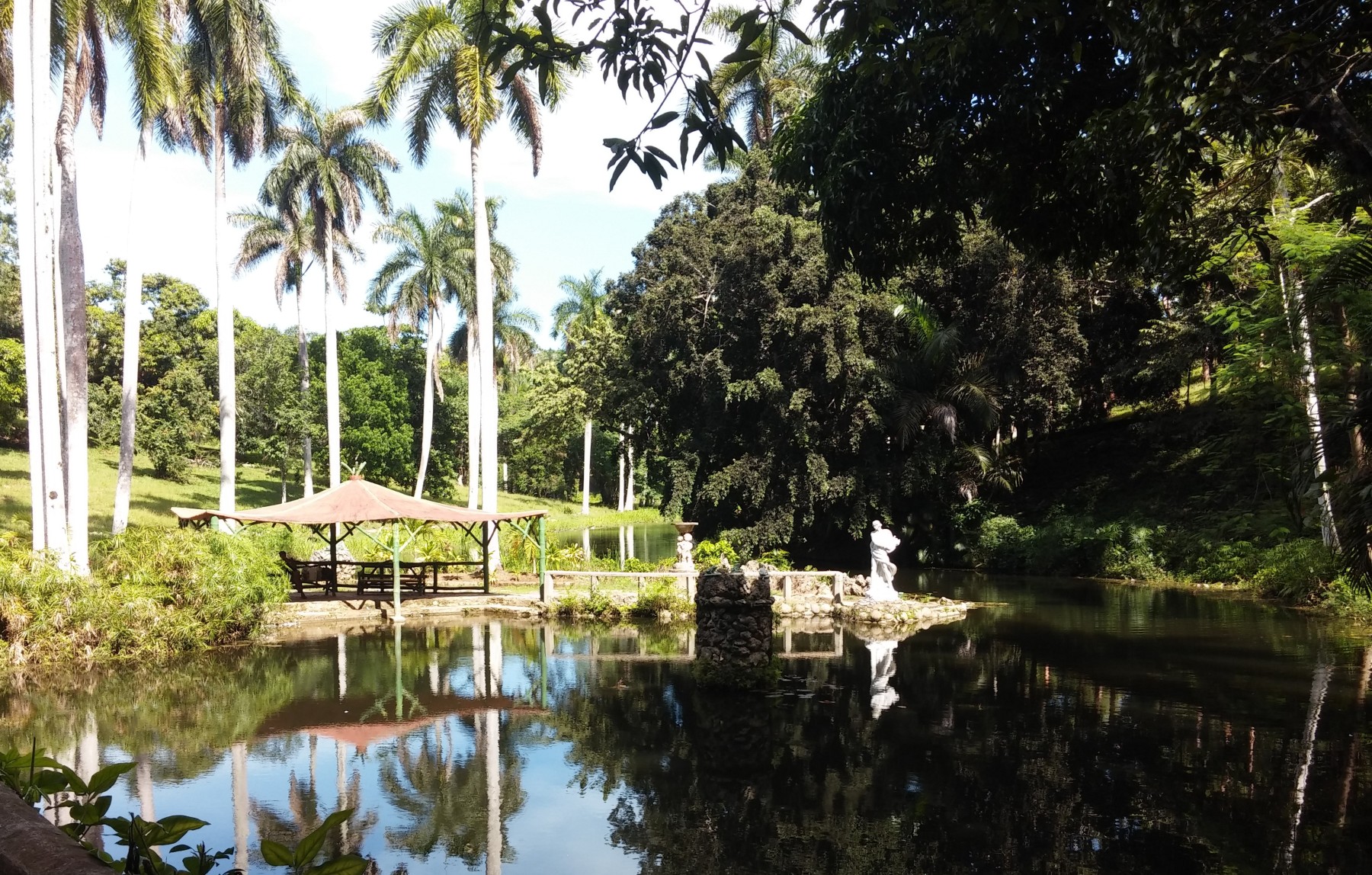
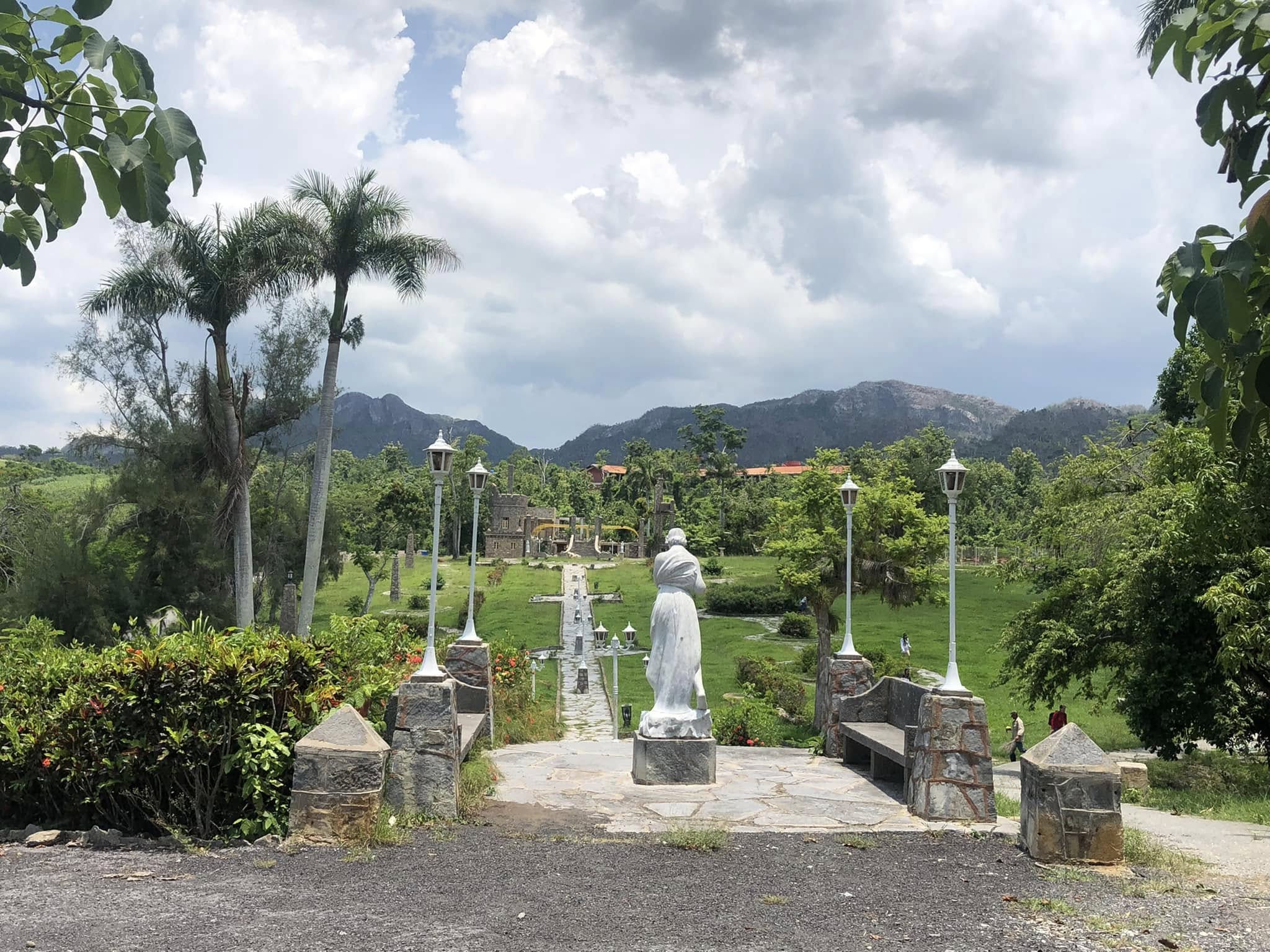
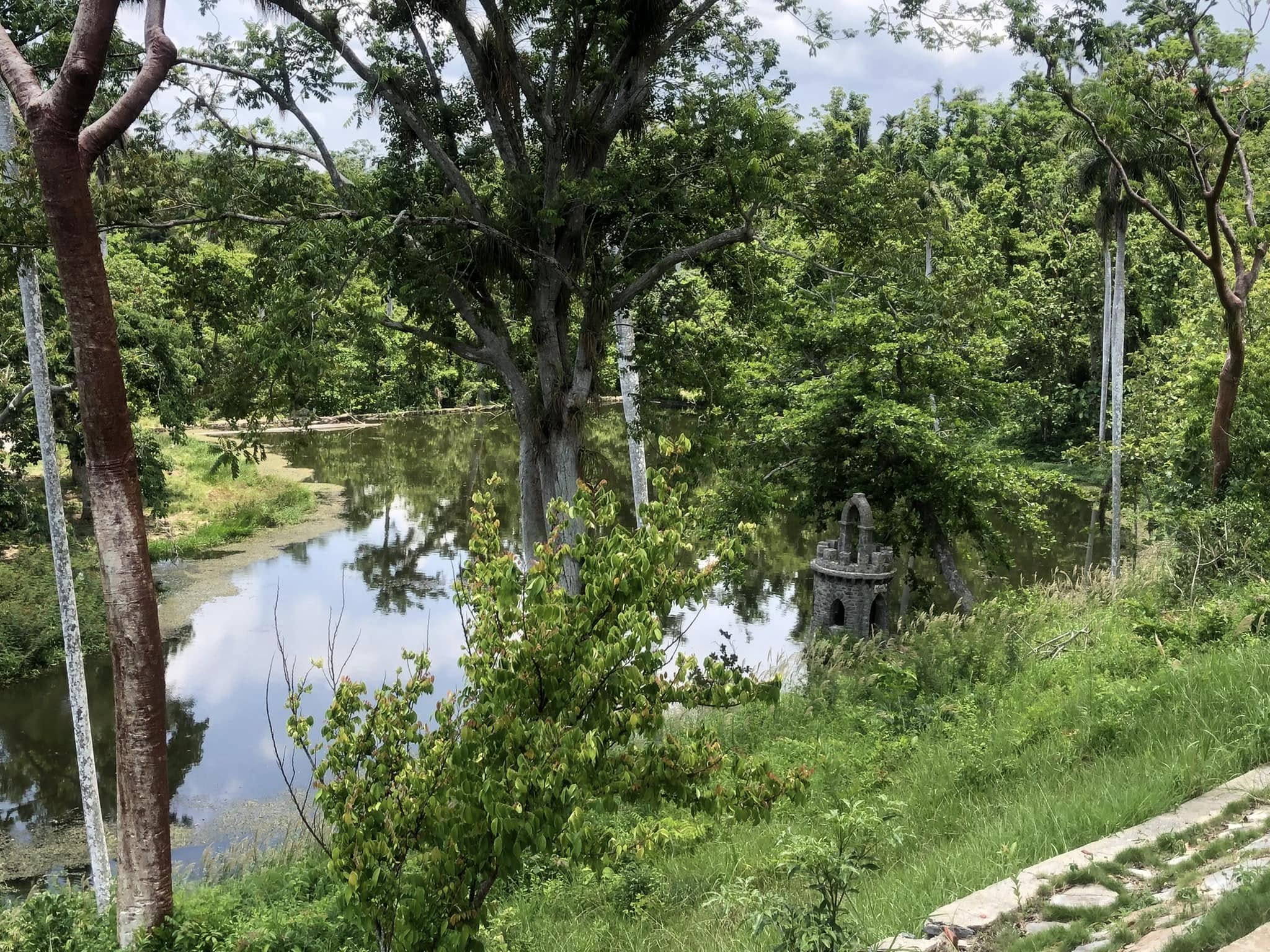
Photos: Yenisleidy Sanchez Leyva / Facebook Group “Cuba en lFotos”
A RURAL EMPIRE IN PINAR DEL RÍO
Its founder and principal owner, José Manuel Cortina—a prominent Cuban lawyer, politician, and diplomat—was the driving force behind the development of this estate, which was dedicated to livestock farming, the cultivation of tobacco, fruits, and coffee, resin extraction, and forest conservation.
It is said that he acquired the property known as La Güira in 1906 and subsequently expanded by purchasing numerous farms over the course of two decades, eventually establishing an agro-industrial complex comprising more than 6,800 farms—some covering more than 5,000 hectares—according to the Pinar del Río Provincial Archive, as reported in the weekly newspaper Guerrillero.
THE LANDSCAPE THAT CAPTIVATED CORTINA
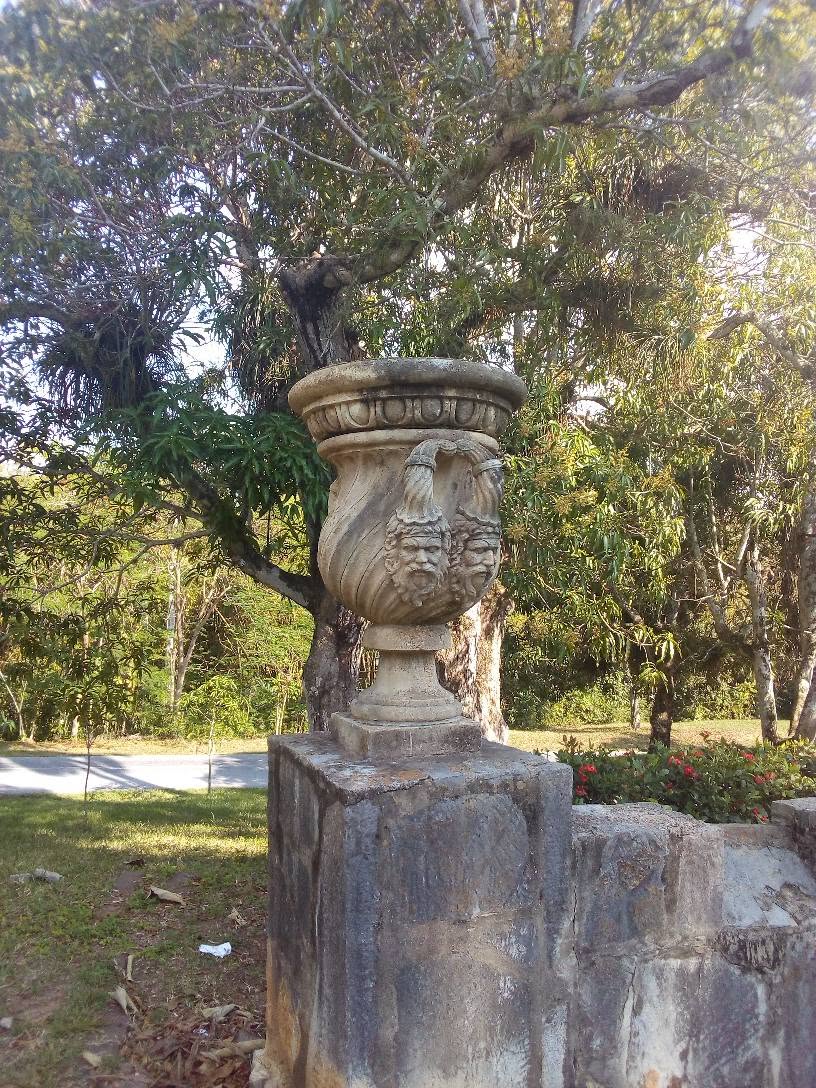
La Güira, the heart of the estate, possesses a natural beauty that Cortina sought to preserve and highlight. That is why, in 1920, he built a park there that remains impressive to this day, particularly for its majestic medieval-style entrance gate made of local stone, with marble-paved paths winding through gardens and bronze lanterns, and a main house built of local stone, along with the famous Chinese and Japanese houses, which housed unique collections of Asian culture and Oriental art.
The park was adorned with imported Carrara marble and bronze sculptures, an artificial lake with docks, bridges, pools, and aviaries for exotic birds that the landowner brought from the Americas—for which he had small treehouses built so they could rest.
Cortina proved to be a key figure in Cuban politics. A senator, minister, and chairman of the committee that drafted the 1940 Constitution, his life was marked by political and cultural engagement with his era.
The vast estate operated on a system of leasehold and sharecropping arrangements for peasants, who often lived in precarious conditions—a common phenomenon on large Cuban estates of the time. Despite this, Cortina supported the operation of five schools with more than 400 students on his property.
Cueva de los Portales: Che’s hideout
A fascinating chapter in the events that took place on the grounds of the Hacienda Cortina is linked to the Cueva de los Portales, which years later would serve as a strategic base for Commander Ernesto Che Guevara during the Missile Crisis of October 1962.
He stayed there with his team, leaving the essence of a guerrilla fighter imprinted on the austere natural walls and the humble bed that is still preserved today.
Designated a National Monument in 1987, the cave attracts visitors and has been the site of visits by figures such as Fidel Castro and Celia Sánchez.
With the Cuban Revolution and the agrarian reform process in 1959, the Cortina Estate ceased to be private property. Fidel Castro visited the estate, which at the time spanned 1,800 caballerías, and was impressed by its natural wealth and culture. From that visit emerged the idea of “Campismo Popular” (Popular Camping), aimed at creating spaces for recreation and culture for all Cubans—an initiative that, several years later, became a successful national program.
Today, La Güira National Park is a natural and cultural heritage site that continues to preserve many of the traditions and beauty inherited from the hacienda. Efforts are underway on its grounds to restore native species, iconic trees, and lost sculptures.
Main References
Giniebra Giniebra, E. & Ramos Gómez, M. N. (2008). Hacienda Cortina. Ediciones Loynaz, Pinar del Río.
Archivo Provincial de Pinar del Río, Legajos 1-3; Archivo Nacional de Cuba.
Havana Times Español (2025). Un paseo por la historia de la antigua Hacienda Cortina. https://havanatimesenespanol.org/fotorreportajes/un-paseo-por-la-historia-de-la-antigua-hacienda-cortina/
Azcuy González, R. (1996). La Cueva de Los Portales. Ediciones Pablo de la Torriente, La Habana.
Diario Digital El Guerrillero. La Cueva del Guerrillero. https://www.elguerrillero.cu/
Surgimiento del Campismo Popular. Sitio Web oficial.