Cañón del Yumurí: Legend and beauty
The canyon is an imposing geological fracture that descends from the mountains of the Nipe-Sagua-Baracoa region
Posted by Sol de Cuba, 08/07/2026
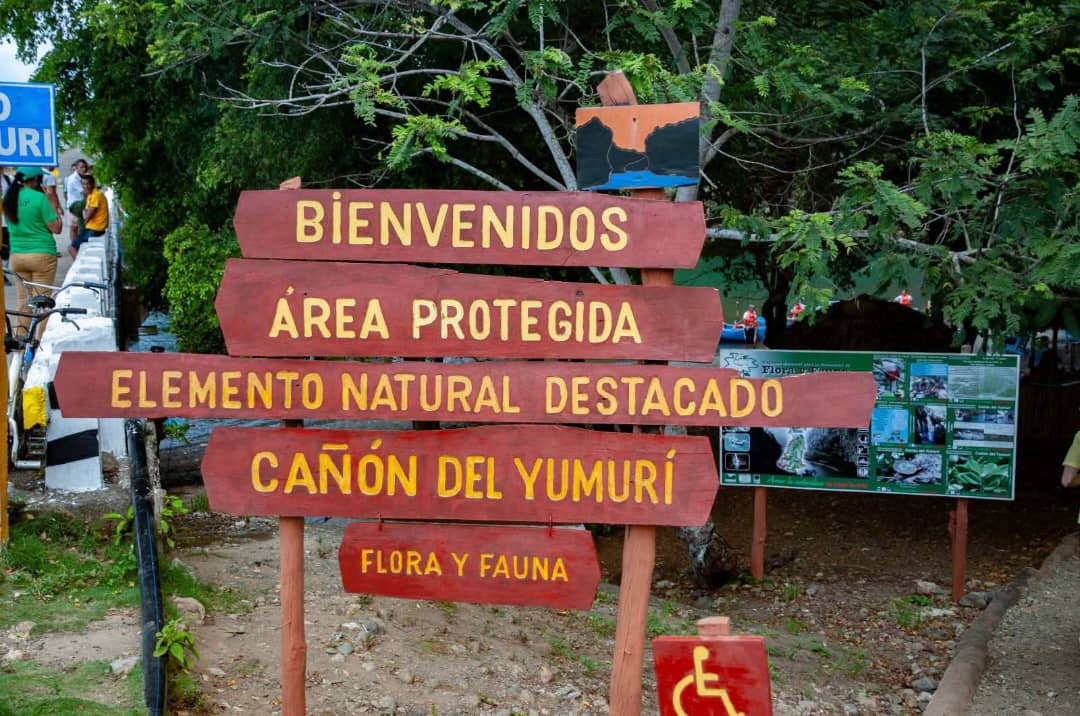
We leave the plains behind to delve into the most fascinating corner of eastern Cuba. If the Cave of the Fish dazzled us with its underwater mysteries, the Yumurí Canyon, located about 28 kilometers northeast of the mythical city of Baracoa in Guantánamo, offers a journey to a prehistoric Cuba, vertical and teeming with life.
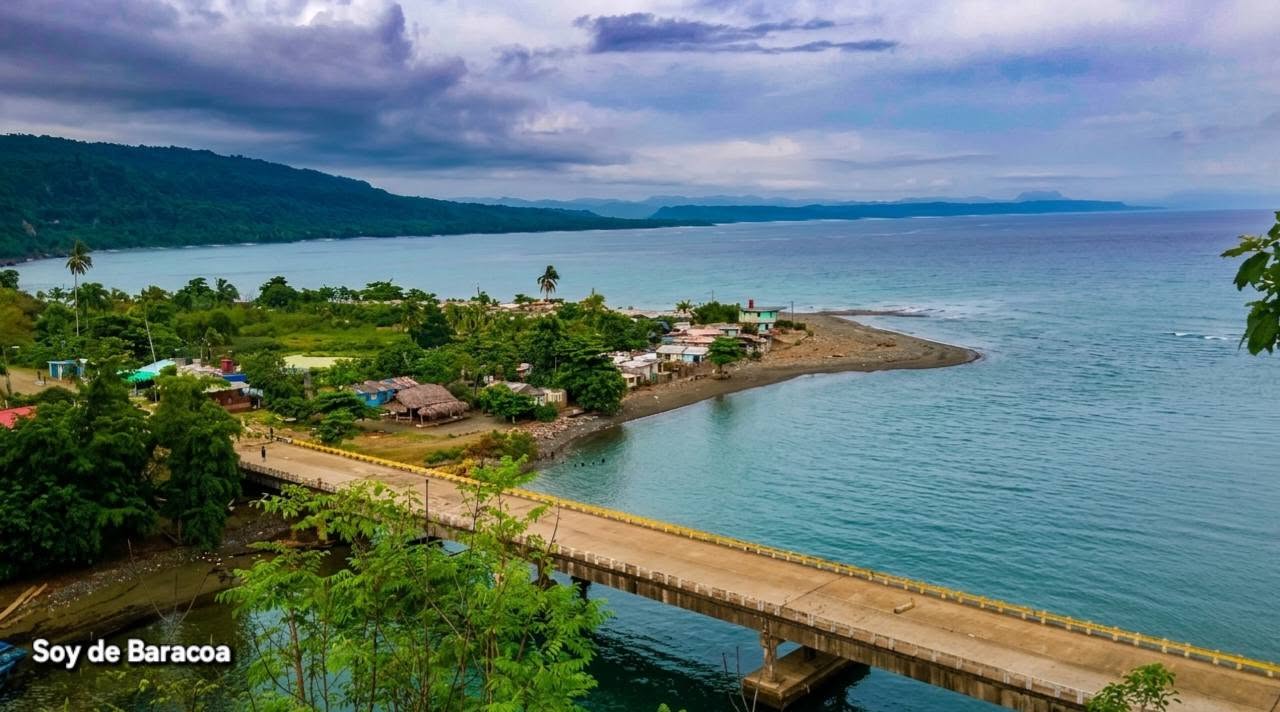
Getting there, whether winding along the road that connects to Maisí or passing through communities like Ojo de Agua and Mandinga, is to enter the heart of the greatest biodiversity and endemism on the entire island.
The landscape is breathtaking even before you take your first step. The canyon is an imposing geological fracture that descends from the mountains of the Nipe-Sagua-Baracoa region directly to sea level. On both sides of the Yumurí River rise majestic limestone cliffs and steep slopes that reach heights of up to 300 meters in some places.
Wind and rain have sculpted the rock over ages, creating pointed peaks, grottoes, overhangs, and hollows that gaze into the void. It is a labyrinth of stone and water that seems straight out of an adventure novel.
Sanctuary of the blue palm and the polymita
Walking through the canyon is to witness the absolute triumph of nature. Its forests are home to trees over 20 meters tall, guarded by the silhouette of the royal palm and, most notably, by the blue palm, an endemic jewel of the eastern region that demands our utmost protection.
Among the dense vegetation live endangered precious hardwoods like the ácana and the caguairán, surrounded by an endless tapestry of exotic ferns and wild orchids such as the Encyclia phoenicea.
But the magic of the Yumurí isn’t just in its plants. If you look closely through the foliage, you’ll discover the canyon’s true inhabitants, including the polymita (Polymita picta), considered the most beautiful snail in the world for the vibrant colors of its shell, sharing the space with the endangered Polydontes imperator snail.
The echo of the canyon also amplifies the songs of iconic Cuban birds such as the Cuban trogon, pygmy owl, green woodpecker, mockingbird, and the majestic emerald hummingbird.
Meanwhile, in the damp soil and among the rocks live unique and critically endangered species, such as the Boca de Yumurí frog and striking lizards like the Baracoa knight anole.
Traces of history among the undergrowth
The allure of the Yumurí Canyon transcends its breathtaking natural beauty. In its caves and small side valleys, the ceramic remains of the agro-pottery settlements of the indigenous people still rest, who found a perfect home in this isolation.
Furthermore, the canyon holds secrets from the colonial era and the early 20th century. The most prominent witness to the area’s industrial past are the ruins of the Banana Funicular Railway, an impressive structure used by U.S. companies to transport bananas from the mountain peaks to the river, ready for export worldwide. Exploring the Cañón de Yumurí is a transformative experience. You can travel through it by boat, navigate its calm waters flanked by gigantic stone walls, or hike its trails, feeling small in the face of the grandeur.