Baracoa offers a new attraction: The Coffee and Cacao Culture Interpretive Center
Coinciding with the 515th anniversary of the founding of the first town, the new institution presents itself as “a house of tradition.”
Posted by Sol de Cuba, 08/09/2026
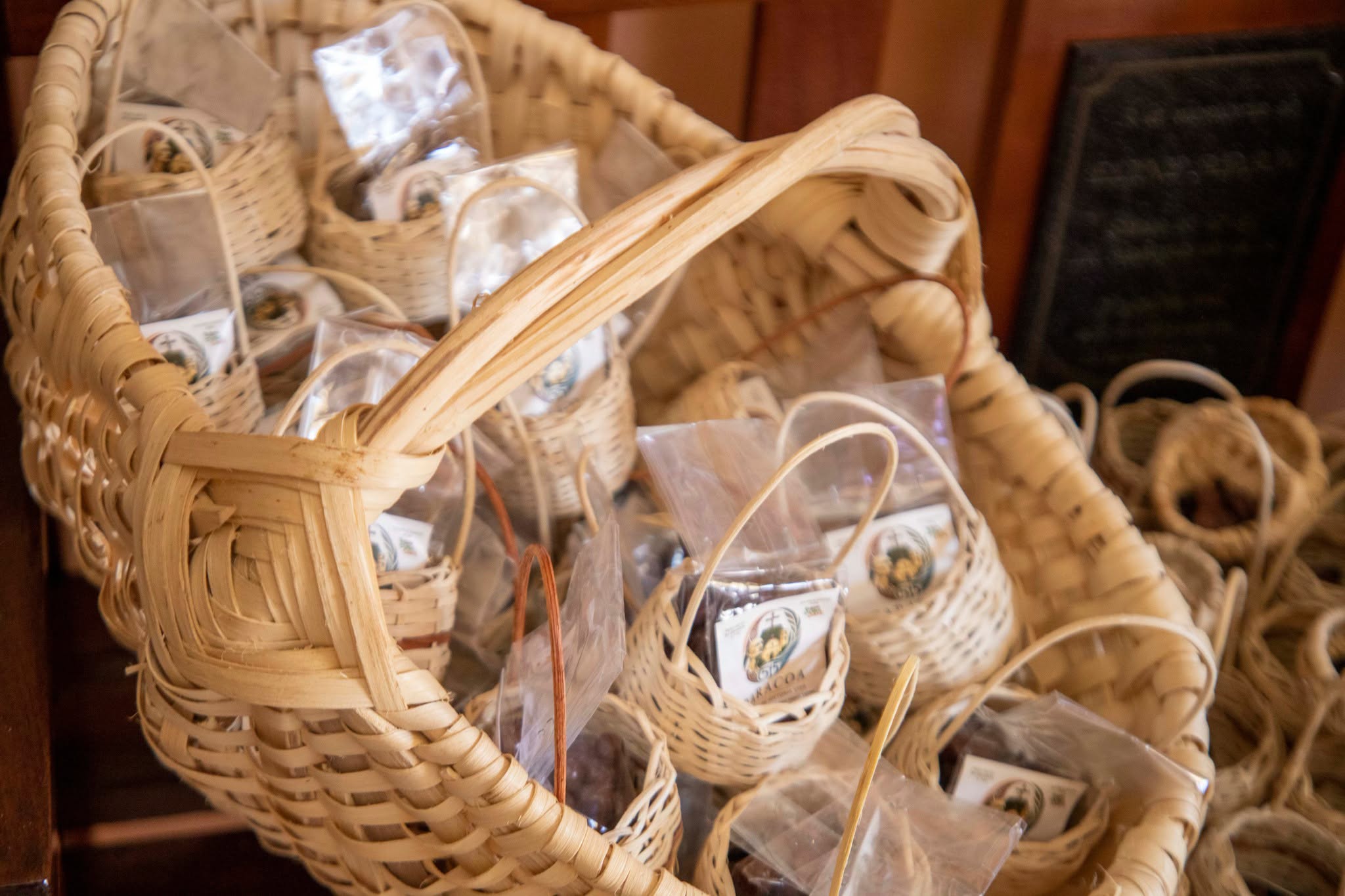
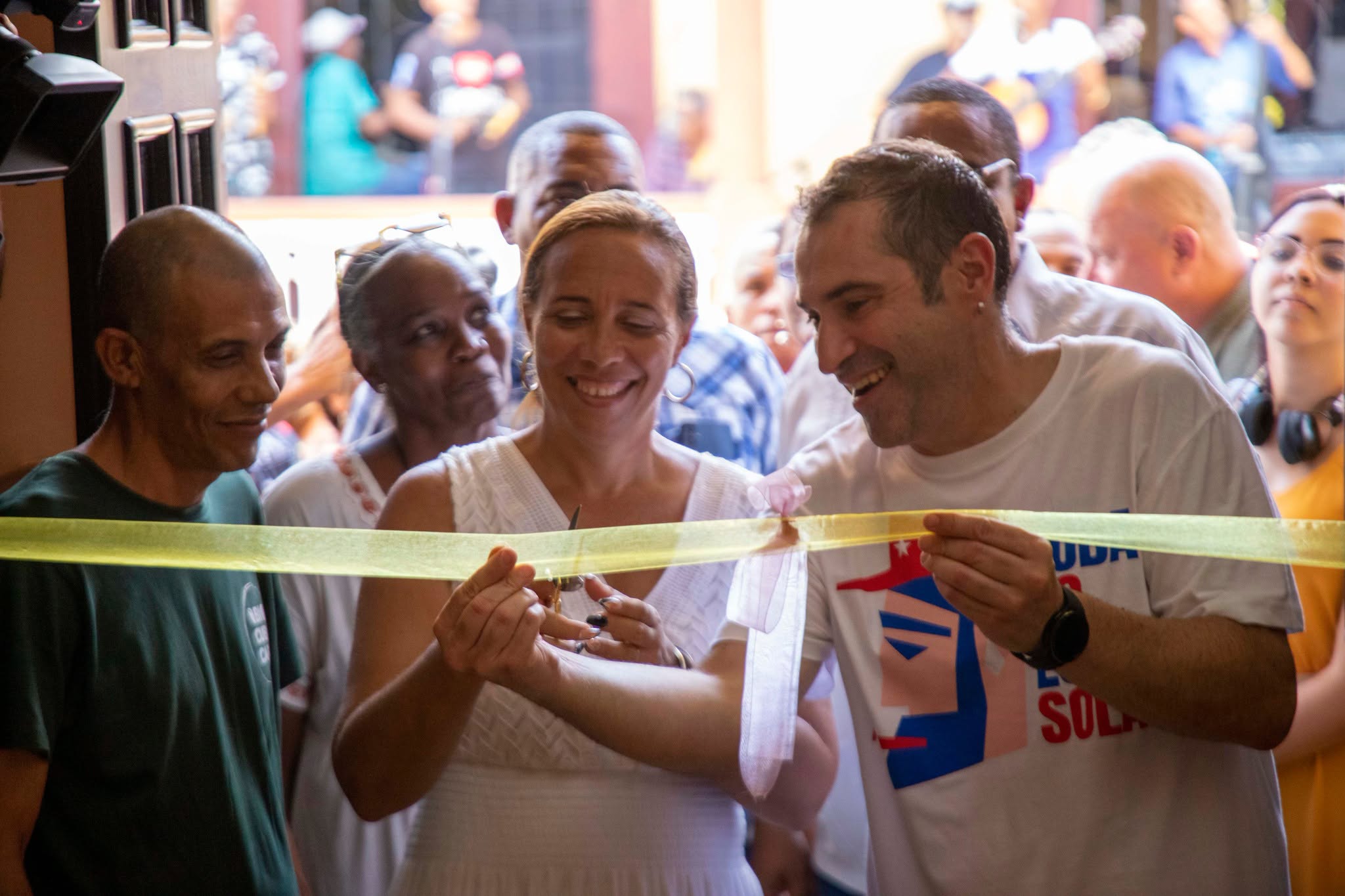
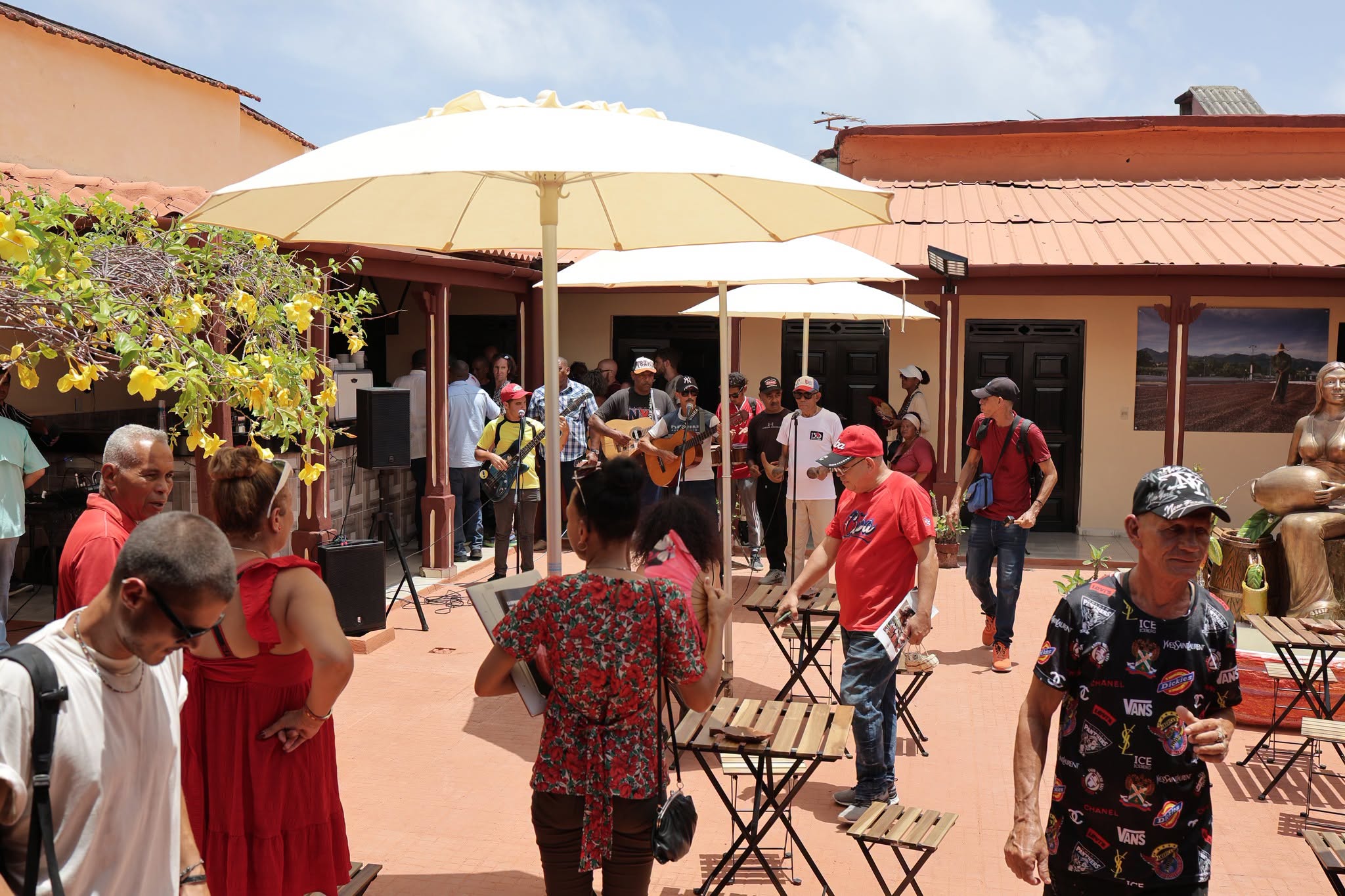
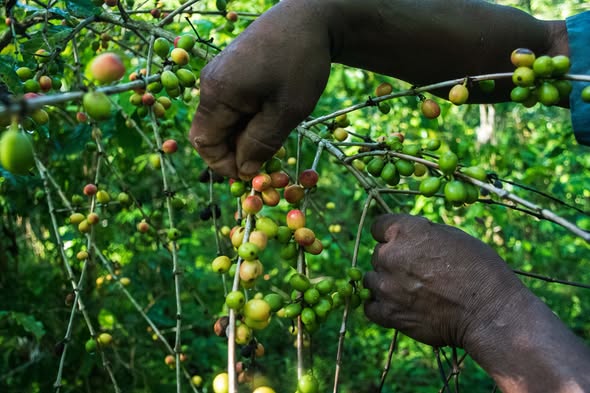

Photos: Naturaleza Secreta / BioCubaCafé
The recent inauguration of the Coffee and Cacao Culture Interpretive Center in Baracoa, a five-century-old town that was the first founded by the Spanish conquistadors in Cuba, opens a new window for visitors to discover the island’s most intrinsic traditions.
The space “is born with the vocation of living memory and tribute to the land that saw the germination of two of the most emblematic crops of eastern Cuba,” states BioCubaCafé S.A., an Italian-Cuban joint venture dedicated to the production and promotion of certified organic coffee in the Caribbean nation, on its official website.
The opening coincided with the 515th anniversary of the town’s founding, as “a gesture of rescuing and consolidating a culture that, although rooted in the mountains and riverbanks, deserved a shrine in the heart of the city,” the company states. Its management considers this a “living space, not a static museum, but a workshop for encounter, tasting, and learning for locals and visitors alike.”
“Visitors not only contemplate antique tools and maps of coffee routes; they are immersed in the story of how coffee and cacao have woven, and continue to weave, the economic and spiritual landscape of Cuba’s rainiest and most fertile region for centuries,” the statement adds.
Where to taste the best coffee in Cuba? With the Coffee and Cacao Culture Interpretive Center, BioCubaCafé adds another location for tasting Cuban coffee and other locally developed products to its network of spaces already operating throughout the country.
Among the establishments located in different parts of the archipelago are the café at Casa Dranguet in Santiago de Cuba; La Indiana in Guantánamo; the Coworking Café in Central Havana; and a sales point at the Pabellón Cuba, also in the capital, among other places recognized for the way they champion the culture and artistry with which this beverage is traditionally consumed.
Coffee has significant economic, social, and cultural value for eastern Cuba, especially for provinces like Guantánamo and Santiago de Cuba, which are the island’s main coffee-producing areas and where knowledge of cultivation, harvesting, and roasting techniques has been passed down from generation to generation, strengthening the culture surrounding the bean.
According to data from the Cuban Ministry of Agriculture (MINAG), over 60% of the country’s coffee production comes from the eastern region, with Guantánamo leading in both volume and quality.
This crop generates direct and indirect employment in rural mountain communities, thus protecting the local economy and benefiting tens of thousands of farming families.
Furthermore, it is recognized for its quality and special characteristics, making it one of the main agricultural exports and a significant contributor of the hard currency essential to the national economy.