Alejandro de Humboldt National Park: 25 years as a World Heritage Site
The area was declared a World Heritage Site by UNESCO in 2001
Posted by Sol de Cuba, 21/06/2026
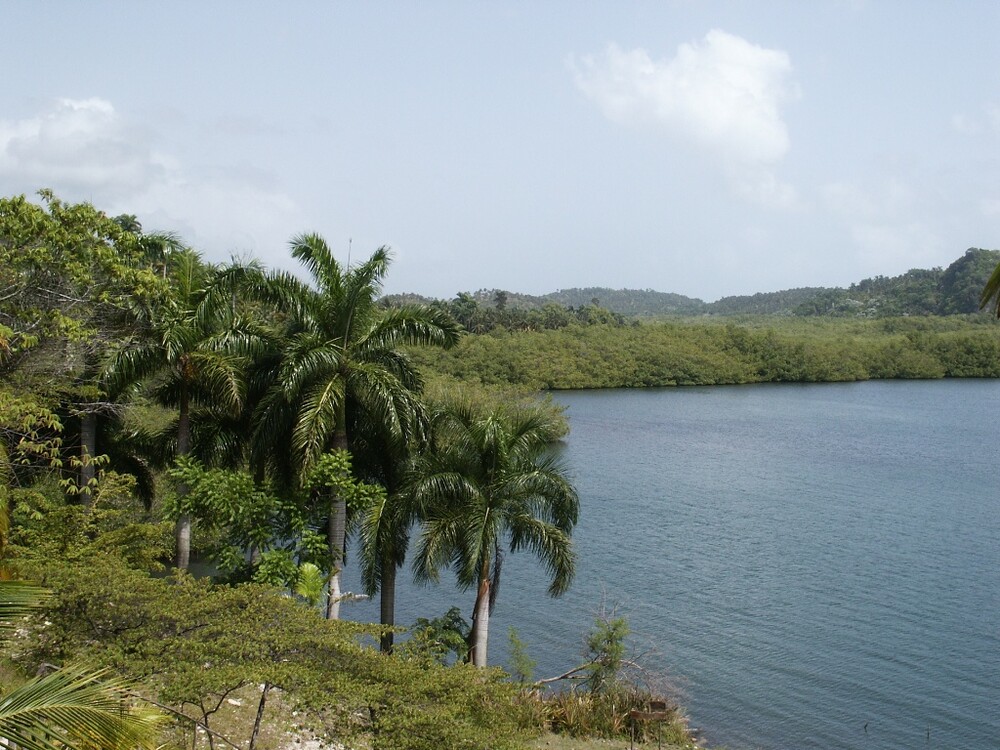
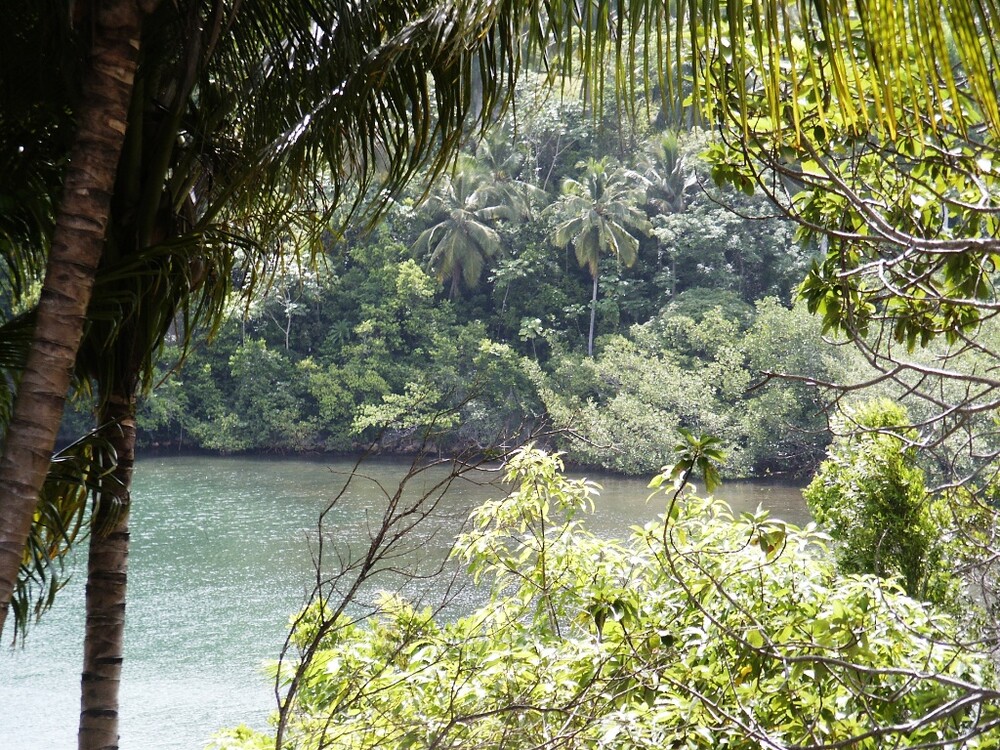
Twenty-five years ago, UNESCO recognized the exceptional value of Alejandro de Humboldt National Park by declaring it a World Heritage Site. Located in eastern Cuba, between the provinces of Holguín and Guantánamo, this natural sanctuary is considered the most important protected area in the insular Caribbean and one of the most biodiverse places in the Western Hemisphere.
Declared a World Heritage Site by UNESCO in December 2001 during the 25th session of the World Heritage Committee, the inscription was officially completed on December 13, 2001, based on natural criteria related to ecological processes and the conservation of biodiversity.
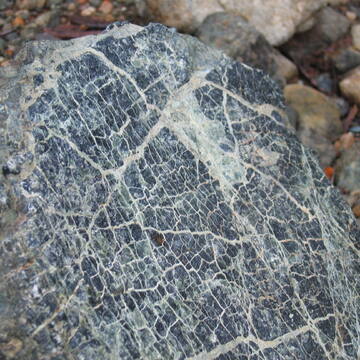
Its uniqueness lies in a unique combination of geological, climatic and biological factors. Much of its territory rests on ancient ultramafic rocks and serpentinites, soils rich in minerals toxic to many forms of life.
For millions of years, these extreme conditions forced plants and animals to evolve in isolation, giving rise to an extraordinary level of endemism. It is estimated that between 70 and 80 percent of the animal species present in the park are exclusive to this region, while almost a fifth of Cuba’s vascular plants find their main refuge here.
Among its most emblematic inhabitants is the Cuban solenodon (Solenodon cubanus), a true living fossil that has survived since prehistoric times. Nocturnal and possessing a rare, venomous saliva, this insectivorous mammal finds its largest and most stable population in the park’s forests. Various species of hutias, native rodents that are an essential part of the forest ecosystems of eastern Cuba, also inhabit the park.
The park’s birdlife is equally exceptional. The bee hummingbird (Mellisuga helenae), the smallest bird in the world, flits through its dense forests, while there is a remarkable abundance of the majestic Cuban trogon (Priotelus temnurus), Cuba’s national bird. The park is also one of the last known refuges of the Cuban kite (Chondrohierax wilsonii), one of the most endangered birds of prey on the planet. Scientists even maintain hope that the legendary Cuban royal woodpecker (Campephilus principalis bairdii), which is considered likely to be extinct, could live on in the most remote and inaccessible areas of the park.
An extraordinary corner of Cuba
The biodiversity of Alexander de Humboldt National Park is also evident in tiny but extraordinary creatures. The Monte Iberia dwarf frog (Eleutherodactylus iberia), discovered high up in the mountains, is among the smallest amphibians on the planet, measuring barely one centimeter in length.
It is joined by more than twenty species of Anolis lizards, which have evolved to inhabit different levels of the treetops, from the roots to the highest branches.
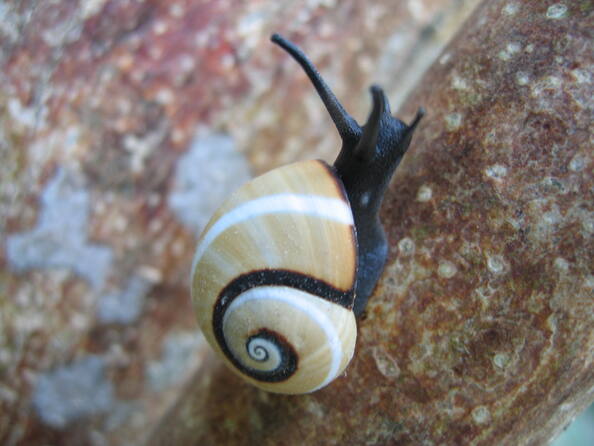
Among the invertebrates, the spectacular Polymita picta fuscolimbata stands out, considered by many experts to be the most beautiful land snail in the world. Its brilliant yellow, green, and reddish bands are one of the most representative symbols of Cuba’s natural wealth.
As for the flora, the park is home to around 595 endemic plant species, including the extremely rare Shafera platyphylla, a true living fossil that exists only within its boundaries. Also noteworthy are the Moa dragon tree (Dracaena cubensis) and the unique Pinguicula lignicola, a carnivorous plant that grows on tree trunks and bark in the wetter areas of the forest.
Twenty-five years after its recognition by UNESCO, to visit Alejandro de Humboldt National Park is to delve into one of the most extraordinary corners of Cuba and discover a world where evolution has written some of its most fascinating chapters.