The Museum of Cuban Art in Topes de Collantes: Art in the mountains
A tour allows visitors to appreciate paintings, sculptures, engravings, ceramics and other works of art
Posted by Sol de Cuba, 03/08/2026
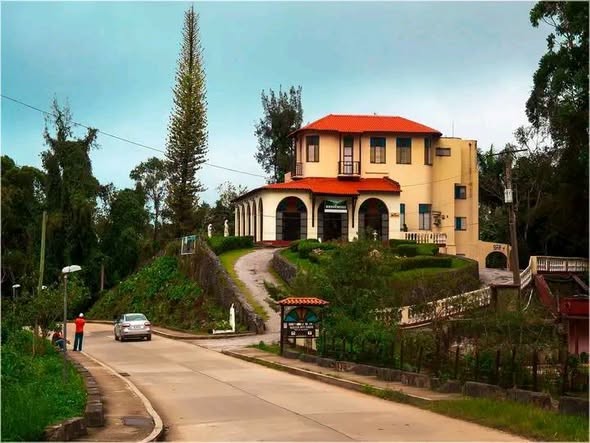
Nestled in one of Cuba’s most beautiful natural landscapes, where the mountains of the Guamuhaya massif are home to forests, waterfalls and exceptional biodiversity, the Museum of Cuban Art in Topes de Collantes is another treasure of this Cuban destination.
Located in the province of Sancti Spíritus, the museum invites visitors to discover a world of creativity, history and tradition that complements the region’s ecological richness. Its galleries house a valuable collection of works that reflect the evolution of Cuban visual arts and the nation’s cultural identity.
A tour allows visitors to appreciate paintings, sculptures, engravings, ceramics and other works of art created by leading Cuban figures. Each piece offers a glimpse into the different stages of the country’s artistic development, while also expressing the roots, customs and sensibilities of the Cuban people.
More than just an exhibition space, the Museum of Cuban Art serves as a meeting point between culture and nature. Its privileged setting transforms a visit into an experience where art engages in a dialogue with the mountainous landscape and the tranquility that characterizes Topes de Collantes.
This unique cultural enclave enriches the destination’s tourism offerings, which are widely known for attractions such as the Topes de Collantes Natural Park, its nature trails, overlooks, waterfalls, and the pleasant mountain climate that attracts domestic and international travelers year-round.
The building that now houses the Topes de Collantes Museum of Cuban Art has origins closely tied to the development of this mountainous enclave during the first half of the 20th century.
The house was built in the late 1930s, when the government of Fulgencio Batista launched an ambitious project to transform Topes de Collantes into an exclusive mountain resort. The region, located about 800 meters above sea level in the Sierra del Escambray, was prized for its cool climate and exceptional scenic beauty.
Consequently, the building was designed as a vacation home or mountain chalet, following the architectural style characteristic of several structures built in Topes de Collantes during that period. These buildings combined rustic-style influences with materials such as stone and wood, along with large windows, to blend into the natural surroundings.
Following the triumph of the Cuban Revolution in 1959, the property was transferred to the state and repurposed for new cultural uses. Over time, the house was restored and adapted to become the Museum of Cuban Art.
Today, it houses works by renowned Cuban artists of the 20th and 21st centuries, including paintings, sculptures, prints and ceramics