Guamuhaya National Geopark advances in sustainable management
At the Topes de Collantes Tourist Complex, authorities, experts and local tourism operators shared experiences and knowledge in pursuit of a management model that combines conservation and development
Posted by Daily Pérez Guillén, 21/09/2026
Photos: Yoel de la Paz López
The workshop “Toward the Integrated Management of the Guamuhaya National Geopark” concluded with the initial proposal for a unified, integrated management plan. This plan is intended to serve as a roadmap for the management and recognition of the area, which spans the provinces of Villa Clara, Cienfuegos and Sancti Spíritus.
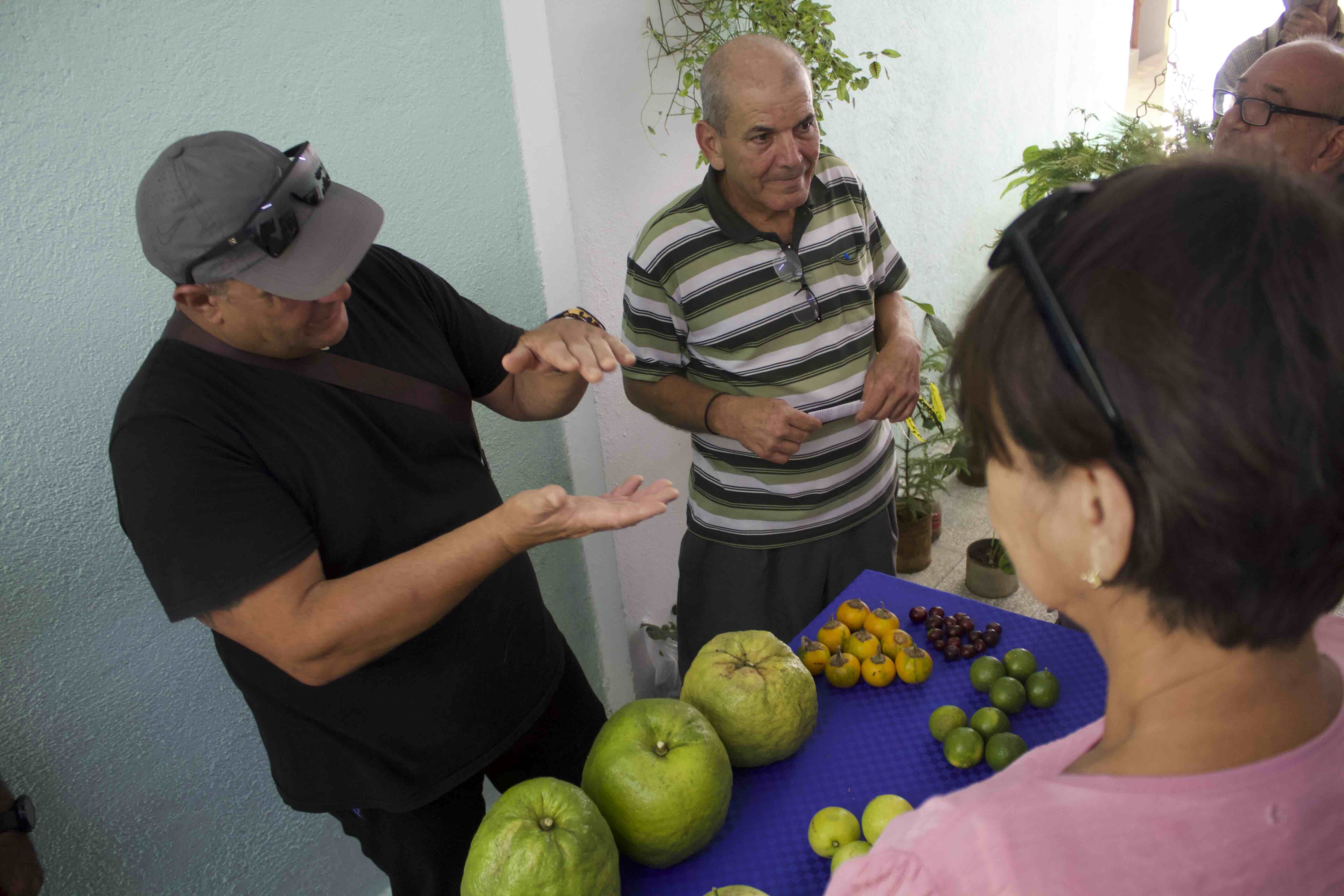
At the Topes de Collantes Tourist Complex, authorities, experts, and local tourism operators—for the first time—shared experiences and knowledge in search of a management model that combines conservation and development. The goal is to safeguard the area’s geological heritage without sacrificing the socioeconomic progress of local communities, all through sustainable and responsible tourism.
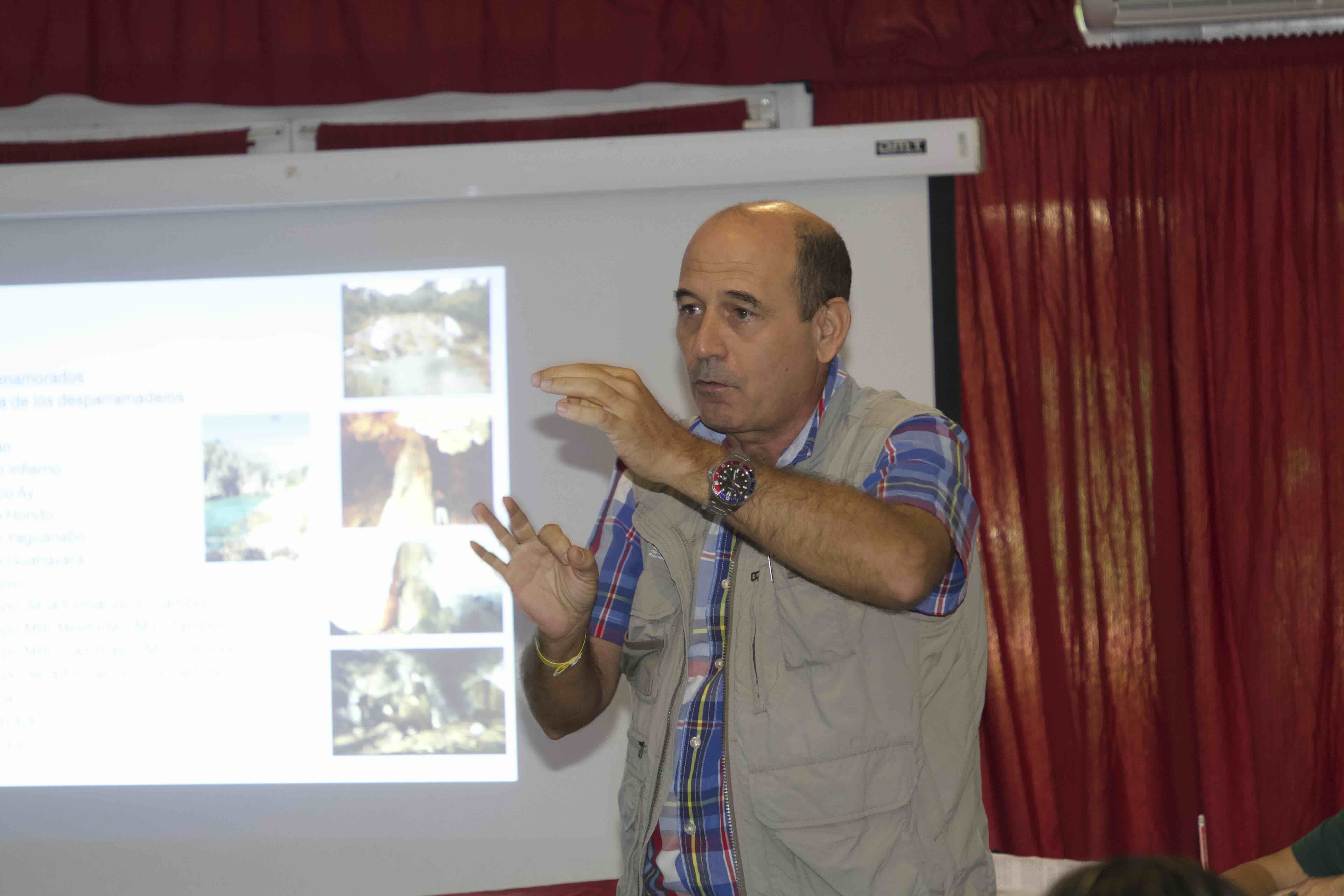
Speaking to the press, Dr. Enrique Castellanos Abella, director of Geology at the Ministry of Energy and Mines, discussed the unique characteristics of this site—the most geologically complex of the three areas granted this status by Cuba’s Council of Ministers.
Castellanos highlighted the geological curiosities and distinctive features of this mountain massif, noting that they extend far beyond its scenic beauty.
“This area is a key piece in the geological evolution of the Caribbean and the connection between North and South America, as well as in the continental breakup that occurred when Pangea separated,” he explained.
Among the site’s most significant attributes, he highlighted the presence of metamorphic rocks located at the core of the highlands—rocks that are not found in other regions of Cuba. “They are part of the Earth’s mantle and crust—meaning they originate from great depths. At some point in their evolution, they were brought up from beneath the Earth, exposed at the surface, and uplifted through compression mechanisms. Consequently, we find minerals here that are rarely seen elsewhere in the country—such as eclogites—which are among the most prized geological specimens in the nation.”
The doctor explained that these minerals are highly sought after by geologists and researchers studying Earth’s evolution, as they allow for the dating of the rocks themselves.
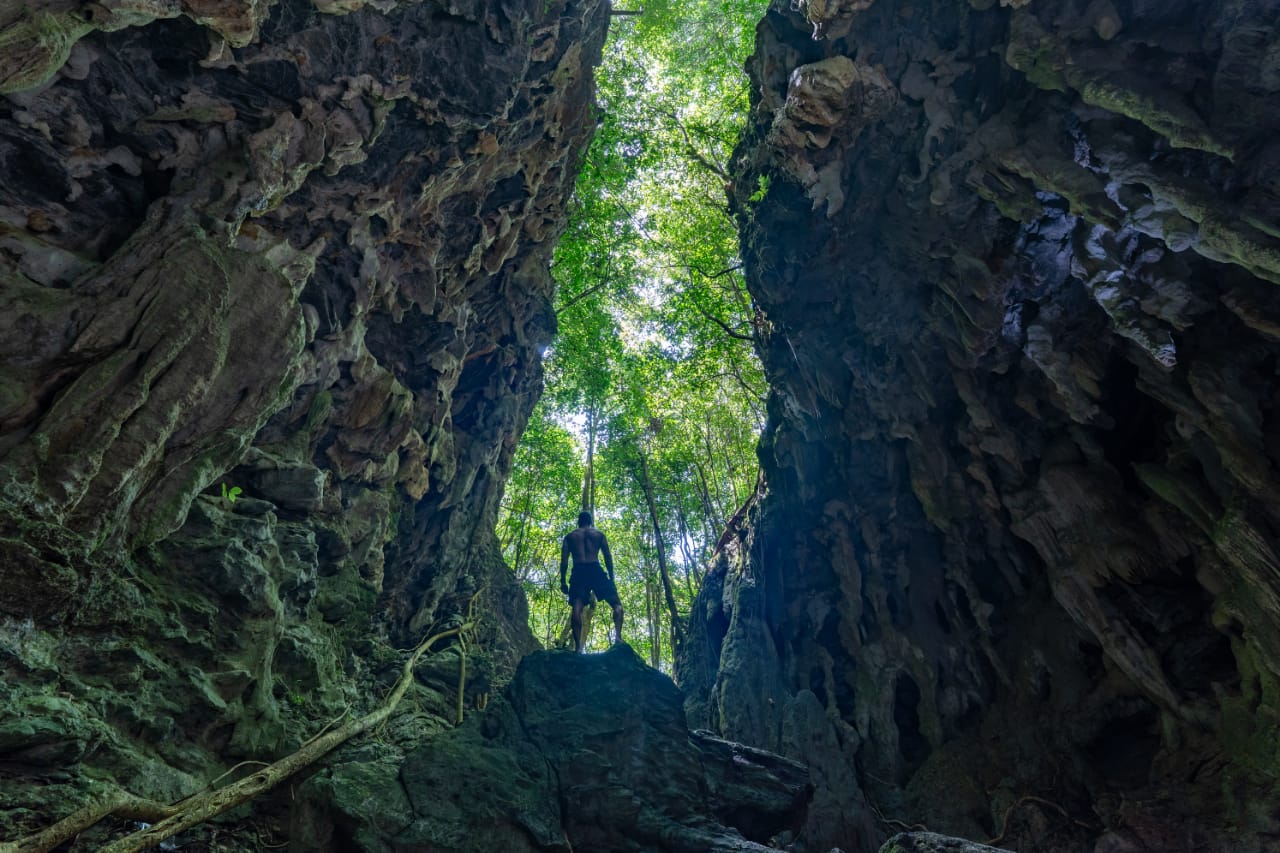
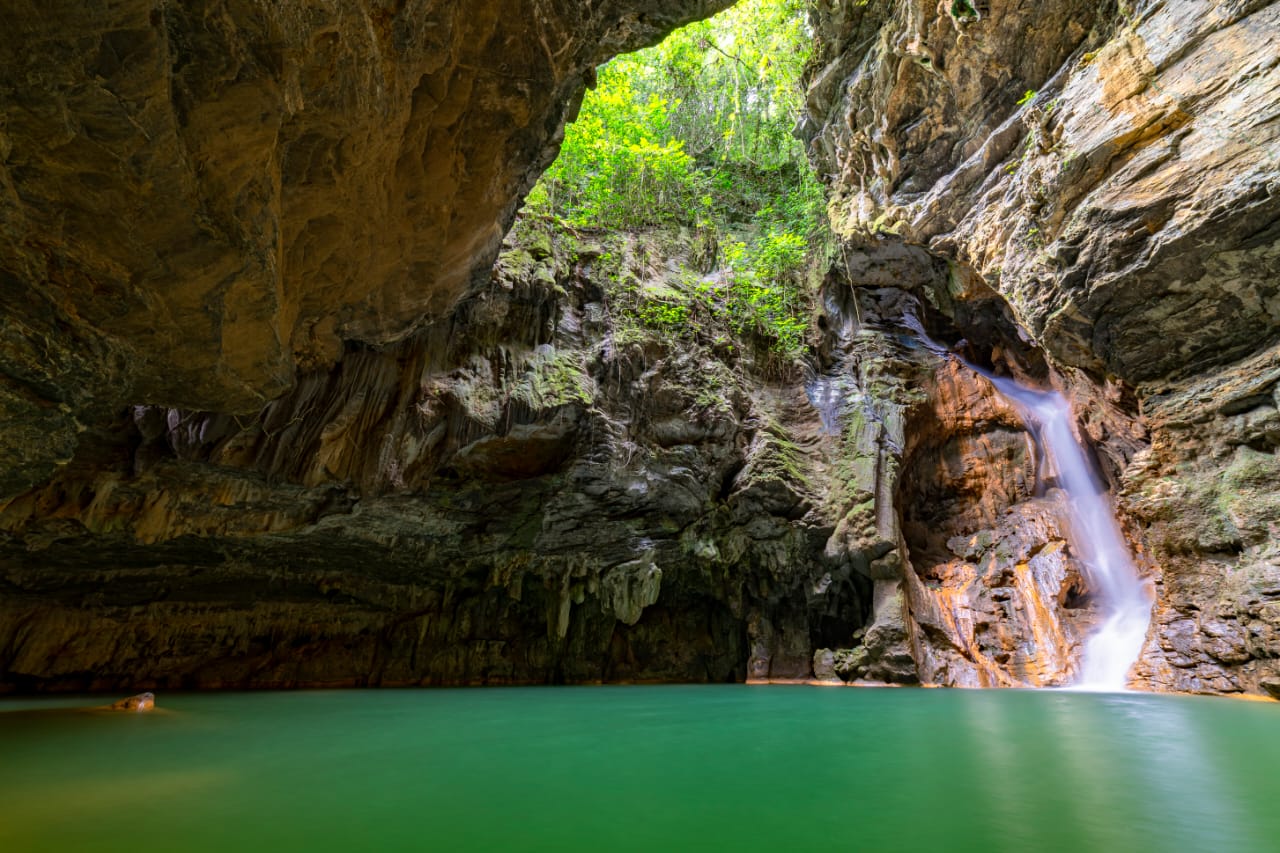
“Other types of rock—sedimentary, for instance—are also found in the Guamuhaya mountains. This is why we have vast caverns and carbonate rock formations here, including caves that house massive stalagmites—such as the one in Martín Infierno Cave, considered the second-largest in the world. Yet, what is truly remarkable is not just its size but its elevation; the compression process was so intense that it uplifted the entire area,” he detailed.
The geologist also noted that one of Cuba’s major topographical peaks—Pico San Juan—is located here; it is the highest point between the Guanahacabibes Peninsula and the Sierra Maestra range.
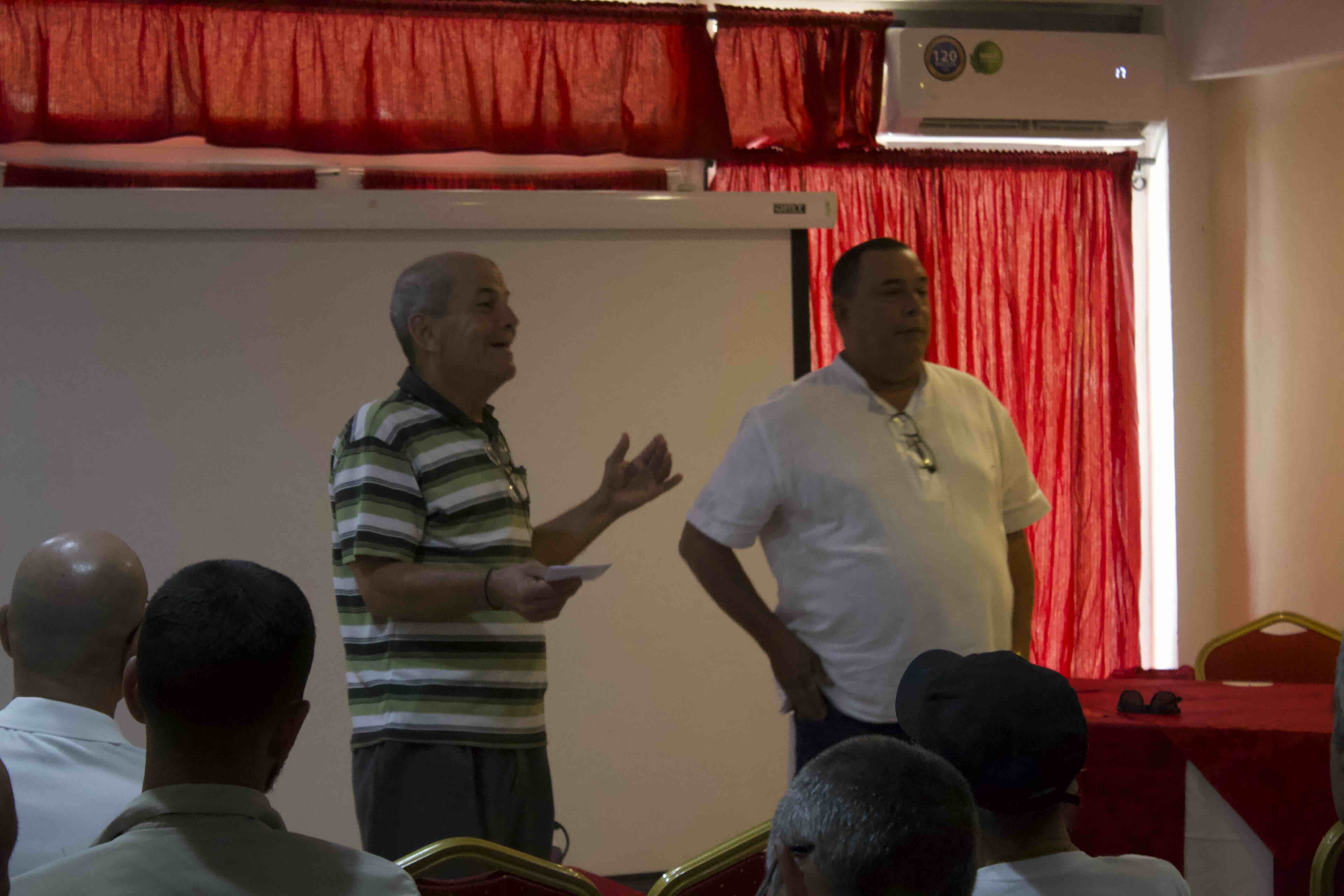
Meanwhile, José Oriol—founder and director of the Teatro de Los Elementos theater group—proposed during the workshop’s opening session that the agreements include a plan to disseminate this knowledge through the educational and cultural systems.
“Otherwise, people will remain unaware of this conceptual and heritage-related wealth—riches that we often unknowingly trample underfoot,” he asserted.
Ángel Luis Camacho, serving in the dual capacity of director general of the Topes de Collantes Tourism Complex and the Guamuhaya National Geopark, discussed the structural and functional design required to ensure the site’s operational success and global recognition. The Guamuhaya National Geopark spans the provinces of Cienfuegos, Villa Clara and Sancti Spíritus, covering a total area of 2,143 square kilometers and featuring 50 identified geological sites—seven of which are of international significance and nine of national significance.
In 2001, the Council of Ministers of Cuba designated Viñales as the country’s first national geopark, and in 2024, it added Gran Piedra, located in the eastern part of the island.
Cuba is actively supporting the bid for Viñales to become a UNESCO Global Geopark. The nomination dossier entered the international body’s evaluation process in 2026.
UNESCO experts have already conducted a field visit to Viñales and acknowledged the exceptional nature of its karst landscapes and its geological sites of national and international importance. If approved, it would become the first UNESCO Global Geopark in the Caribbean.
In line with the philosophy of this United Nations organization, the core mission of these sites in Cuba is to “celebrate geological heritage and promote the sustainable development of communities.”
UNESCO recognition of a site as a Global Geopark is significant because it confers a seal of international excellence—combining the conservation of geological heritage with the socioeconomic development of local communities—and places it on the global map of sustainable tourism.