Cuba’s first agritourism network unleashes its potential in Pinar del Río
The initiative brings together 18 farms from six municipalities
Posted by Sol de Cuba, 27/08/2026
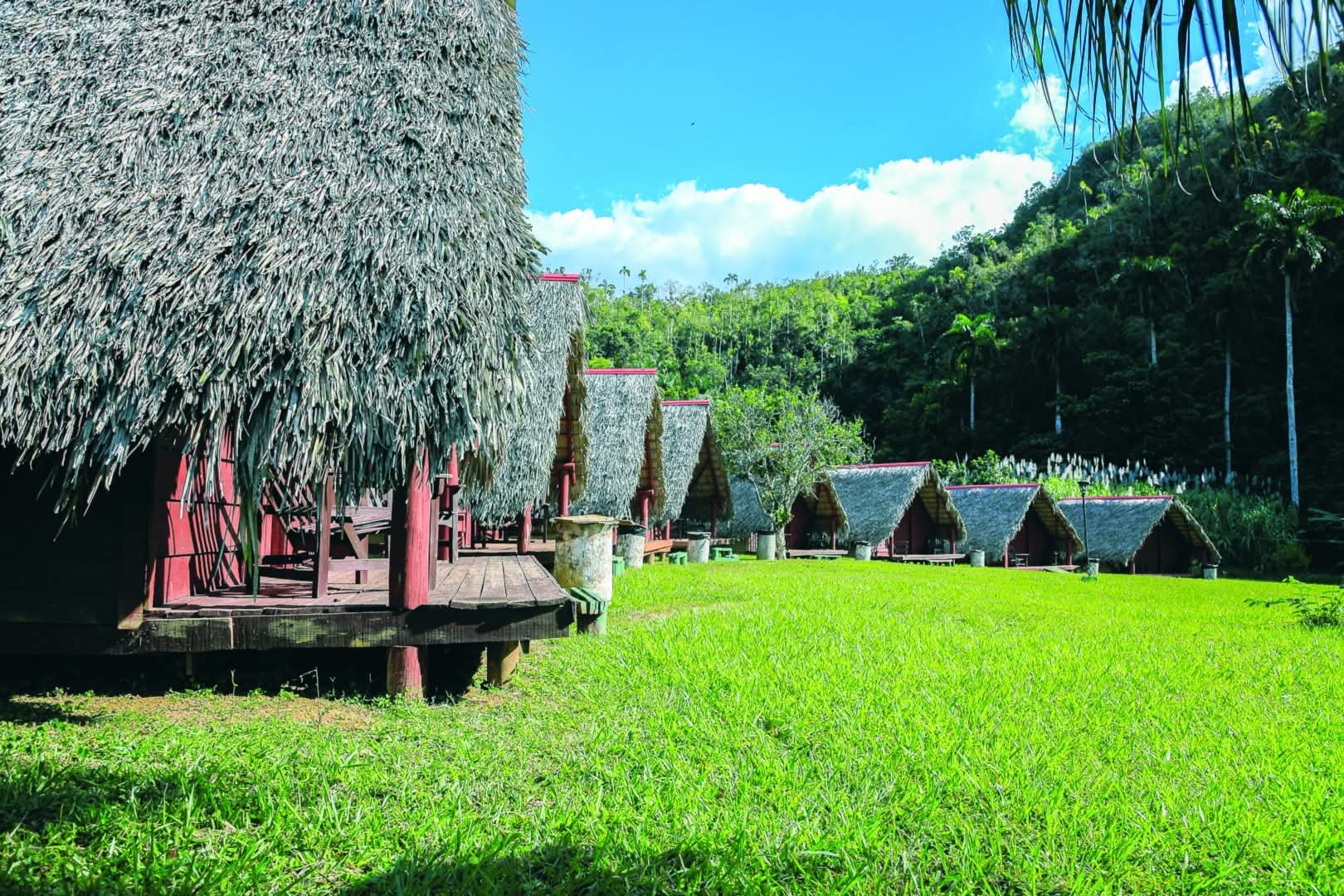
Photos: Pinar del Río Travel
Pinar del Río has established Cuba’s first agrotourism network, an initiative that aims to integrate the region’s natural, cultural, and productive assets into new offerings for visitors.
In its initial phase, the project brings together 18 farms dedicated primarily to tobacco cultivation, livestock raising, and various crops, according to a report by the Cuban News Agency, which also noted that the network serves as an alternative for producers to generate supplemental income while, at the same time, showcasing the unique aspects of rural life in Pinar del Río in an organized manner.
Jorge Freddy Ramírez, a senior specialist with the provincial government’s Territorial Development Directorate, explained that Vueltabajo preserves traditions passed down through generations. Among the main attractions, he mentioned rural ways of life, agricultural techniques, animal husbandry, and a cuisine based on products that go directly from the farm to the table, as reported by Prensa Latina.
According to the official, offering these services individually does not always meet the demands of the tourism market. For this reason, the network seeks to coordinate different offerings among the farms so that visitors can enjoy more comprehensive and varied experiences.
The initiative initially brings together 18 farms from six municipalities. The participating entities have received training with the support of the United Nations Development Program (UNDP). In addition, the call for participation remains open to new initiatives that meet the established requirements, including preserving the region’s traditional agricultural and livestock practices.
The network’s formation involves the participation of the provincial delegations of Agriculture and Tourism, the Ministry of Science, Technology, and the Environment, the Hermanos Saíz Montes de Oca University, and the Directorate of Territorial Development.
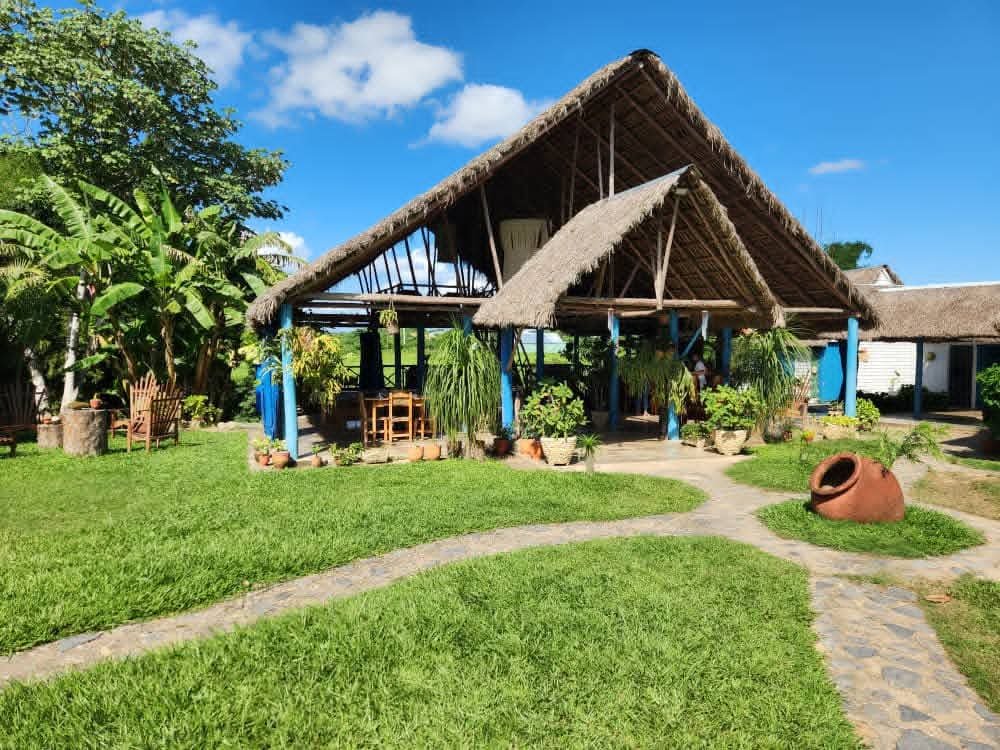
What international criteria support an agritourism network?
Agritourism, considered a form of rural tourism, allows visitors to experience farm work firsthand and participate in traditional practices. For Pinar del Río, the challenge lies in preserving this heritage while also integrating it into promotional and marketing initiatives capable of generating benefits for local communities.
Since 2018, the activities of this project have made it possible to design environmental financial solutions in Cuba’s non-state sector, such as an ecosystem-based microfinance initiative for adaptation and an agritourism solution at two pilot sites in the province of Pinar del Río, implemented by UNEP and UNDP, respectively.
UNDP defines an agritourism network as an organized collaboration among farms, producers, institutions, and local stakeholders who work together to offer tourism experiences linked to agricultural activities and rural life.
In the case of Pinar del Río, this means integrating several farms—dedicated to tobacco, livestock, and various crops—into a single offering, rather than promoting them in isolation. Each establishment can provide a distinct experience, such as learning about farming techniques, participating in animal husbandry, touring plantations, or enjoying locally produced food.
According to the UNDP, the network also involves:
- preserving agricultural and livestock traditions;
- protecting the territory’s natural and cultural values;
- training producers;
- coordinating the promotion and marketing of products;
- generating additional income for rural families and communities.
The project thus becomes a cooperative framework that transforms traditional agricultural practices into an integrated, sustainable tourism product that benefits local developme