Caribbean Wellness Day: A destination every traveler dreams olf
Photo: B TRAVEL The Caribbean is the ultimate prize—a magnet for pleasure. For travelers, it is synonymous with the perfect[…]
Posted by Sol de Cuba, 21/09/2026
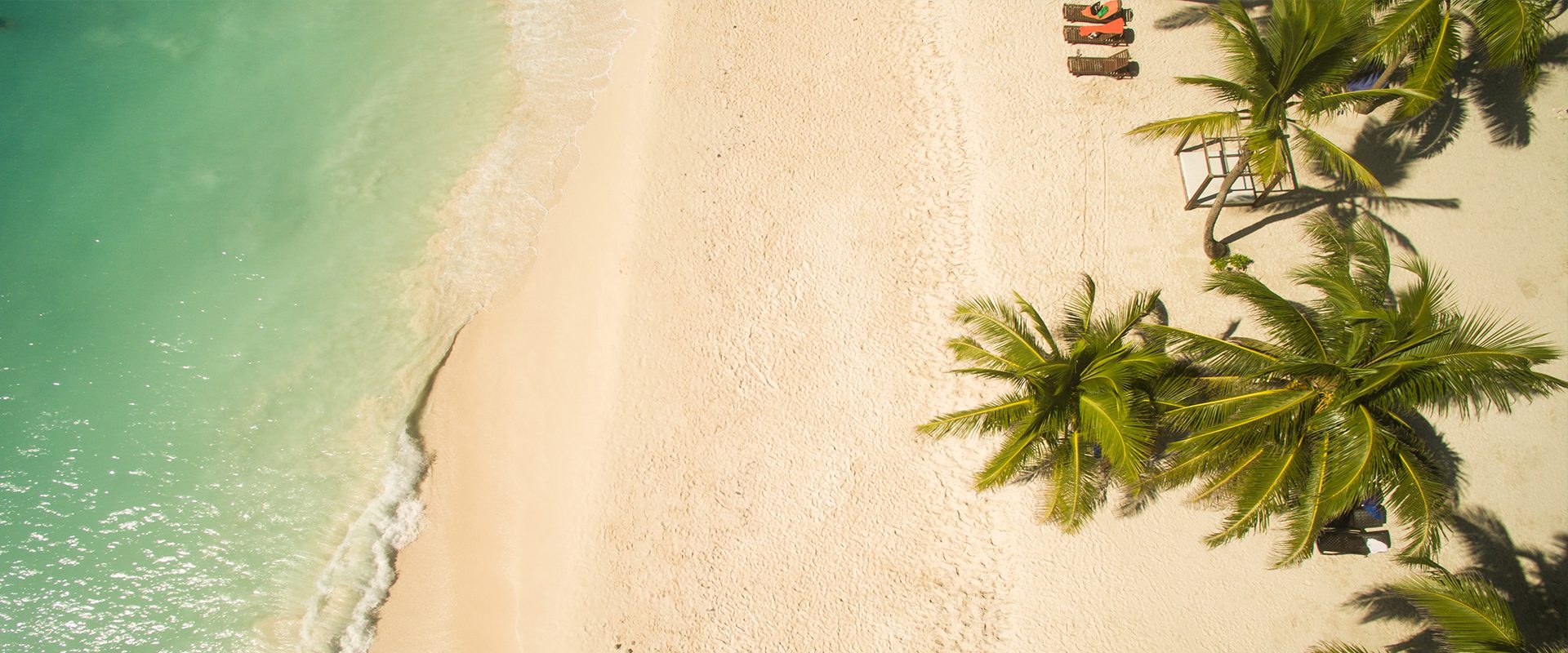
Photo: B TRAVEL
The Caribbean is the ultimate prize—a magnet for pleasure. For travelers, it is synonymous with the perfect “vacation” when choosing that one destination they simply must visit.
A region globally renowned across multiple sectors—thanks to a blend of historical, geographical, and cultural factors that have shaped its identity and appeal over the centuries—the Caribbean celebrates Caribbean Wellness Day on September 13. First proposed in 2007 by the Caribbean Community (CARICOM), the day aims to raise public awareness regarding the importance of prevention in maintaining a healthy lifestyle.
Since 2011, communities across the hemisphere have participated in this regional initiative through activities ranging from walks and bike rides to healthy food fairs.
Inspired by this observance, the Pan American Health Organization (PAHO) established “Wellness Week in the Americas.” This initiative incorporates Caribbean Wellness Day and promotes its principles throughout the Region of the Americas, according to the PAHO website.
THE CARIBBEAN EFFECT
Since the arrival of Christopher Columbus in 1492, the Caribbean has been a pivotal hub for European expansion in the Americas. Spanish colonization, followed by the influence of powers such as France, England, the Netherlands, and Denmark, created a cultural mosaic of immense richness and diversity. This historical process not only established vital trade routes but also fostered cultural mixing, giving rise to multicultural societies with their own unique traditions. However, the history of the Caribbean is not one of peace; rather, it is marked by the resistance of its indigenous peoples, the struggle against slavery, and independence movements—aspects that shape its current identity and intangible cultural heritage.
Geographically, the region comprises an extensive archipelago of islands and mainland coasts washed by the Caribbean Sea, areas that are now major tourist attractions.
Its ecological diversity—encompassing coral reefs, tropical rainforests, and marine ecosystems—has attracted scientists, ecotourists, and international organizations focused on environmental conservation and sustainable development.
Thanks to this blend of history and geography, the Caribbean has established itself in sectors such as tourism, culture, the economy, and science; tourism is undoubtedly the primary driver, drawing millions of annual visitors in search of idyllic beaches, traditional festivities, and historical heritage.
Caribbean music, cuisine, and artistic expressions lend the region a cultural value that transcends borders.