Cabarrocas Castle, Matanzas, and the unknown story of a Cuban genius
Amid numerous legends, Cabarrocas has stood the test of time
Posted by Sol de Cuba, 22/08/2026
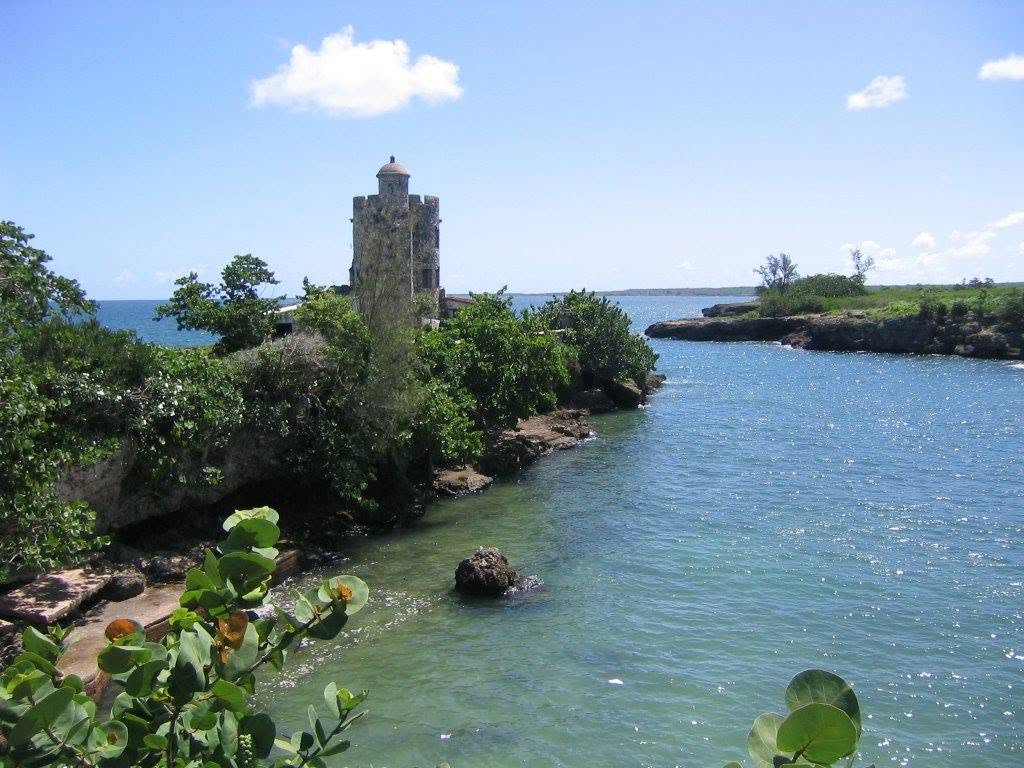
Along the highway leading to the beaches of Varadero stands an unusual structure under the Caribbean sun: Cabarrocas Castle. The structure is considered a little-known part of the legacy of Félix Cabarrocas Ayala, one of the most important Cuban architects of the 20th century.
Amid rocks and numerous legends, Cabarrocas Castle has stood the test of time with the dignity of a fortress since it was built in the first half of the 20th century on rocky terrain near the mouth of the Buey Vaca River.
Its majestic stone tower dominates the coastal landscape; its medieval appearance sparks the imagination of both locals and visitors alike, and its staircases carved into the rock lead to passages—no longer so secret—that open onto pools hidden from the casual observer. These natural pools, the stone staircases, and the arches evoke the era of medieval castles.
Castillo Cabarrocas represents an intimate and personal project within the architect’s monumental career. In it, he fused architecture, sculpture, and landscape. Historical documents and photographs reveal that the surrounding grounds are home to a sculptural stele created by Cabarrocas himself, highlighting the artistic and symbolic character with which he conceived this unique place.
THE ARCHITECT’S TOUCH: FÉLIX CABARROCAS AYALA
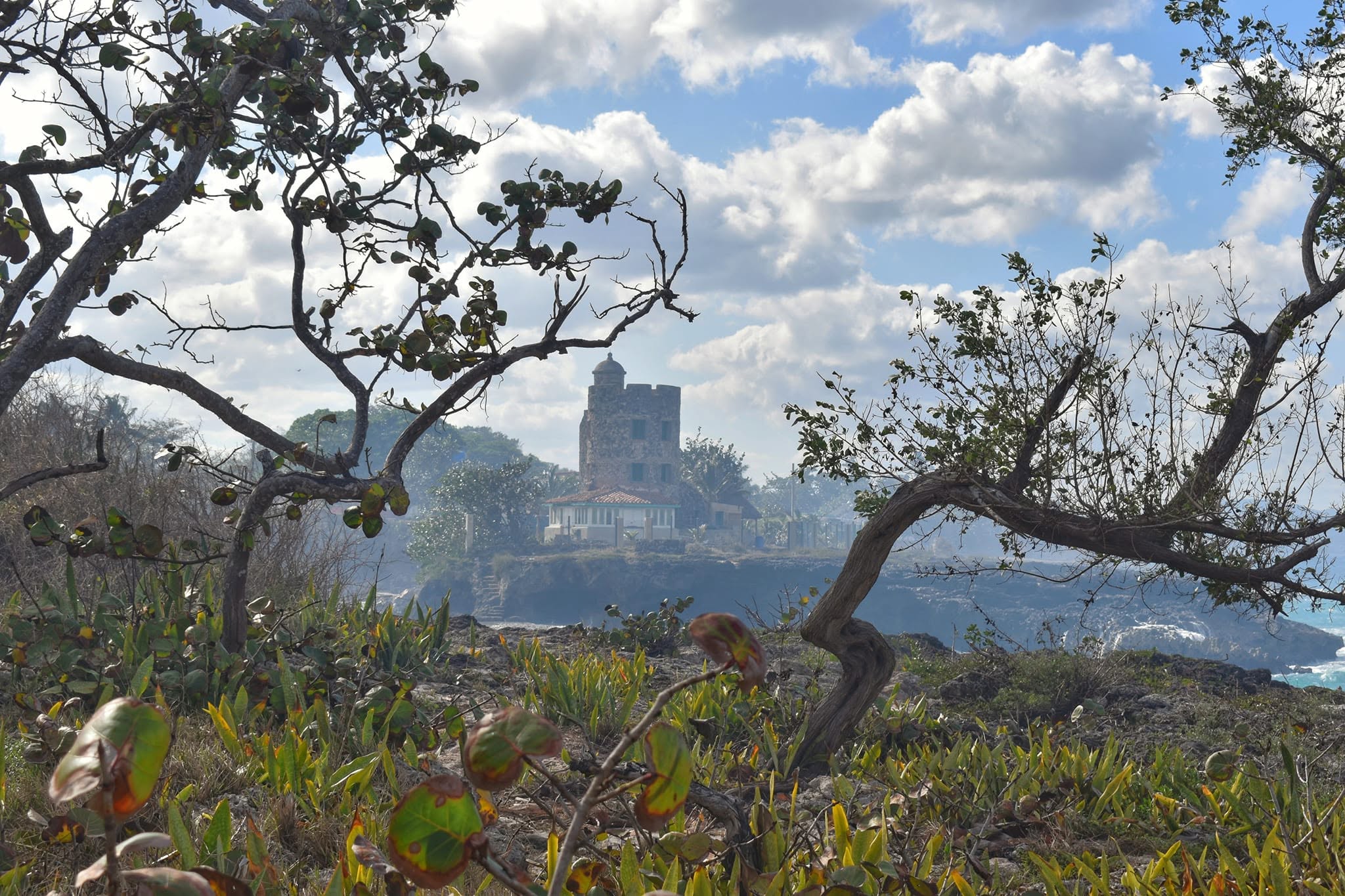
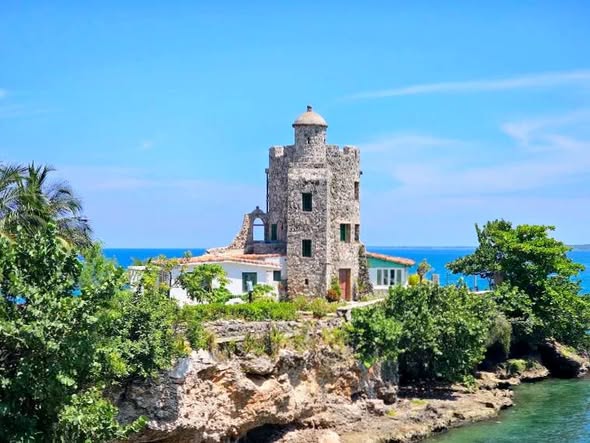
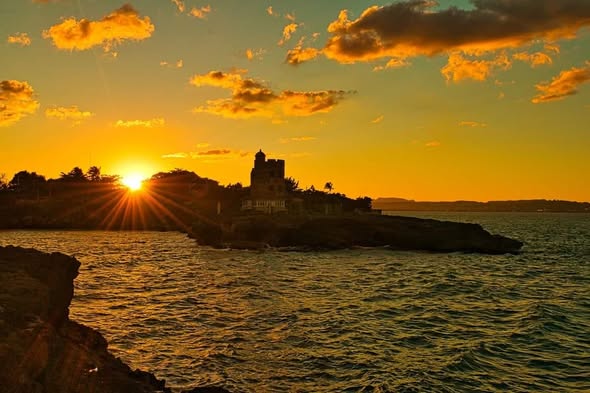
Photos: Maritza Soler / Cuba Travel Facebook Group
Félix Cabarrocas Ayala (1887–1961), an architect from Santa Clara, was a leading figure in architecture, sculpture, and drawing on the island. A 1910 graduate of the University of Havana and an honorary member of the National Academy of Arts and Letters since 1947, he co-founded—alongside Evelio Govantes—the renowned Govantes y Cabarrocas firm, which played a key role in the construction of iconic buildings such as the Cuban National Capitol and the Freyre de Andrade General Hospital.
Following in the footsteps of Govantes and Cabarrocas would take us to surprising places across the country boasting their innovative designs. There is, for example, the Ludgardita working-class neighborhood in the Rancho Boyeros industrial area, near José Martí International Airport—the first project of its kind built in Latin America. It included everything a working-class community needed to sustain daily life: housing, a daycare center, schools, a hospital, a theater, and other essential facilities.
A subsequent stop on the tour could be the Plaza Cívica—now the José Martí Revolution Square—and the José Martí National Library, whose main entrance showcases the grandeur of international culture.
They also contributed to the design of the imposing building that today houses the Ministry of the Revolutionary Armed Forces (MINFAR), the Faculty of Arts and Letters at the University of Havana, and the Pedro Borrás Children’s Hospital.
Examples of their art can also be found throughout the Cuban capital, with some of the most notable located at the Hispanic-American Cultural Center, the Cristóbal Colón Necropolis, and Loma de San Juan in Santiago de Cuba.
References
Ziomara Lamelas, Facebook, “Cabbarroca (el Castillito) Matanzas Cuba,” January 2024.
CubaPLUS Magazine, “El misterioso Castillo Cabarrocas de Matanzas: la obra olvidada de uno de los grandes arquitectos de Cuba,” August 9, 2026. https://www.cubaplusmagazine.com/es/noticias/felix-cabarrocas-un-castillo-una-obra-contundente.html