Biosphere reserves in Cuba: Unique opportunities for ecotourism
Designated by UNESCO, these protected areas not only conserve biodiversity but also offer unique opportunities for ecotourism
Posted by Sol de Cuba, 28/10/2025
Fotos: Cubaniatravel.com
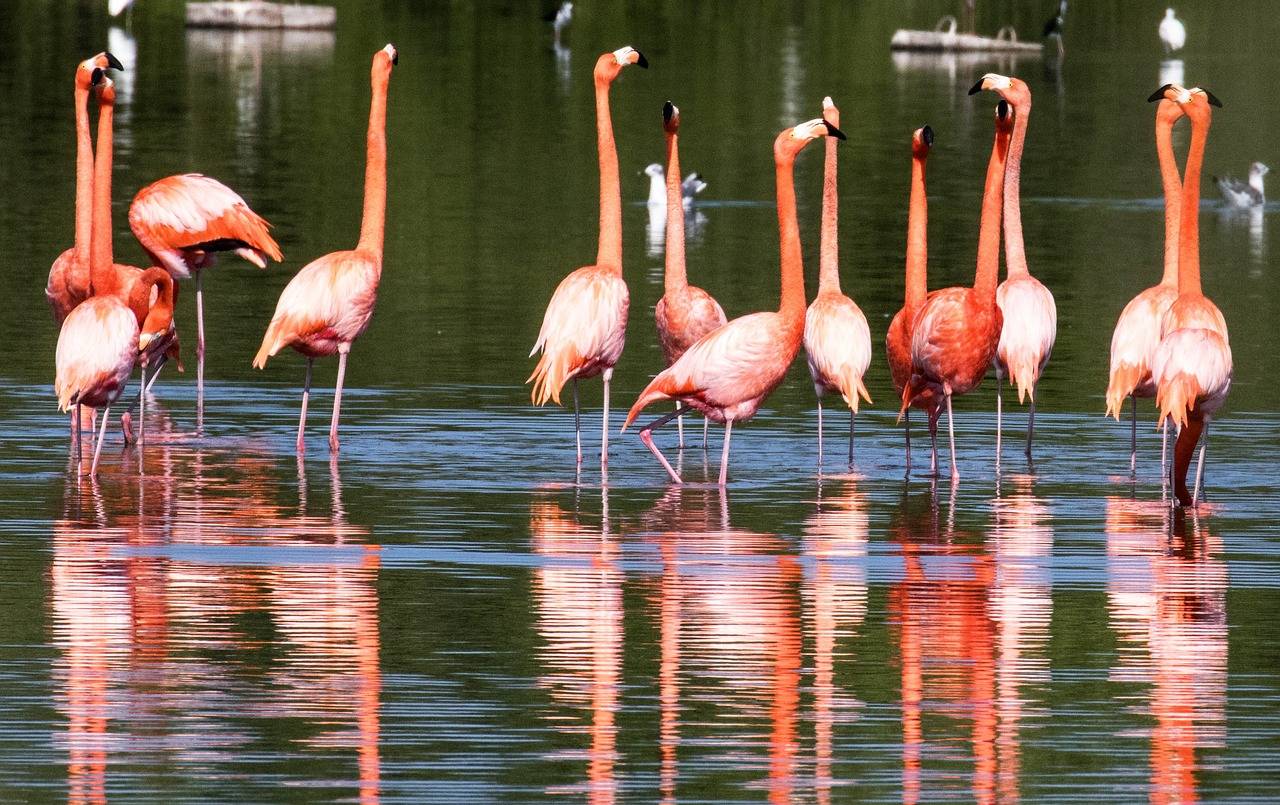
Biosphere reserves protect a wide variety of flora and fauna species, many of which are endemic or endangered. By preserving these ecosystems, the survival of vital species and the health of the environment are ensured, as these natural spaces help maintain ecological balance, regulating processes such as pollination, water purification, and pest control.
Cuba is home to impressive biosphere reserves. Designated by UNESCO, these protected areas not only conserve biodiversity but also offer unique opportunities for ecotourism.
The natural wealth of Cuba’s biosphere reserves
The island has seven recognized biosphere reserves. Their diverse ecosystems range from mountains to wetlands.
According to a study by the World Tourism Organization, in places like these, ecotourism can generate significant income and create jobs in rural areas. It also promotes environmental education and awareness about the importance of preserving ecosystems.
Baconao
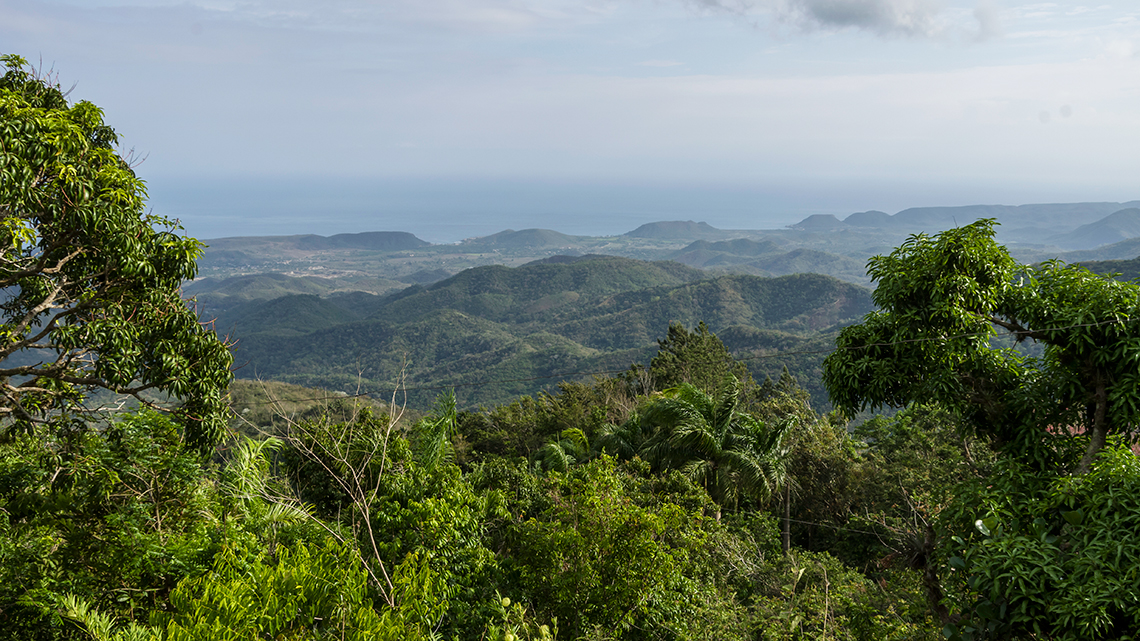
Located in the province of Santiago de Cuba, this reserve is famous for its biodiversity and unique geography. It is home to more than 1,200 plant species and a wide variety of fauna, including endemic birds.
Dedicate at least two days to explore its trails and enjoy the beach. Don’t miss the Peace Park and the Natural History Museum.
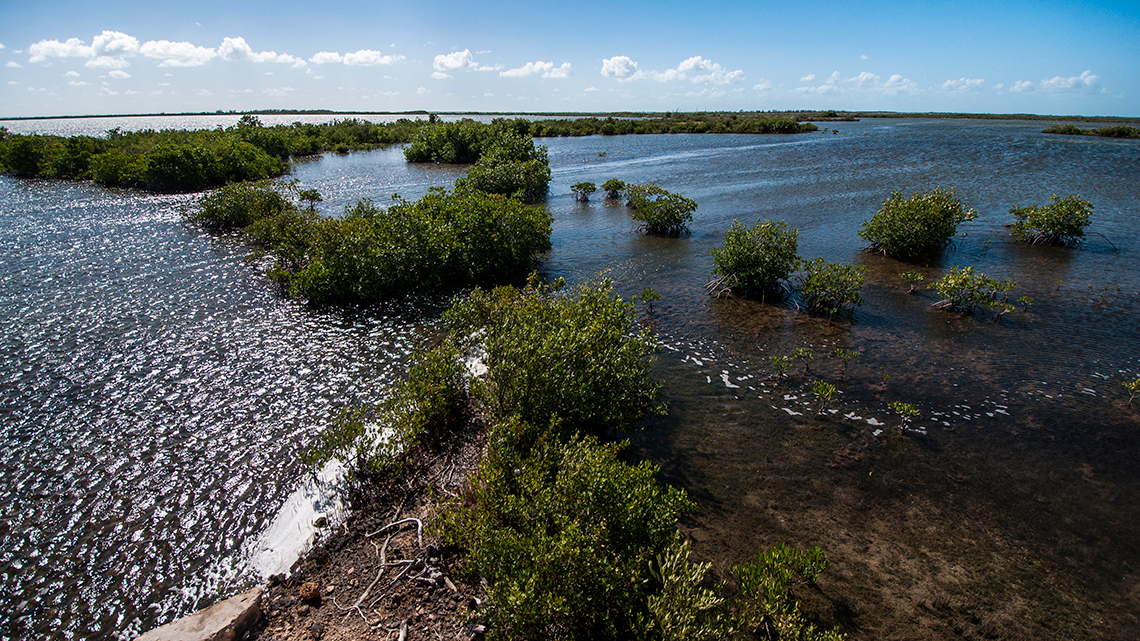
Ciénaga de Zapata
The largest wetland area in the Caribbean, this is a refuge for numerous species of birds, reptiles and mammals. It is ideal for birdwatching and exploring the rich flora.
A weekend is ideal for birdwatching and visiting Playa Larga. Consider a kayak tour through the mangroves.
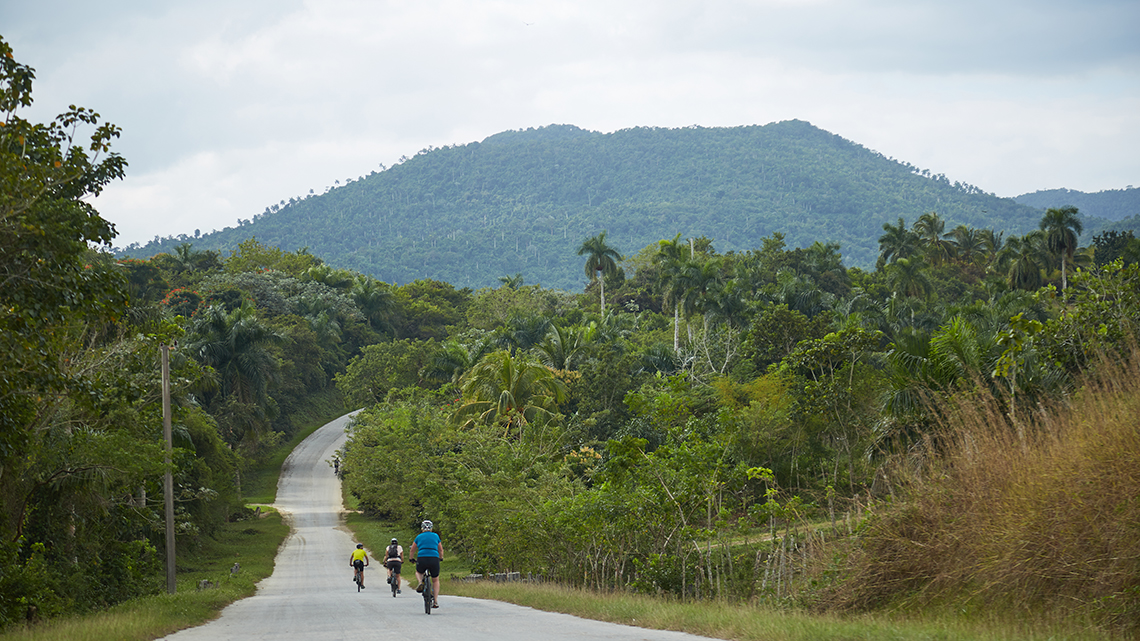
Sierra del Rosario
This area is known for its mist-covered mountains and biological diversity. Here you can find endangered species and a wide variety of orchids.
Plan a three-day excursion to explore the mountains and enjoy the biodiversity. Local guides can offer a more enriching experience.
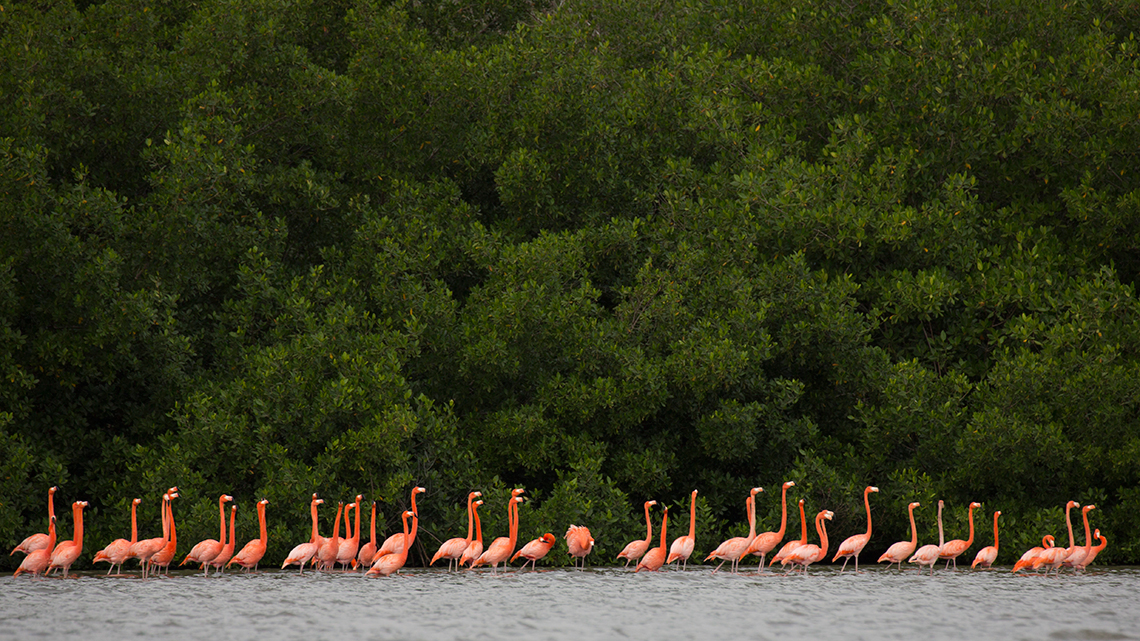
Guanahacabibes
This coastal reserve is a paradise for diving and marine wildlife enthusiasts. Its coral reefs and pristine beaches are an attraction for tourists seeking aquatic adventures.
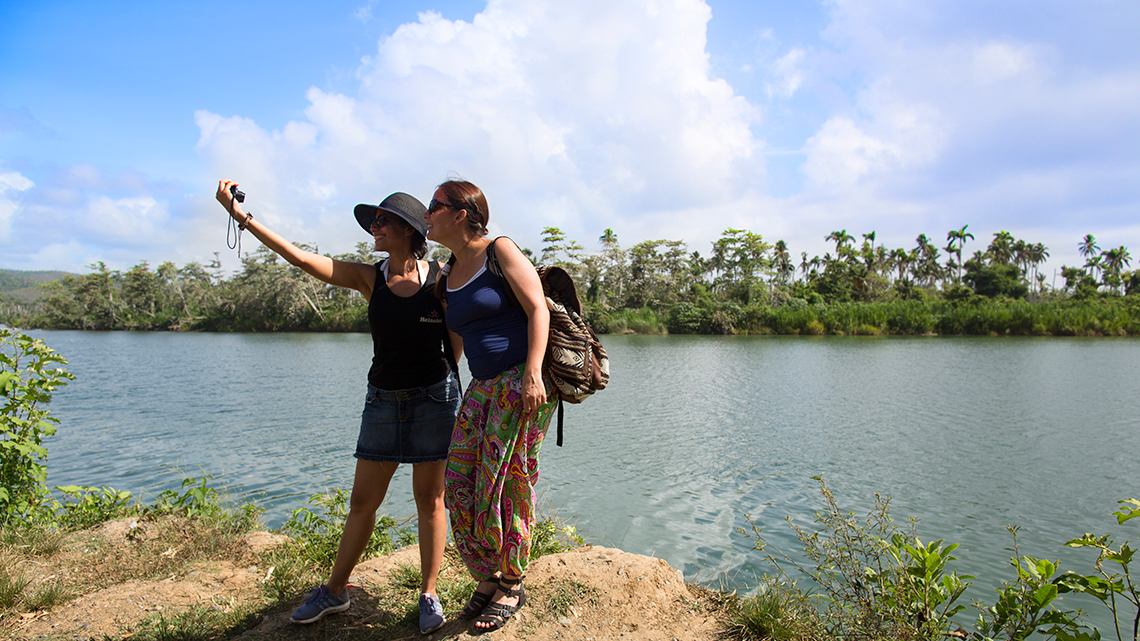
Cuchillas del Toa
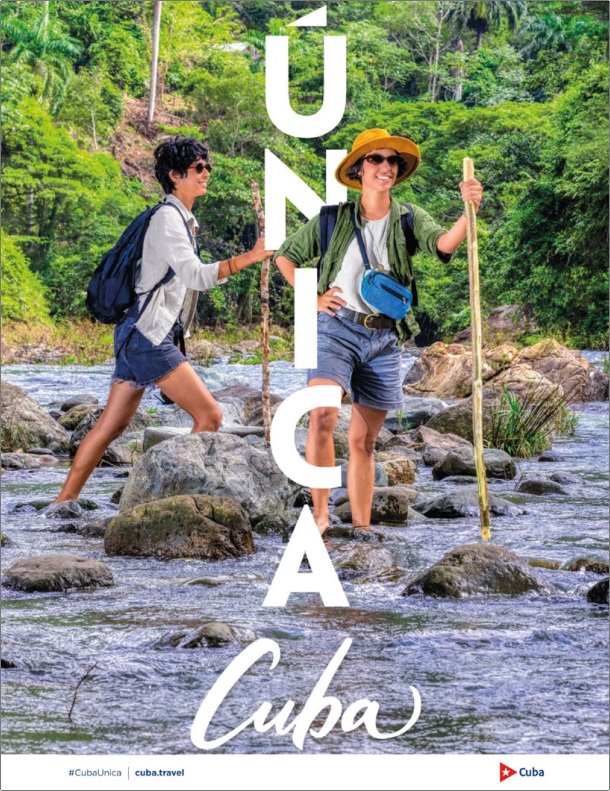
Renowned for its impressive biodiversity and landscapes, this reserve is home to one of the richest rainforests in the world. It is a perfect place for hiking and exploring nature.
Buenavista
Located in the north-central part of the Cuban archipelago, this reserve covers an area of 313,502 hectares, consisting of terrestrial, coastal and marine areas of high ecological sensitivity and biological diversity. It encompasses parts of the provinces of Villa Clara, Sancti Spiritus and Ciego de Ávila, including a section of the Sabana-Camagüey keys.
Safety tips
Always follow the instructions of local guides and respect conservation regulations.
Bring insect repellent and sunscreen, as some areas may be plagued by mosquitoes and intense sun.
Stay hydrated and bring drinking water, especially during hikes.
Interact with local communities to learn about their traditions and way of life. This enriches your experience and supports the local economy.
Try Cuban cuisine at family-run restaurants, where you can savor typical dishes made with fresh, local ingredients.
Respect local customs and participate in cultural activities, such as dances and festivals, which are often held in these areas.