Rurality: Harmony and nature in a single destination
Ecotur to hold Turnat 2026 on the Zapata Peninsula
Posted by Bárbara Vasallo, 30/12/2025
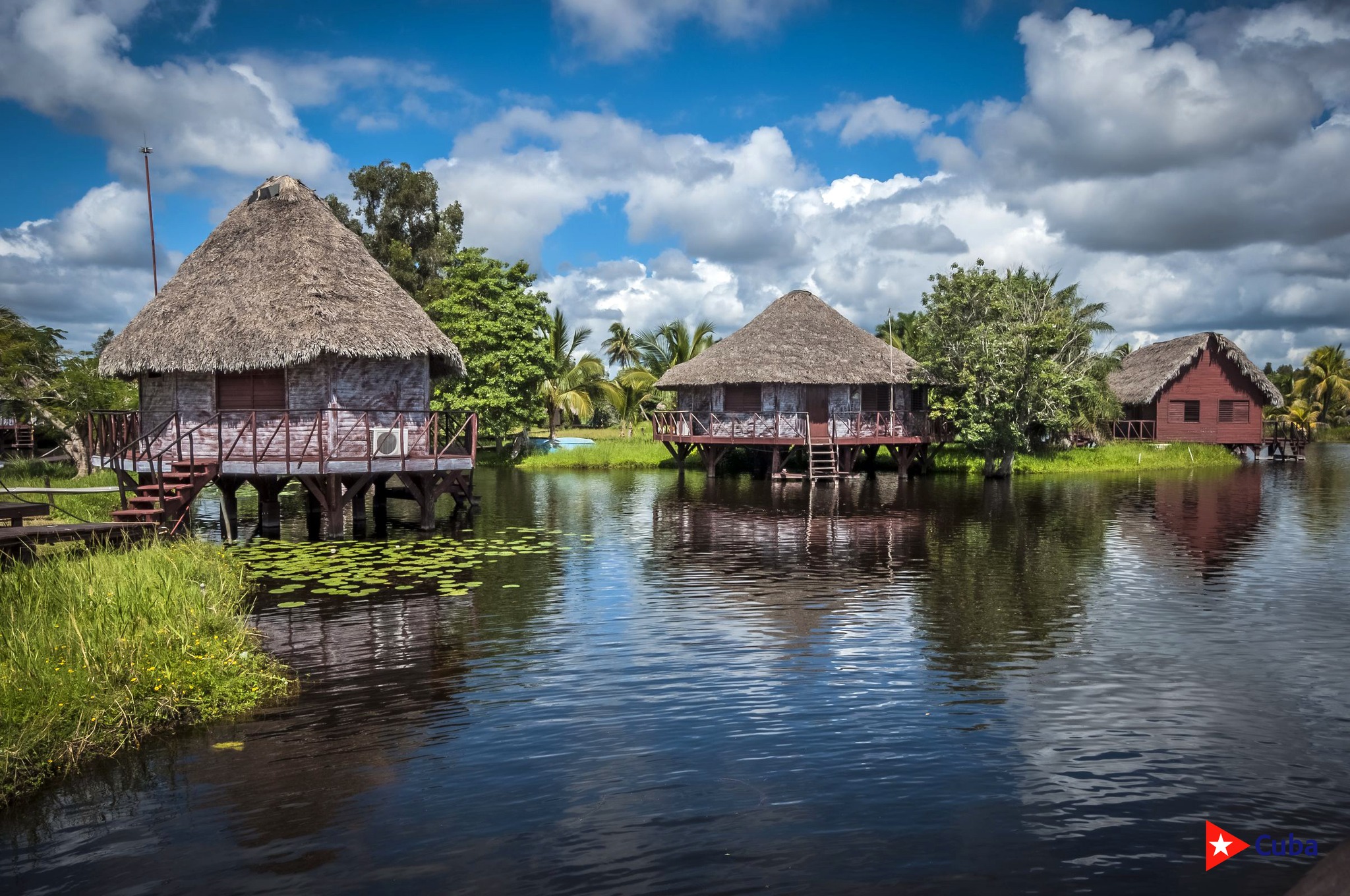
Ciénaga de Zapata Natural Park, the largest wetland in the insular Caribbean. Photo: Cubatravel
The experience of sunrise or sunset at Las Salinas de Brito, in the Ciénaga de Zapata—Biosphere Reserve and Ramsar Site located in southern Cuba—is comparable only to the paradise described in the books that have accompanied us throughout our lives. The largest and best-preserved wetland in the insular Caribbean offers a haven for those who venture into its forests and mangroves, as well as the presence of endemic and migratory birds seeking the peace of these landscapes. In its marshes, aquatic species find a privileged refuge.
Pink flamingos, hawks, cormorants, wrens, fish and crustaceans coexist in perfect harmony at Las Salinas de Brito. Humans arrive as spectators, to enjoy the gentle breeze and the crystal-clear waters, unique for their warm temperature.
Revisiting the paths of the Zapata Peninsula, searching through the thick vegetation for the Cuban trogon—the national bird that roams freely—, observing the parrots in their habitat, or contemplating the tireless flight of the woodpecker in the tallest tree… everything here invites reconnection. Waking up at Laguna del Tesoro, with its 16 km² surface area—the largest natural body of water in Cuba—or visiting Guamá, that Taíno village that recreates pre-Columbian culture, makes us feel as if the indigenous people persist in their traditional dwellings, in making cassava bread, in fishing and in hunting.
This is the region where the Ecotur Travel Agency has held its biennial Nature Tourism (Turnat) event for 2026, an opportunity to experience farm tours, trail explorations, photo safaris, nautical activities, hiking and more.
Rural tourism in Cuba
Recently, Cuba hosted the 10th Ibero-American Meeting on Rural Tourism, held in the western region with delegates from 22 countries. The Ecotur Travel Agency and the Ibero-American Institute of Rural Tourism (Iberoatur) were the key players in the event.
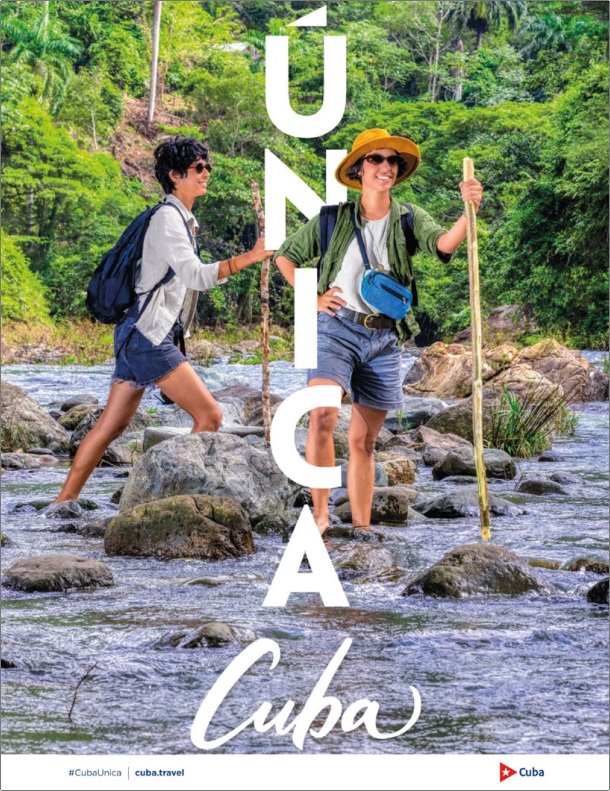
During the meeting, Cuba’s development prospects in this tourism sector were presented. Participants were able to observe on their tours how mountains, valleys, agroecological farms, and cooperatives are committed to sustainability, a true treasure behind each project.
According to Humberto López-Tirone, president of Iberoatur, Cuba “is more than a paradise of white sand and turquoise waters: it displays a surprising natural wealth, becoming a destination where adventure and conservation intertwine, inviting visitors to discover its most authentic and verdant side.”
Meanwhile, Jorge San Martín, Chile’s representative at Iberoatur, highlighted that the event allowed him to attend presentations on rural and community-based tourism and observe firsthand the best practices being developed in the country. He also emphasized the visits to tobacco farms, the work with bees, and the collaboration between academia and communities—experiences that, in his opinion, are worth replicating in other contexts.
Francisco Longino Franquiz Domínguez, director of Events and Incentives at Ecotur, noted the need to promote the identification of attractions in each region and their transformation into agrotourism offers to revitalize this sector at the local level. “Agrotourism is another component, and in communities, it is synonymous with professional, individual and economic improvement,” he stated.
Inspiring examples
The Viñales Valley, located in the Sierra de los Órganos mountain range in Pinar del Río province—a UNESCO World Heritage Natural Landscape—is a successful example and a quintessential rural destination. Its inhabitants employ traditional agricultural techniques for tobacco production and proudly showcase the beauty of a landscape dotted with farms and communities of traditional architecture.
Among others, La Cueva, a farm managed by brothers Joel and Juviel Fernández Martínez, is located here. The project, which began in 2008, has become a model of family agroecology. On the land, more than 30 varieties of fruit and about 20 varieties of vegetables, all organic, are grown, using compost, ash, vermiculture and living barriers. Viñales is also home to endemic species such as the cork palm and the pine forest guava, which grow on the mogotes (limestone hills) and are difficult to access outside this environment.
The brothers, with no prior farming experience, have learned through hands-on experience, collaboration with other producers, and support from the National Park. “We started with a bicycle and a backpack, selling what we grew. Today we have a traditional Cuban and vegetarian restaurant, eco-friendly cabins, and a lake that beautifies the area,” they recall. Their goal has been to preserve health through chemical-free food. “It’s been tough, but we’re proud of what we’ve created.”
Also noteworthy in western Cuba are the Las Terrazas community tourism complex, the Hacienda Guanabito—part of the Palmares group of non-hotel accommodations, located on the outskirts of Havana—and other farms and facilities that combine rural life, nature and agrotourism in a unique tourism experience.
With the goal of prioritizing the preservation of natural resources and the development of local communities, agrotourism stands as an exemplary model of sustainable tourism that benefits both visitors and hosts.
Andreia Roque, a Brazilian traveler who visited the island for the first time, summed it up with emotion: “I’ve seen the world, but I had never been to Cuba before. I was struck by its people, its nature, and the potential for developing sustainable rural tourism, which is already a reality. Its natural values and the communities that integrate into and benefit from this model… are incredible.”
Cuba thus diversifies its tourism offers: heritage cities with architectural and historical value, Caribbean beaches on both coasts, and a countryside full of attractions linked to conservation, tradition and enviable gastronomy.
Cuba’s rural areas represent an adventure and a natural paradise that surpasses those unforgettable sites we read about throughout our lives.