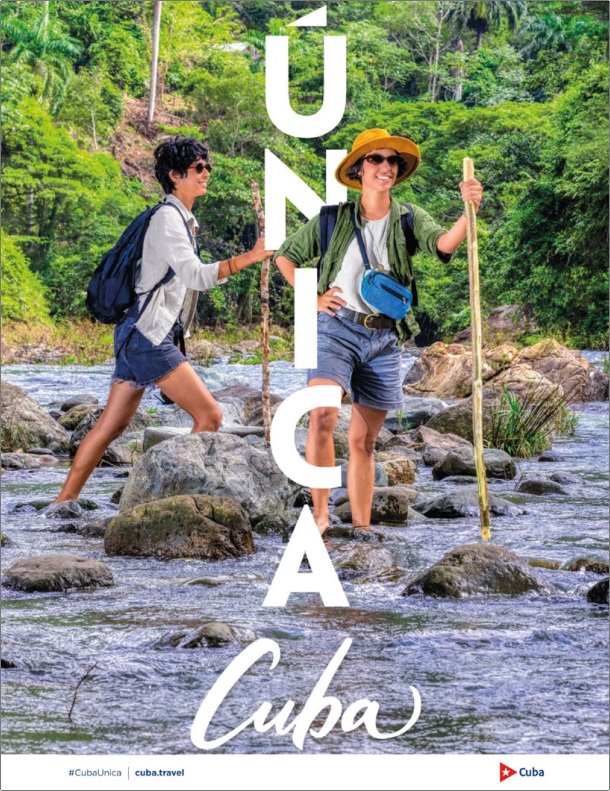
Five ideas for exploring caves in western Cuba
Nature tourism in Pinar del Río promotes quality experiences and ecological respect
Posted by Sol de Cuba, 07/04/2026
Some of Cuba’s largest and most spectacular caves are located in Pinar del Río, a region well-known to travelers for its extraordinary natural beauty. Exploring its caverns means discovering the intrinsic secrets of Cuban nature, making the province an essential destination for those seeking intense emotions and authentic contact with nature, as it boasts the largest cave systems in the country.
Caving tourism has significant value in several areas—economic, educational, scientific, and environmental—as it can generate income for communities through job creation (guides, transportation, lodging, food), as well as foster the development of tourism infrastructure in rural or less developed areas, while allowing visitors to learn about geology, cave formation, subterranean biodiversity, and natural history.
Furthermore, it facilitates the exploration and study of underground environments that may contain key information about past climate, biodiversity, and geological and paleontological processes.
Here, the Sol de Cuba team brings you five of the largest and most interesting caves in western Cuba.
Cueva de Santo Tomás
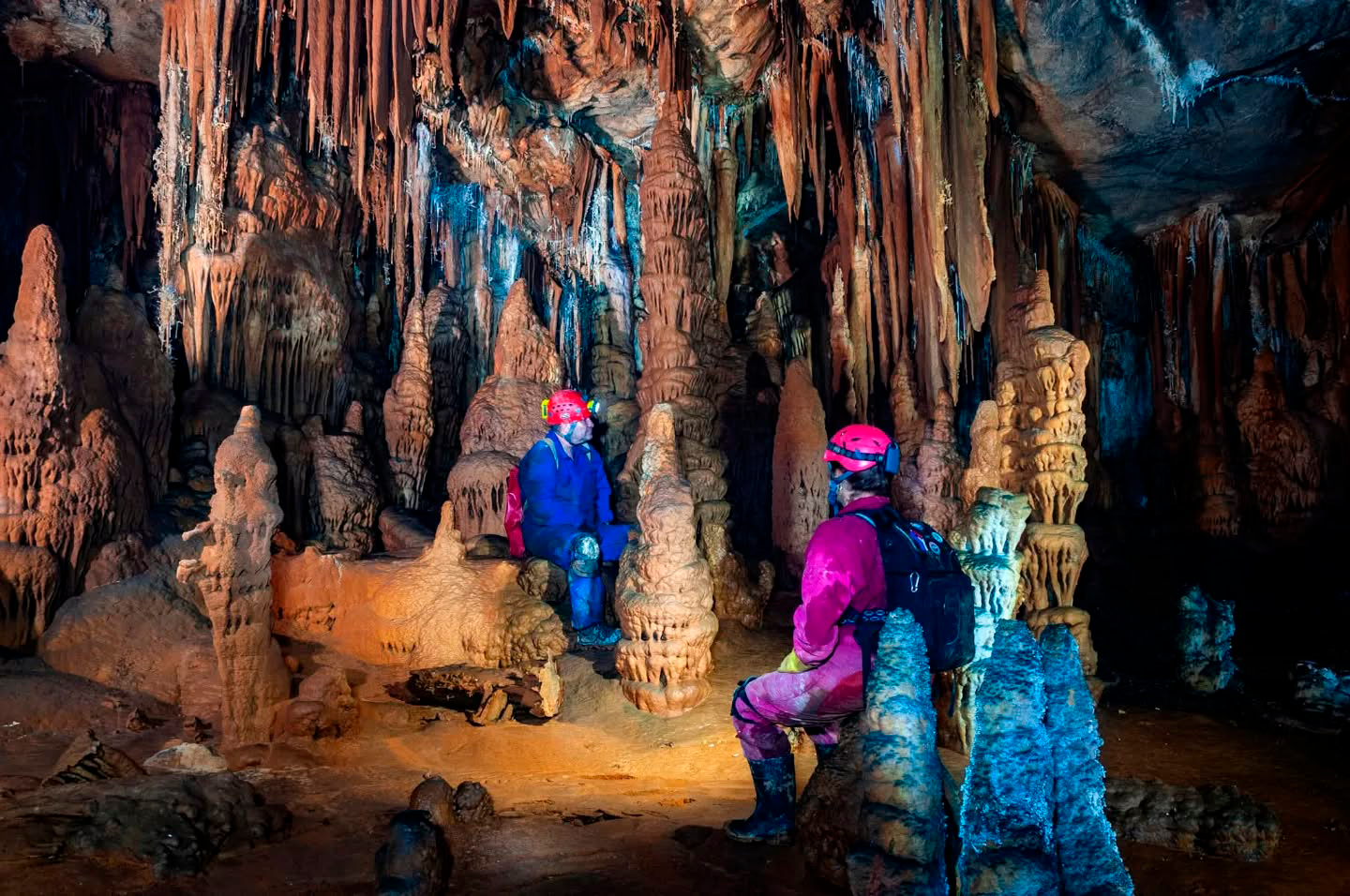
The Santo Tomás Cave, located in the Viñales Valley, stands out as the second longest cave in the Americas, with over 45 kilometers of galleries and seven levels. It is the crown jewel of Cuban caves, classified as a National Monument for being the most important cave system in the country.
It is named the Great Cave of Santo Tomás because explorations carried out by the Cuban Speleological Society confirmed that the intricate network of underground galleries was formed by ancient rivers, now represented by the Santo Tomás stream and its tributaries, which flow into the La Caoba River, which in turn joins the Cuyaguateje River.
From its entrance, the panoramic view of the valley is a spectacle for both the eyes and the camera. The tour, always accompanied by expert guides, includes passages through chambers filled with stalactites and stalagmites, and a mysterious underground lake that surprises every visitor. The cave maintains its natural state, without artificial lighting, which intensifies the experience of connecting with pristine nature.
Cueva del Indio
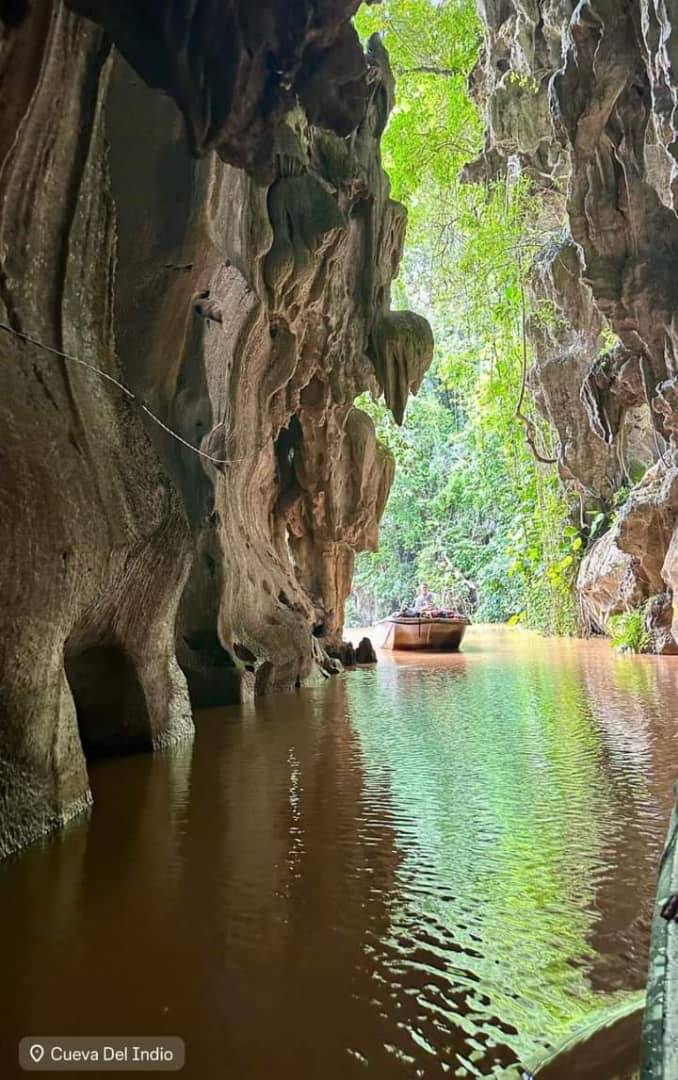
Near the town of San Vicente, the Cueva del Indio (Indian Cave) stands as an iconic destination, famous for its rock formations and a navigable underground river accessible by speedboat. Discovered in 1920, it preserves archaeological remains and cave paintings that speak of ancient indigenous settlements.
This site combines adventure and culture, along with a panoramic view of the valley and the town that thrills those who explore its natural trails. Inside the cave, you can admire spectacular cave paintings and some archaeological remains from pre-Columbian Cuban cultures.
Cueva de Los Cimarrones
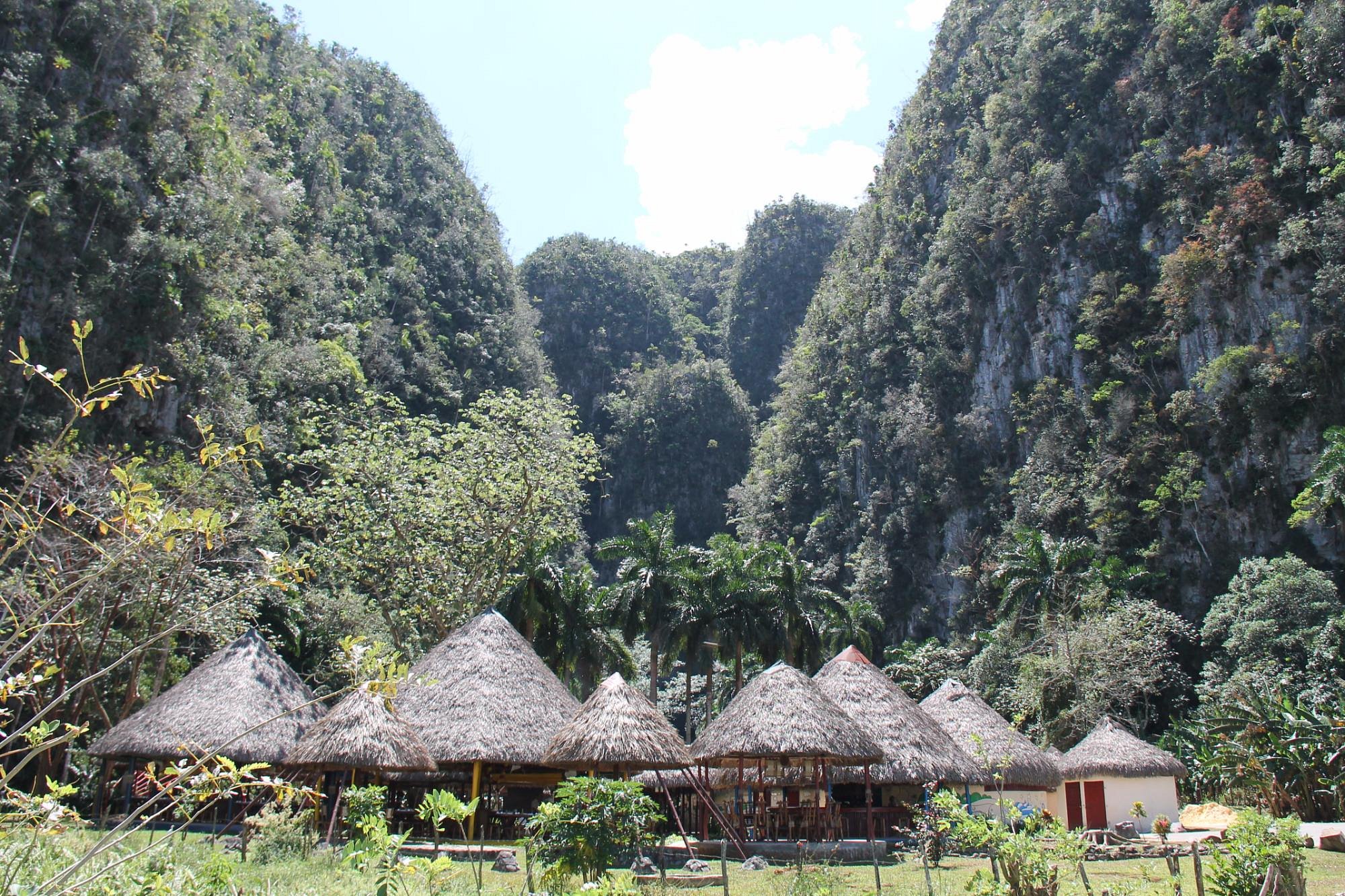
The Cave of the Maroons invites you to immerse yourself in a historical context of resistance and freedom. Here, runaway slaves found refuge during the colonial period, preserving memory and tradition in an environment comfortably prepared for visitors.
The guided tour reveals fascinating historical details, while the surrounding landscape offers tranquility and beauty to enjoy with the family, with the option of returning by horse-drawn carriage after the exploration.
Cueva de Palmarito
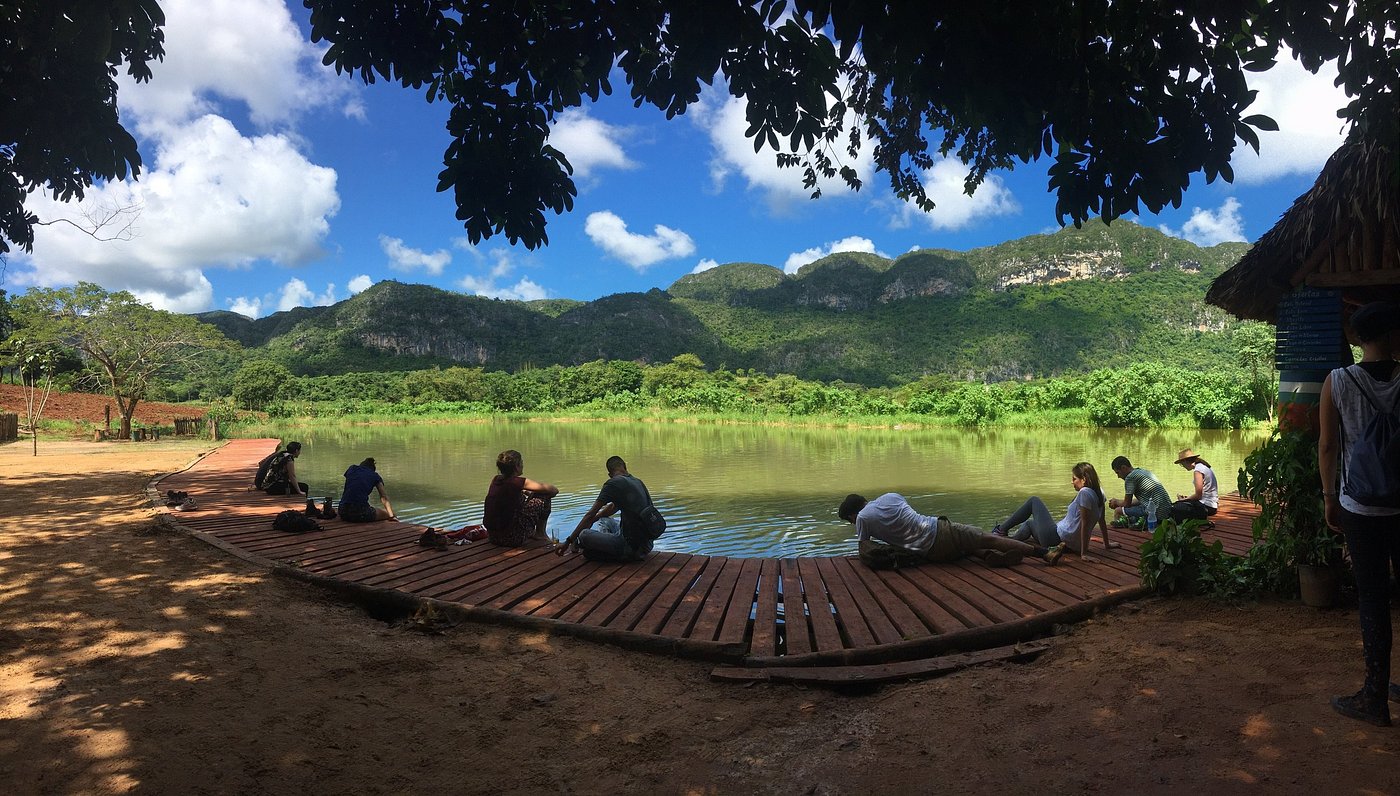
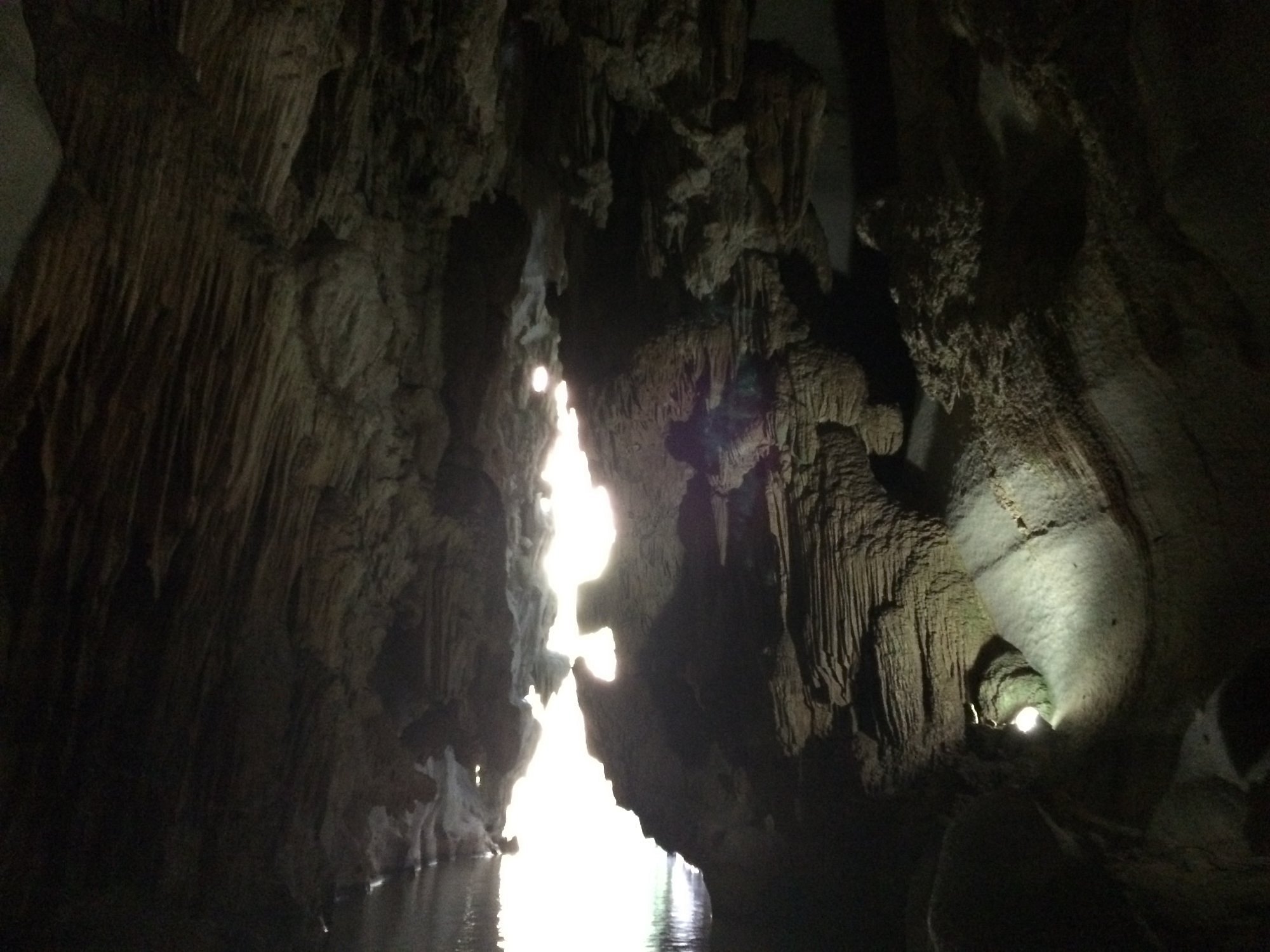
For those seeking a more intimate connection with nature, Palmarito Cave offers a completely dark environment and a natural underground lake where visitors can cool off and escape the tropical heat.
The Palmarito-Novillo-Pan de Azúcar Cave System is located within the mountain ranges known as: Sierra de Viñales, Sierra del Medio, Sierra de Ancón, Sierra de la Chorrera or Guasasa, and Sierra de Pan de Azúcar, all part of the Sierra de los Órganos, Cordillera de Guaniguanico, Viñales, Pinar del Río.
This area is far removed from mass tourism, providing an intense and authentic experience, accompanied by the inherent mystery of darkness and depth.
Cueva de San Miguel
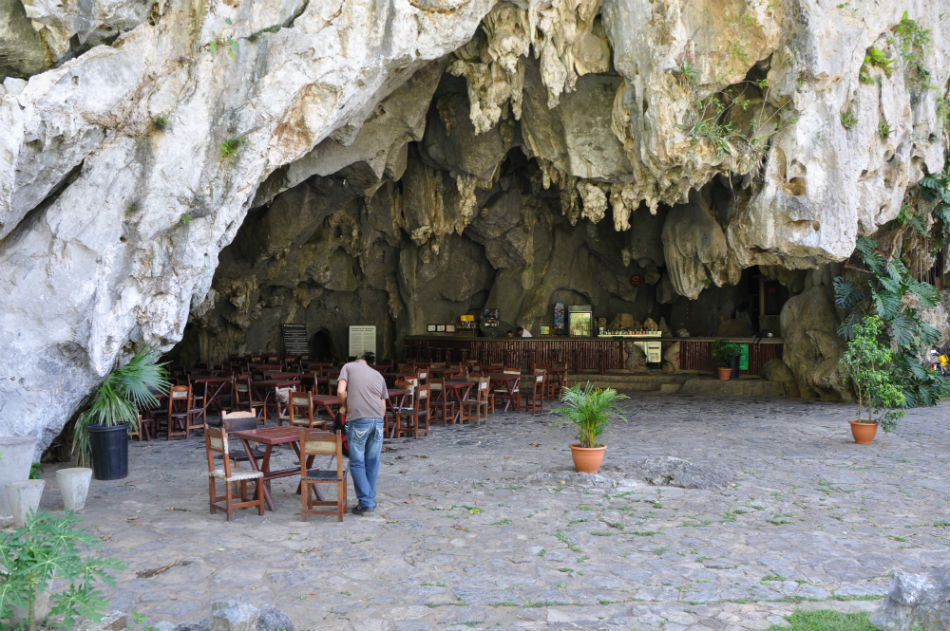
Finally, San Miguel Cave, a few kilometers from Viñales in the San Vicente Valley, offers a short but atmospheric and meaningful tour. It is located at Km. 34 on the road to Puerto Esperanza.
The setting recreates runaway slaves’ escapes and hideouts during their fight for freedom. Upon exiting, the Palenque de los Cimarrones restaurant awaits with an exquisite selection of traditional Cuban cuisine, strengthening the connection between history, nature, and culture.
The nature tourism offerings in Pinar del Río promote quality experiences, respect for the environment, and learning about environmental sustainability. Caves, with their unique geological formations and ecosystems, are ideal settings for connecting with biodiversity and local history.