Cayo Santa María’s smart tourism destination assessment begins
The Gaviota Tourism Group seeks to improve competitiveness and customer experience
Posted by Sol de Cuba, 19/02/2026
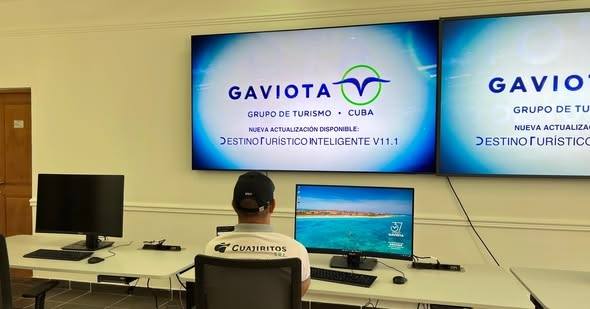
Managed by Segittur, the Spanish state-owned company for the Management of Innovation and Tourism Technologies, the assessment of Cayo Santa María, Cuba, as a Smart Tourism Destination (STD) has begun.
The Gaviota Tourism Group announced via social media that this process, promoted by SETUR, constitutes “a fundamental step to continue offering the best experience to our visitors.”
With 38 years of hotel excellence, Gaviota manages 44,049 rooms and 121 hotels on the island. Using this new model in Cayo Santa María, the group seeks to improve competitiveness and the quality of its customers’ stay; strengthen governance, innovation and technology; and reaffirm its commitment to sustainability and accessibility.
Once the comprehensive assessment is complete, it will be time to develop a tailored action plan for the destination. “We are moving forward with purpose. We continue to be a benchmark,” the Group’s statement concludes.



What requirements must a Smart Tourism Destination meet?
The diagnostic process for evaluating a potential Smart Tourism Destination (STD) is based on a structured model that analyzes multiple dimensions of the territory, integrating innovation, sustainability and technology.
According to the Segittur website, the key pillars of the diagnostic process are: Governance and Strategic Planning; Innovation; Environmental and Social Sustainability; Universal Accessibility; Tourist Experience; and Economic Competitiveness.
Governance and Strategic Planning analyzes public-private coordination (participation of government agencies, businesses and the local community), tourism policies and their alignment with the Sustainable Development Goals (SDGs), and the existence of a digital transformation plan for the destination.
The Innovation category relates to digital infrastructure (5G coverage, public Wi-Fi, IoT sensors), integrated tourism management platforms, and the implementation of smart solutions (smart lighting, sustainable mobility, online booking).
Meanwhile, Environmental and Social Sustainability assesses the ecological impact of tourism (waste management, carbon footprint, biodiversity), as well as tourist carrying capacity (avoiding overcrowding; e.g., limited reservations in protected areas), and the benefits for the local community (employment, economic redistribution, protection of cultural heritage).
Universal Accessibility, on the other hand, includes facilities for people with disabilities (transportation, accommodations, adapted public spaces), as well as other elements that enhance the experience, such as the use of multilingual signage and clear information on digital channels.
The Tourist Experience is evaluated through the commitment to personalization using digital tools (recommendations based on preferences), the diversification of offerings (cultural, gastronomic, rural tourism, etc.), and crisis management (emergency protocols; e.g., early warnings via mobile).
The final point, Economic Competitiveness, analyzes the return on investment (ROI) in Smart Tourism projects and the integration of local businesses into the value chain.