Varadero: One of the world’s best beaches
Varadero is located next to the longest coral reef in the Caribbean
Posted by Sol de Cuba, 22/08/2026
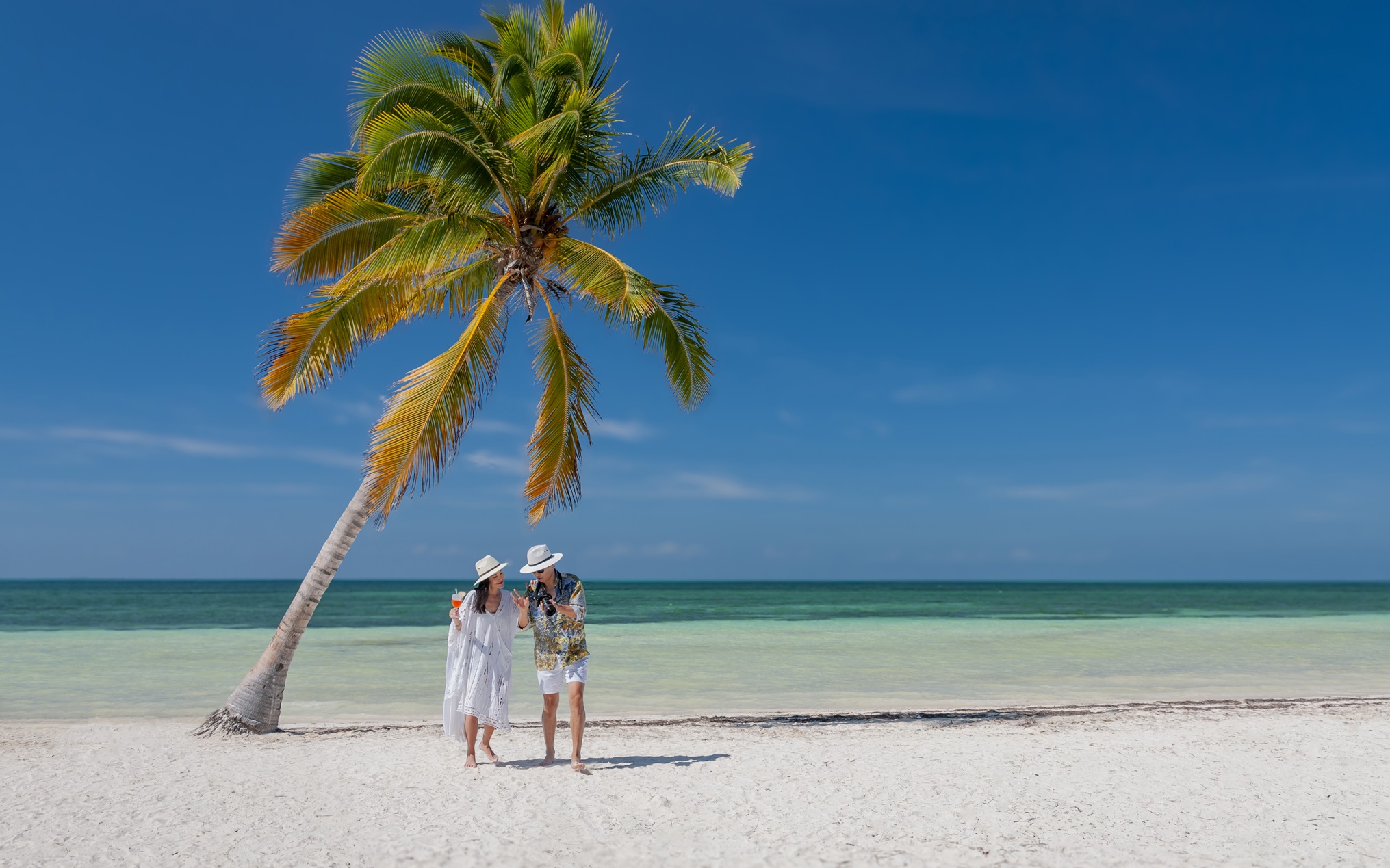
Gaining a scientific understanding of the fragility, dynamics, and conservation measures for Varadero Beach—one of the most sought-after beaches in the Caribbean—is essential for sustainable tourism. It also provides potential investors, authorities, and visitors with a clear framework to ensure the conservation of the landscape and ecosystem.
When this tropical paradise is mentioned, the scientific reasons for maintaining the beach’s quality and extent—which are essential for recreational activities—are not always highlighted. Nor is the need to prevent irreversible damage caused by construction or improper interventions, or to ensure economic sustainability based on long-term environmental preservation.
This is precisely the basis of the research study “Varadero Beach, Hicacos Peninsula, Cuba: Formation and Evolution of Topography and Environmental Experiences of Artificial Regeneration,” published by the Revista de Investigaciones Geográficas (Journal of Geographic Research) in Mexico City in its Issue No. 49.
At the time, this study helped shed light on how to balance tourism development and environmental conservation in the area, promoting a form of tourism that makes the most of and respects natural resources.
GOLD ON THE BEACH
Among the scientific arguments demonstrating the value of this coastal strip are the following:
Varadero is located next to the longest coral arc in the Caribbean, the Mesoamerican Reef System, which includes a wide variety of hard and soft corals, fish, mollusks, and other marine species, as indicated by the study “Biodiversity and Health Status of Reefs in Varadero, Cuba,” published in 2016 by the journal Marine Ecology Progress Series.
Its nearby reefs have good coral cover and high resilience to natural disturbances, making them vital for coastal protection and as habitats for various species—a phenomenon detailed in 2018 by the Cuban Journal of Marine Sciences in the article “Ecological Status of Coral Reefs on the Hicacos Peninsula.”
In addition, the area includes complementary ecosystems such as mangroves, seagrass beds, and coastal dunes, which play crucial roles in stabilizing the coastline, filtering water, and providing habitat for wildlife.
The Hicacos Peninsula, where the well-known beach resort is located, is a young (Holocene) geomorphological system that is highly vulnerable to erosion and disturbances, and therefore requires careful management.
The region is home to endemic species of marine and coastal fauna, including some listed on the Red Lists of the International Union for Conservation of Nature (IUCN).
Furthermore, the area has served as a model for research on artificial beach regeneration and sustainable management, integrating tourism development with conservation.
Varadero is part of Cuba’s protected areas designated by the Ministry of Science, Technology, and Environment (CITMA) and is recognized by international organizations as a site of ecological and tourist value.
The coastline responds differently to seasonal changes, with distinct processes evident in summer and winter, reflecting an adaptive ecosystem.
SAVING THE BEACH HAS ALWAYS BEEN A PRIORITY
Various press reports indicate that regeneration efforts based on scientific studies have been carried out in the area, including detailed monitoring and analysis that enabled the selection of techniques aligned with environmental conservation that maintain the natural quality of the system.
Sand replenishment has been carried out using clean technologies that do not pollute or harm the fauna, flora, or geomorphological structure, ensuring the sustainability of the ecosystem.