In Canada: Cuba joins the Caribbean in pursuit of more resilient tourism
Cuba is participating in this event for strategic reasons within the regional dynamics of tourism
Posted by Daily Pérez Guillén, 29/07/2026
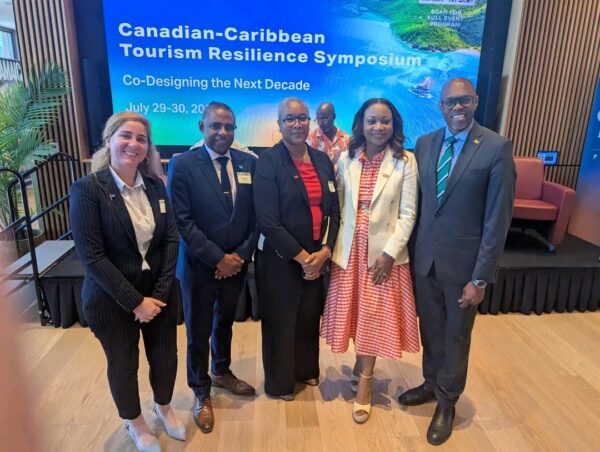
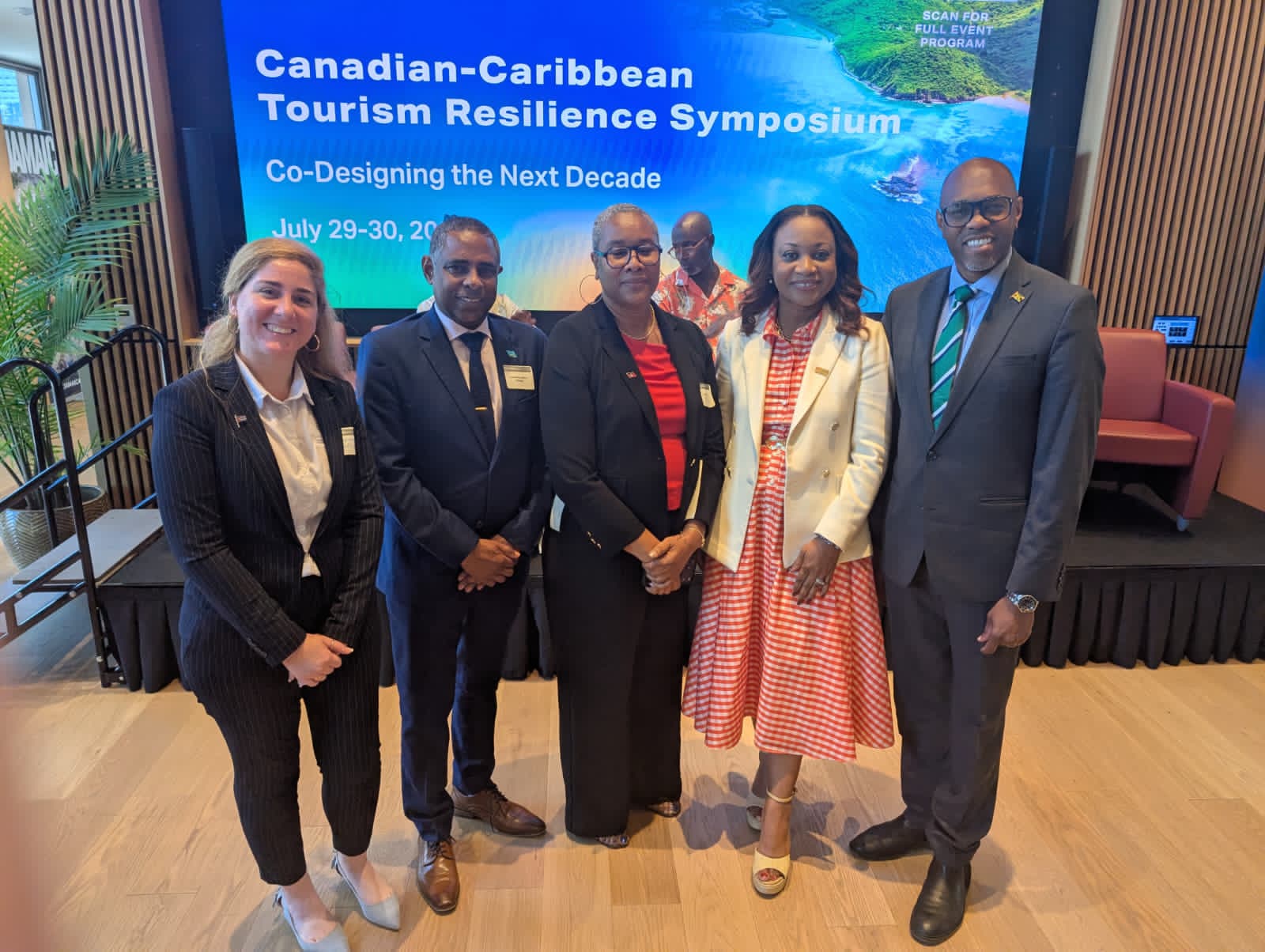
Cuba is participating in the “Canadian-Caribbean Tourism Resilience Symposium: Co-Designing the Next Decade,” taking place on July 29 and 30 at Limberlost Place on the George Brown Waterfront Campus in Toronto.
The event, designed to strengthen regional cooperation in order to address the challenges threatening the future of one of the most important industries for both regions, brings together representatives from governments, international organizations, academic institutions, and companies in the Canadian and Caribbean tourism sectors.
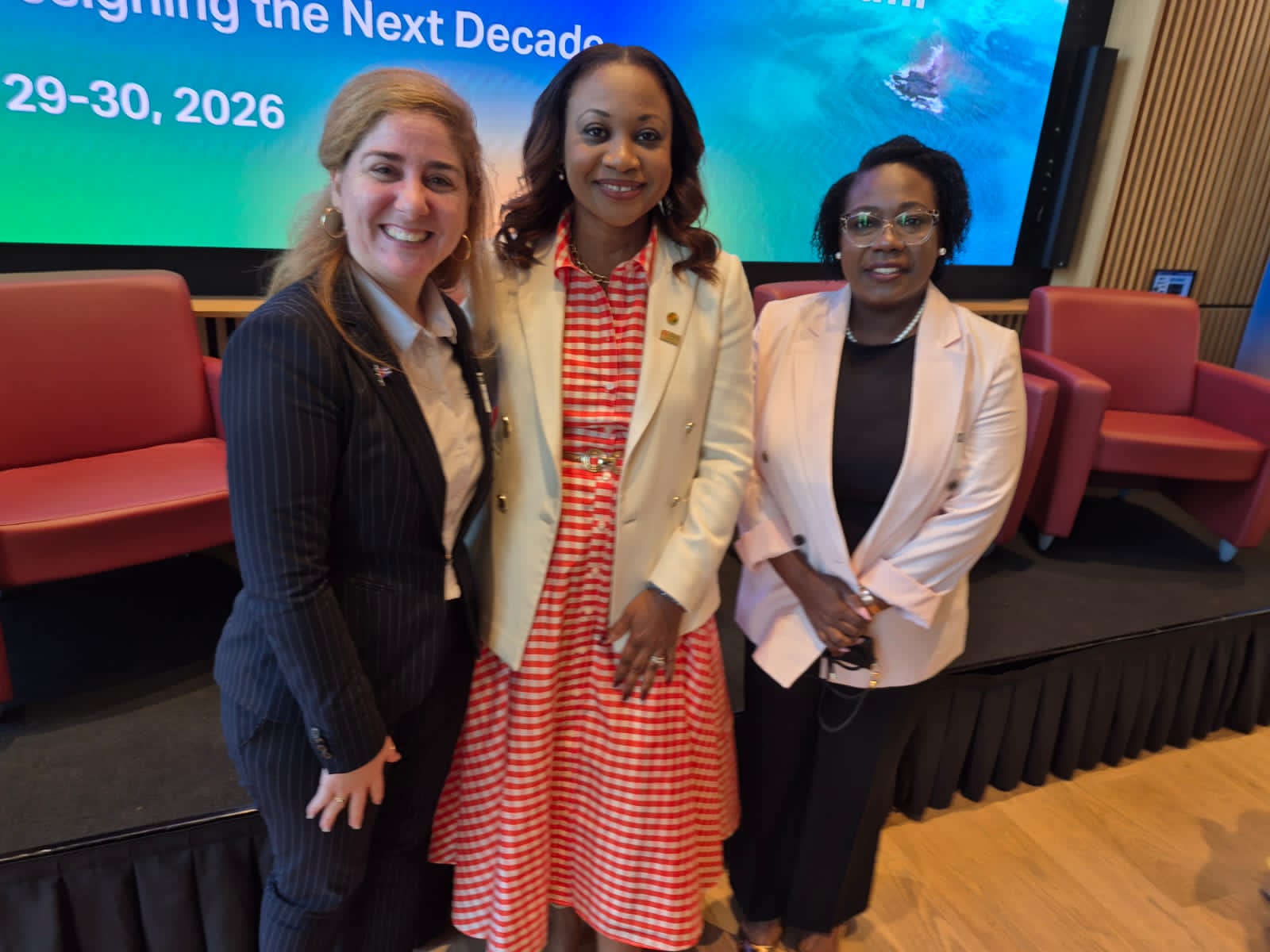
Director of the Cuba Tourism Board in Toronto, Gihana Galindo, explained that Cuba is participating in this event for strategic reasons within the regional dynamics of tourism.
“It is one of the most important Caribbean destinations for the Canadian market, and we are interested in strengthening partnerships with Canadian academic institutions specializing in the tourism sector, integrating regional efforts in the Caribbean, and exchanging experiences on resilience and sustainability in a high-level academic and professional setting,” Galindo noted.
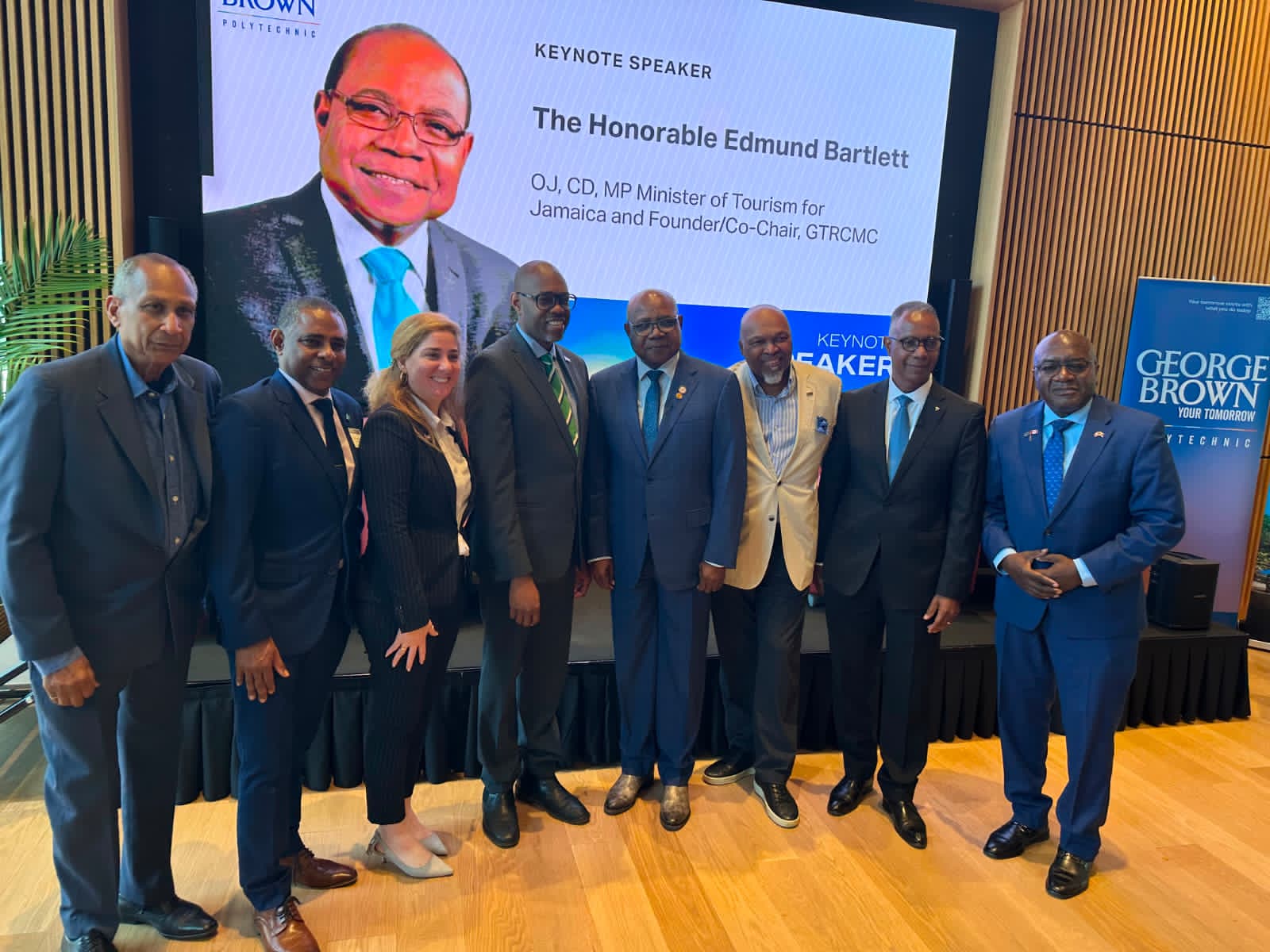
The Global Tourism Resilience and Crisis Management Centre (GTRCMC) at George Brown Polytechnic, in collaboration with the Caribbean Tourism Organization (CTO), is organizing the event, which will also be attended by destination management organizations, researchers, private-sector leaders, and international partners.
Over the course of two days, participants will analyze strategies to strengthen the tourism sector’s resilience in the face of climate change, health crises, supply chain disruptions, labor shortages and rapid technological transformation.
Dr. Tyrone Hall, director of the Brookfield Sustainability Institute at George Brown Polytechnic, explained to the media that the symposium emerged from an extensive consultation process with tourism stakeholders in Canada and the Caribbean.
“It was conceived through active listening to the tourism sector and recognition of its importance to communities and the economy. We consulted with stakeholders on the challenges they face and the issues that should be prioritized,” he said.
Hall emphasized that the event represents an opportunity for both regions to exchange experiences and develop joint solutions that strengthen the economic and cultural vitality of their destinations.
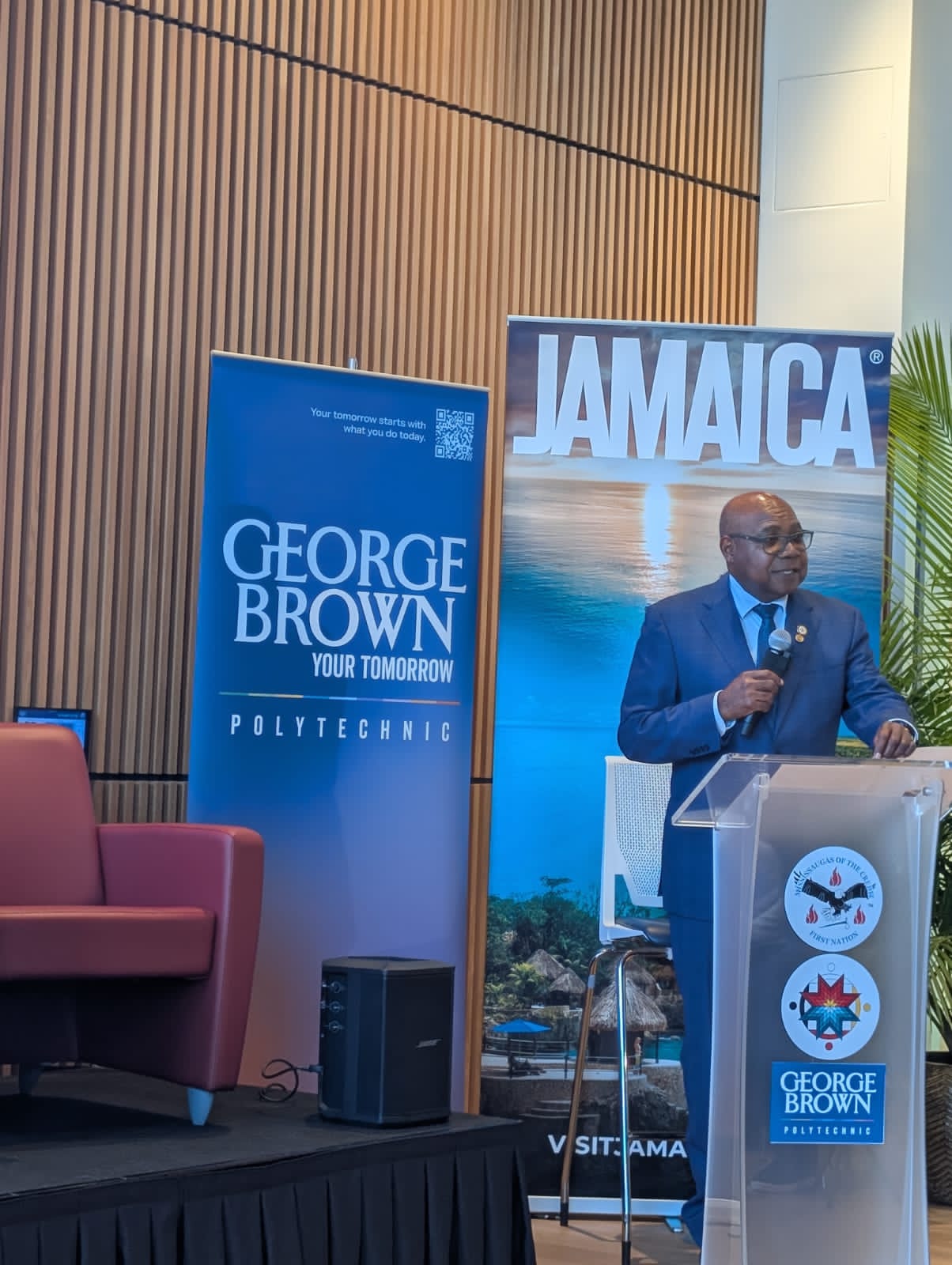
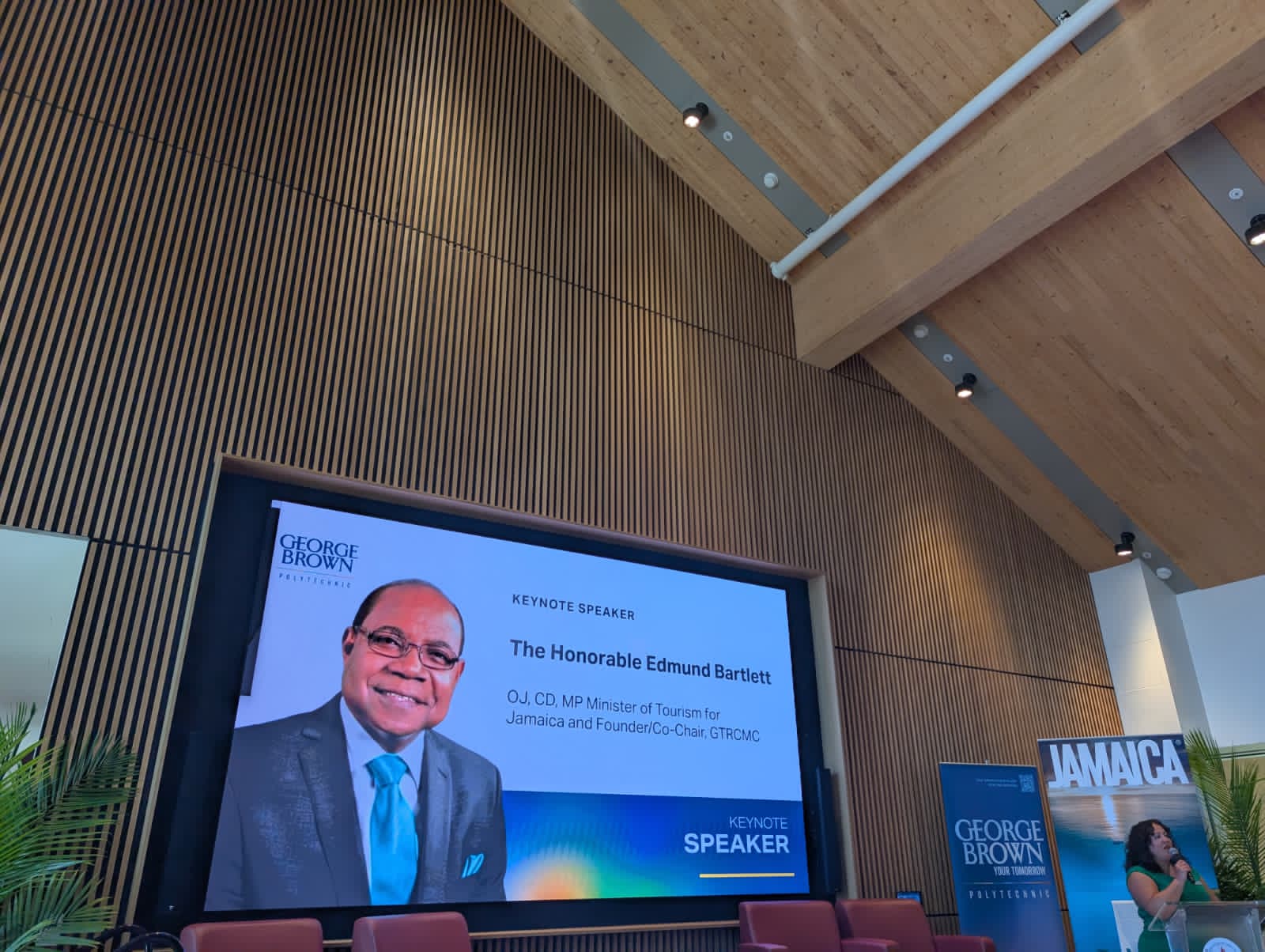
Meanwhile, Jamaican Tourism Minister Edmund Bartlett—considered one of the leading advocates of the concept of tourism resilience on the international stage—stressed the need to incorporate this approach into all development policies for the sector.
“Tourism is one of the world’s most powerful economic forces, but its future depends on our ability to innovate and strengthen our resilience. Collaboration between Canada and the Caribbean will enable us to share knowledge, strengthen partnerships, and develop solutions that help communities and destinations thrive for generations to come,” he said.
resident of George Brown Polytechnic, Dr. Gervan Fearon, emphasized that the institution is the only GTRCMC hub in North America, a status that allows it to connect governments, researchers, and businesses to drive innovation in tourism.
Similarly, Secretary General and Executive Director of the Caribbean Tourism Organization, Dona Regis-Prosper, emphasized that strengthening local capacities will be crucial for the sector’s future.
“Caribbean tourism has demonstrated a remarkable ability to adapt, but achieving true resilience requires strengthening our workforce, our supply chains and our local capacity. Cooperation with Canada will enable us to develop sustainable solutions with lasting benefits for our communities,” she said.
One of the most innovative highlights of the program is the Workshop on Artificial Intelligence and Tourism Resilience: Crisis Preparedness, Management, and Recovery, designed to demonstrate how this technological tool can become an ally in comprehensive emergency management.
During the sessions, practical applications of platforms such as ChatGPT, Claude, Gemini, ArcGIS GeoAI, Google Earth Engine, Google Flood Hub, and Power BI are presented to strengthen early warning systems, risk analysis, crisis communication, damage assessment, resource allocation, and recovery planning.
The academic program also includes panels dedicated to financing tourism resilience, emergency preparedness and crisis communication, workforce resilience through skills development and technical education, as well as strengthening supply chains, transportation, and food security.
The organizers emphasize that the symposium’s objective goes beyond exchanging experiences; it aims to build a joint agenda for the coming decade that will enable Canada and the Caribbean to develop a more sustainable and innovative tourism sector, one that is prepared to respond to the economic, environmental, and social challenges of the future.