A journey into the Cuban soul
Three Cuban cultural gems no traveler should miss
Posted by Sol de Cuba, 21/07/2026
Cuba is an island that captivates the hearts of those who visit it. While many tourists are drawn to its beaches, music and history, there are three cultural gems—designated Intangible Cultural Heritage of Humanity by UNESCO—that offer a unique and unforgettable experience.
These traditions blend history, folklore and community, revealing the profound richness of Cuba’s heritage. For the curious traveler passionate about authentic roots, experiencing the Tumba Francesa, the Parrandas de Remedios, and the cigar-making traditions means immersing oneself in the very heart of Cuban identity.
The Tumba Francesa: A legacy of Haitian and French heritage
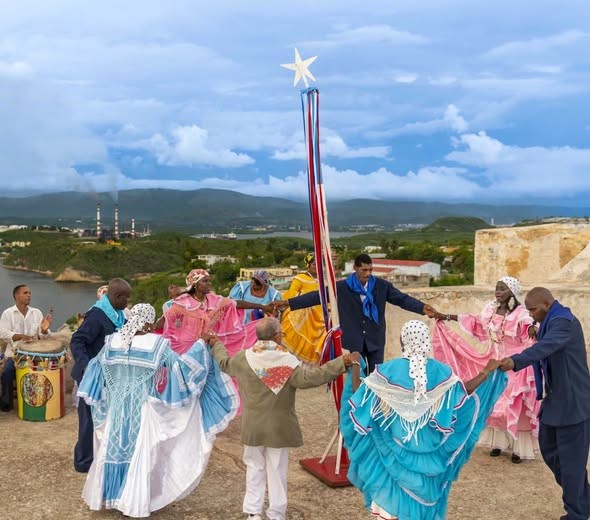
In eastern Cuba, particularly in Santiago de Cuba and Guantánamo, the Tumba Francesa is a cultural spectacle that blends dance, percussion and song. Its origins date back to the late 18th century, when French settlers and slaves from the newly independent Haiti arrived in Cuba, bringing their musical and dance traditions with them.
The Tumba Francesa is a powerful fusion: the syncopated rhythm and energy of Africa meet French melodies and elegance, creating a ritual that celebrates resilience, community and identity.
For travelers, attending a Tumba Francesa performance is a fascinating experience. The groups—composed of musicians and dancers dressed in colorful costumes—perform pieces in which the vocals and drums create a rhythmic dialogue that spreads joy.
Tumba Francesa is performed in theaters, during popular festivals, and at religious celebrations throughout the region, where its symbolic value is not only artistic, but spiritual.
The Parrandas of the central region: Celebration, rivalry and tradition
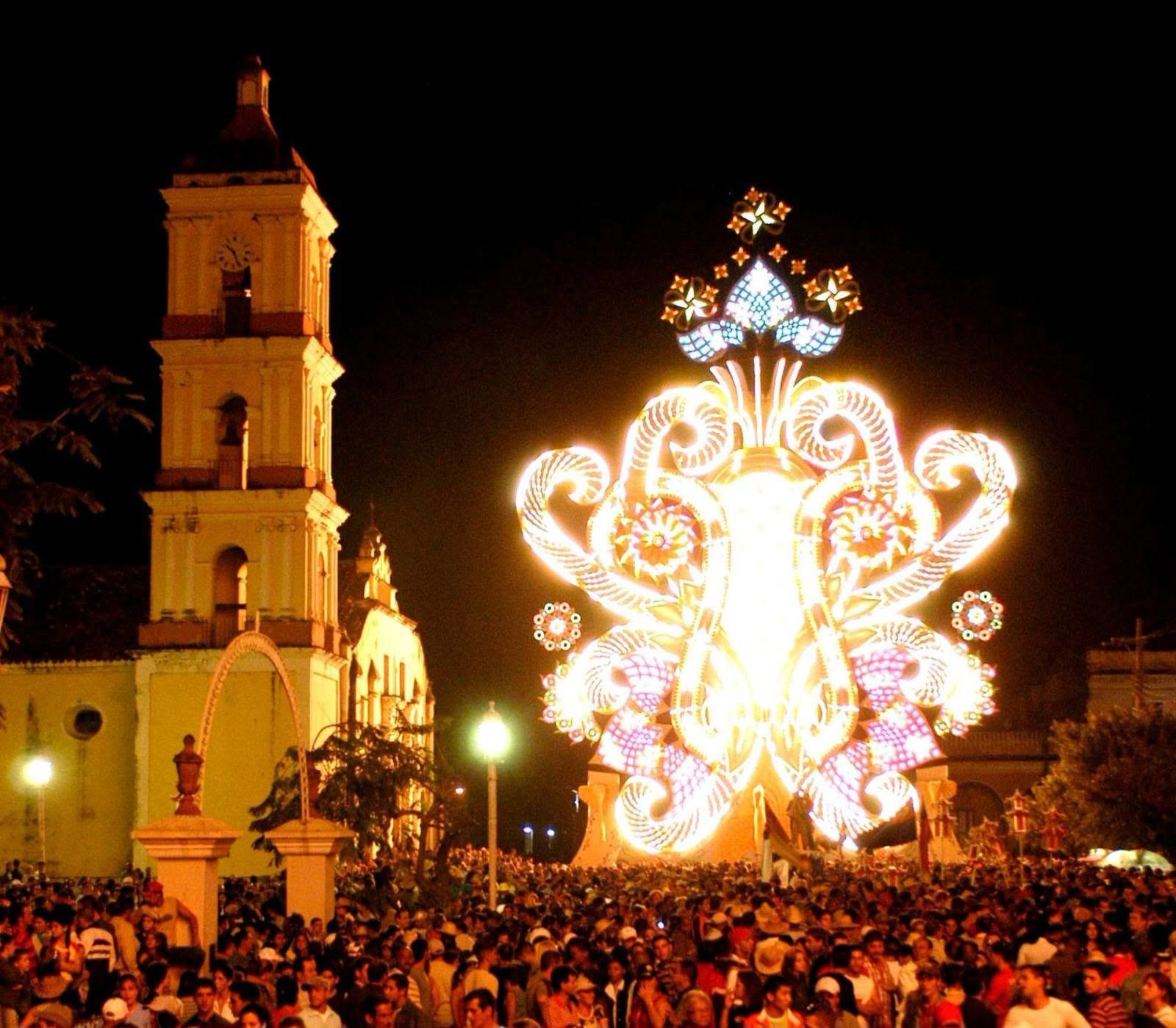
In central Cuba, the Parrandas are much more than a popular festival: they are a cultural phenomenon brimming with intensity, history and emotion. The most famous ones are held in Remedios.
These festivals originated in the 19th century as a competition between neighborhoods and have evolved into a spectacular display of creativity and community passion.
During the Parrandas, the streets fill with floats and dance troupes, adorned with lights and motifs that capture the imagination. The highlight is the fireworks display—of astonishing quality and detail—that outshines other pyrotechnic events in the Caribbean.
The rivalry between neighborhoods, far from being confrontational, serves as a driving force for cooperation and collective effort. For visitors, the Parrandas offer an unparalleled festive atmosphere, where it’s possible to interact with locals who proudly preserve this heritage with enthusiasm and dedication.
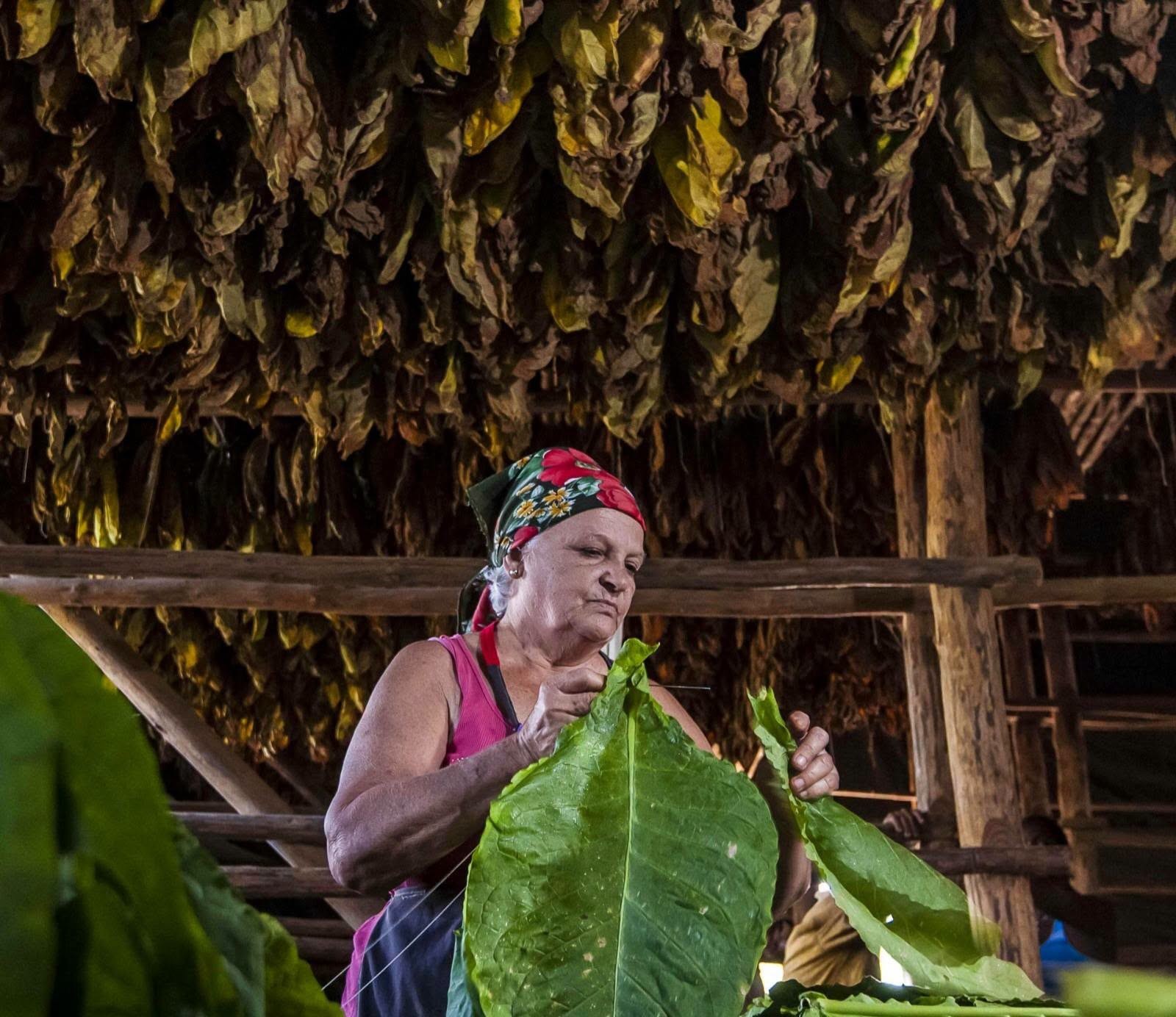
Cigar factory readings: A literary art form at the heart of work
In the Pinar del Río region, the birthplace of some of the world’s finest cigars, there is an intimate, centuries-old tradition that transforms work into a unique cultural experience. Cigar factory readings consist of the narration of novels, poetry, news and even plays, to accompany the monotonous work of the cigar rollers.
This custom, which dates back to the 19th century, arrived with the first Spanish immigrants and has been kept alive thanks to a respect for literature and a sense of community among the workers. Walking through a factory or workshop where these readings take place is like traveling back in time. The contrast between the concentration required to shape the tobacco and the unhurried voice narrating stories creates a unique atmosphere of learning and cultural enjoyment.
Experiencing these three traditions—the Tumba Francesa, the Parrandas, and the tobacco-rolling readings—is much more than a tourist attraction: it is an encounter with Cuba’s identity. Each reveals how the island has, over time, woven an intangible heritage where diversity, creativity and resilience converge.