Guamacaro’s Tour: Innovative trails
The Coffee Route, the Energy Route, “Along the Paths of History,” and “Diamond Trails” stand out as innovative offerings
Posted by Sol de Cuba, 19/07/2026
By: Yenli Lemus Domínguez
Photos: Guamacaro’s Tour
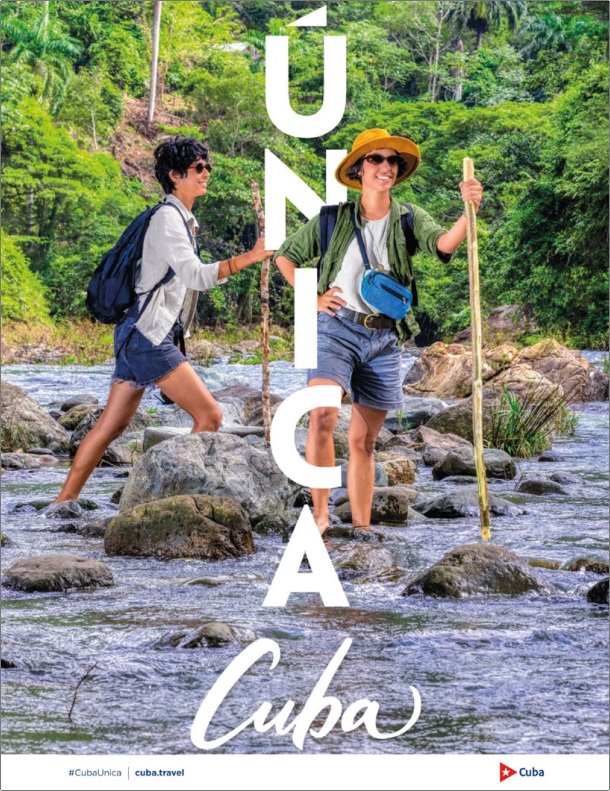
Good vibes accompany visitors from start to finish on the four active routes offered by the young Local Development Project (PDL) known as Guamacaro’s Tour. These routes cross areas of breathtaking natural beauty and fascinating history on the outskirts of Matanzas—a city located about 100 kilometers east of Havana.
The Coffee Route, the Energy Route, Along the Paths of History Trail, and Diamond Trail are truly novel experiences; the latter is a collaborative effort between the Flora and Fauna Enterprise, the Antonio Núñez Jiménez Foundation for Nature and Humans, and the Guamacaro’s Tour project itself.
Guided by expert specialists, visitors inevitably find themselves captivated by the impressive ruins of a 19th-century coffee plantation still standing in the area known as La Julia. Access is via a restored camino real (royal road), where the local flora and fauna also rightfully command the hikers’ attention.
Structures that lay forgotten for years amidst trees and undergrowth can now be visited thanks to Guamacaro’s Tour. Visitors are struck by the beauty and resilience of the walls; at the same time, the landscape gives concrete form to the mental images conjured up by anyone who has read or heard about the colonial economy and the scourge of slavery.
Spotting a Cuban trogon, the national bird, is a likely gift from nature on the way to the unusual “Casa de los Caracoles” (House of Shells). This strikingly attractive building dates back to the 1940s and originated from a vow made by Ramiro Mouriño Bello to Cuban patron saint Our Lady of Charity of El Cobre, driven by his faith in a healing miracle. It is a site rich in the colorful details of the many shells used to cover the building.
Its shells and stones were collected along the shores of Matanzas Bay. The site reportedly became a major cultural hub where the legendary Benny Moré—known as “El Bárbaro del Ritmo” (The Master of Rhythm)—performed, alongside Roberto Faz’s band and other prominent artists of the era.
Another fascinating spot features the remains of the first hydroelectric plant built on the outskirts of Matanzas city; construction began in 1918 and was completed in 1920. Wildlife enthusiasts can observe a colony of bats resting peacefully during the day, marvel at how nature is reclaiming the architecture, and then enjoy a swim in the river.
Many visitors take the opportunity to ride the zip line connecting the banks of the San Agustín River, relax in the hydromassage area, explore the surroundings on a raft, or simply sit and listen to the voice of nature—a blend of flowing water, the breeze rustling the leaves, and birdsong.
Tastings of artisanal coffee, traditional Creole lunches, and other local culinary offerings are conveniently integrated into the tours, which may also include horseback riding at a farm neighboring the Casa de los Caracoles.
Judith Rodríguez Reyes, director of the Local Development Project, describes Guamacaro’s Tour as a highly diverse tourism product; its routes allow visitors to experience sites representing several different eras of Cuban history in a single day.
“Children love the river activities, and parents can relax and enjoy themselves knowing their kids are supervised by trained staff and are having a wonderful time,” noted Rodríguez Reyes—a versatile professional with a distinguished track record in the Cuban Red Cross and leader of the Guamacaro Speleological Group.
Those interested in Guamacaro’s Tour can make reservations through travel agencies such as Cubatur, Cubanacan, Havanatur, and San Cristóbal. The project promises experiences that inspire a desire to return, as they reveal the vivid beauty of Cuba, to be admired and enjoyed along innovative paths.