10 historical facts you didn’t know about Havana’s Morro Castle
Just over 180 years ago, on July 24, 1885, the El Morro lighthouse in Havana emitted its first flash of light
Posted by Sol de Cuba, 26/06/2026
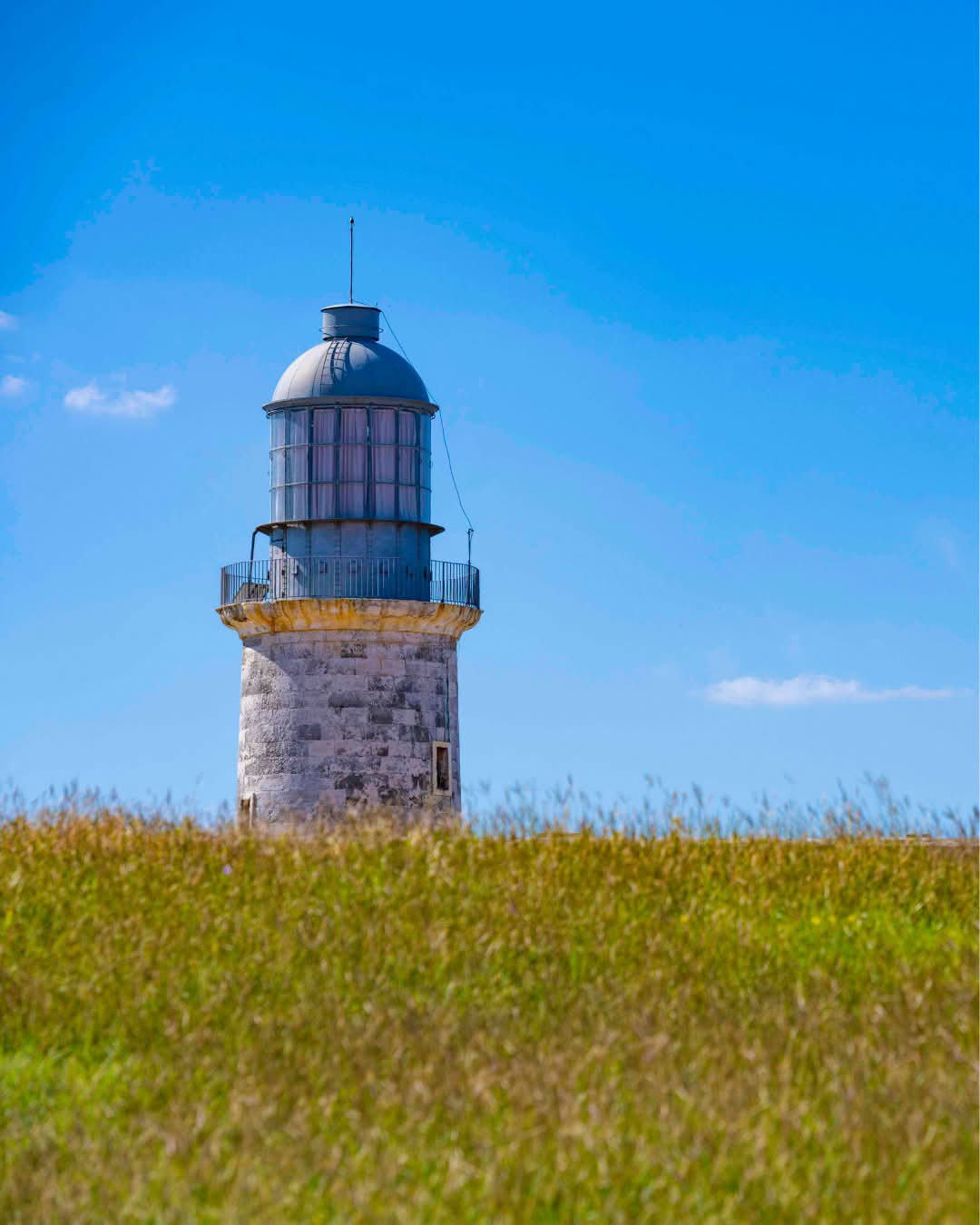
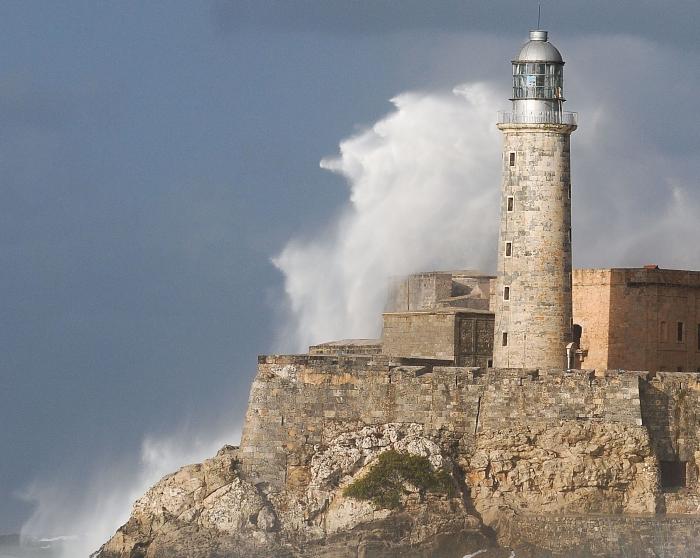
1. After the British captured Havana, the Spanish Crown decided to fortify El Morro Castle and equip it with a lighthouse to guide navigators. Therefore, in 1764, a rustic watchtower, lit with wood and candles, was placed atop the Morrillo tower to signal ships. However, its light was not visible from a distance sufficient to provide timely guidance.
2. On July 24, 1885, the El Morro lighthouse in Havana emitted its first flash of light, using rapeseed oil as fuel.
3. Eighty years later, on July 24, 1945, it shone for the first time using electricity, at 7:40 p.m.
4. Initially, the lighthouse was named O’Donnell, but over time everyone came to call it El Morro Lighthouse.
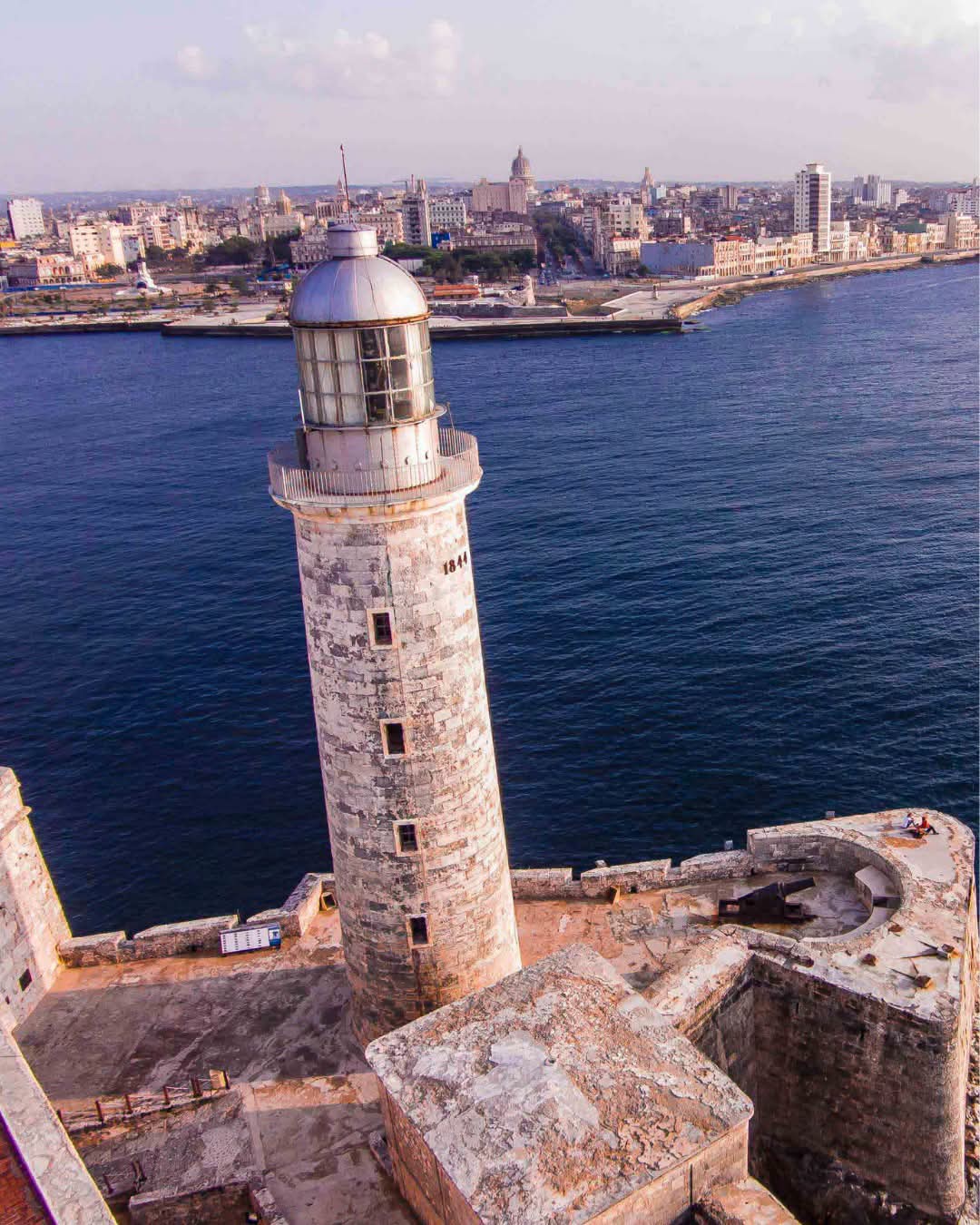
5. The lighthouse stands 45 meters above sea level and its light reaches up to 27 nautical miles. It flashes two white lights every 15 seconds.
6. There is a tour that reaches the viewpoint… but first you’ll have to climb 170 steps.
7. The construction of El Morro began at the same time as that of the Castillo de San Salvador de la Punta, guarding the entrance to the bay against the constant threat of privateers and pirates.
8. Since 1990, the Havana City Historian’s Office has worked on the rescue and preservation of the city’s fortification system, which has since been open to the public and used for events. Its halls function as galleries, and its spaces are home to a vibrant cultural scene.
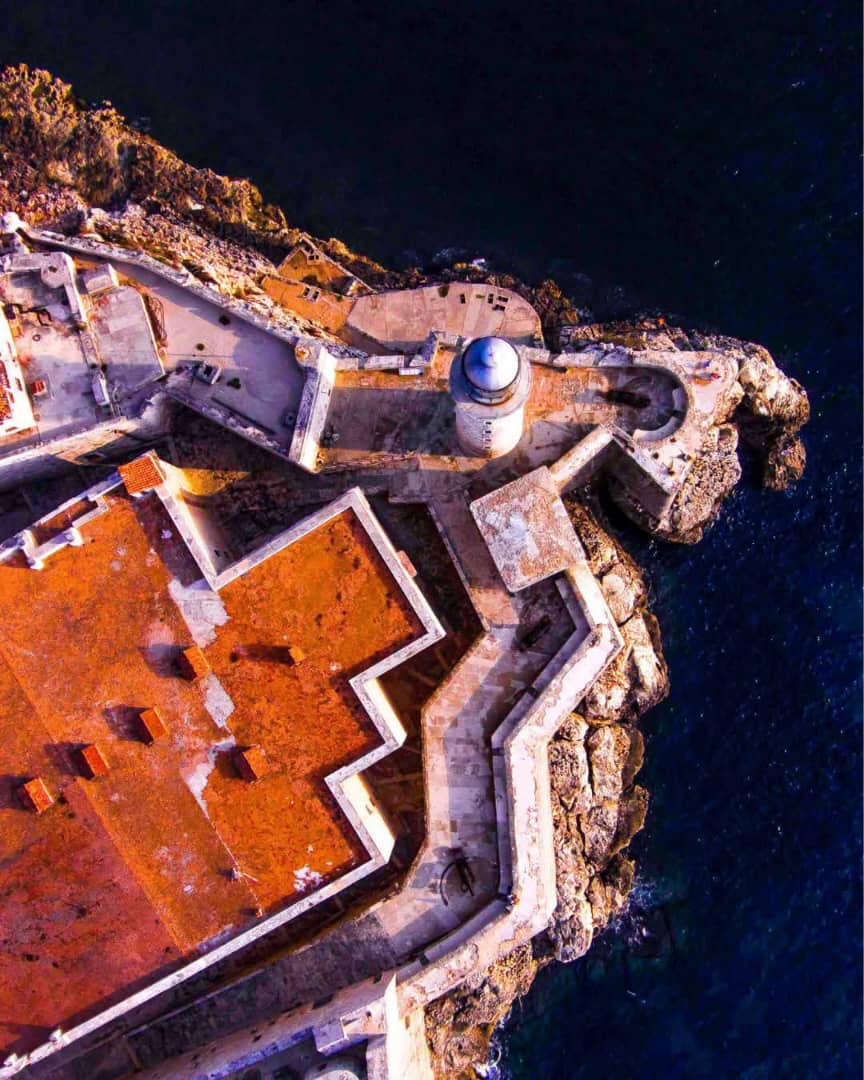
9. For its defense, cannons were positioned at the three points considered most effective: the heavy-caliber pieces facing the sea; the smaller-caliber pieces at the entrance to the channel; and a crescent-shaped battery with twelve cannons, known as “The Twelve Apostles,” which could close off the bay entrance with its deadly fire.
10. On December 14, 1982, UNESCO recognized the Historic Center of Havana and its Fortification System, including El Morro, as a World Heritage Site.
Sources of information: Granma newspaper and Ecured