Pozo Azul: What wonders does the easternmost tip of Cuba host?
The experience is highly valued by those who appreciate life in its natural state
Posted by Sol de Cuba, 19/03/2026
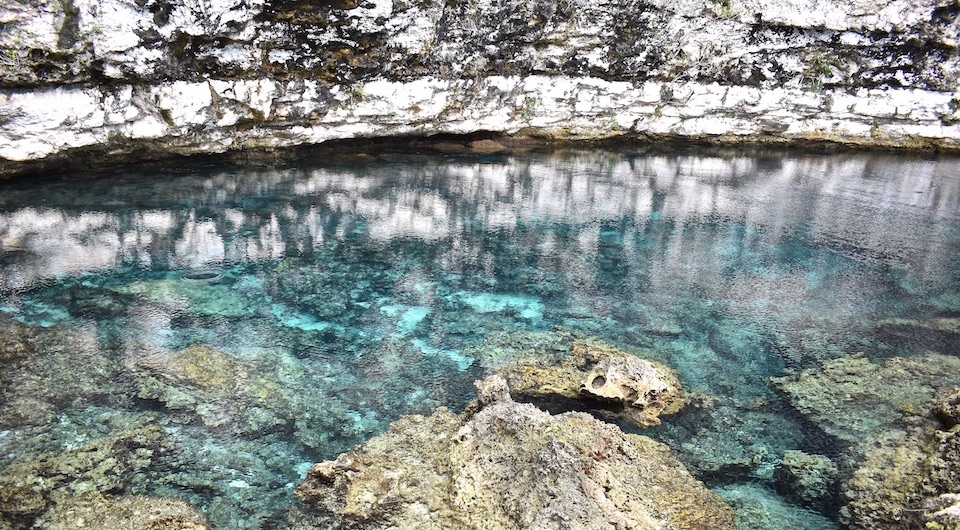
When thinking of Cuba, most people imagine idyllic beaches and colonial cities whose culture moves to the rhythm of the Caribbean. But at the easternmost tip of the island, in the province of Guantánamo, lies a little-known natural treasure: Pozo Azul, in Maisí.
Beyond the iconic lighthouse that marks Cuba’s easternmost geographical point, this region offers a unique experience for ecotourism and adventure enthusiasts.
What to know before you go?
Pozo Azul is a unique geographical feature: a doline—that is, a geological depression—that forms part of a fractured cavern filled with deep, crystal-clear water. Located 12 kilometers from Punta de Maisí, reaching this paradise requires a hike from the town of Sabana, passing through Mesa Abajo, to the area known as El Hondo.
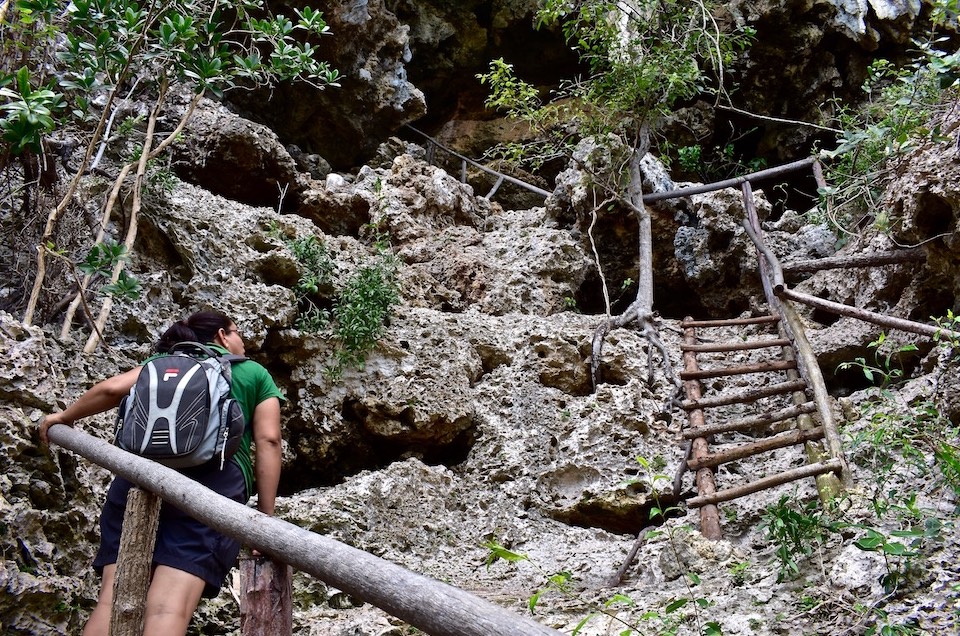
During the hike, visitors cross three large marine terraces that descend in steps: a natural spectacle that includes stairs and railings in rustic sections. The trail continues along the first limestone geological terrace.
It’s not a casual stroll, but the reward offers breathtaking views and the opportunity to immerse yourself in a nearly pristine environment, as well as the chance to observe the rural and traditional life of the surrounding community.
Observing a wide variety of butterflies is among the benefits of the hike. The local vegetation is also very interesting, and Polymita picta, Polymita brocheri brocheri, and Polymita brocheri cuestana, colorful snails endemic to the region can be observed, as well as birds such as the Cuban tody, parrots, and herons, among others.
Appropriate footwear for hiking, drinking water, and sun protection are essential if you wish to explore the area. It is also recommended to be accompanied by a local guide or someone familiar with the trails to ensure a safe and enriching experience.
Scientific studies and explorations at Pozo Azul
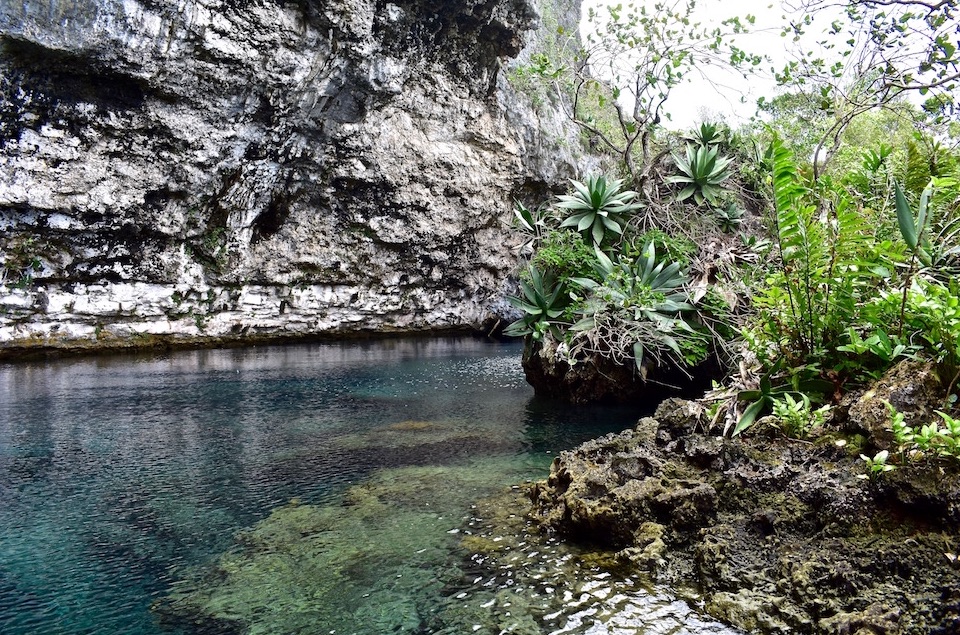
Led by experts such as Dr. Nicasio Viña, PhD in Natural Sciences, and with the collaboration of local technician Alexis Morales Prada, multidisciplinary specialists have studied both the terrain morphology and the underwater characteristics of the doline, which reflects Cuba’s unique biodiversity and geology.
The results of the research, in which the renowned researcher Antonio Núñez Jiménez participated in the 1970s, describe Pozo Azul as a cavern with deep, clear waters.
Within the Yumurí-Maisí protected area, this corridor is home to fragile and relatively undisturbed ecosystems where sustainable ecotourism is being promoted. Its development benefits the environment and strengthens the community’s economy by creating jobs linked to responsible activities, making tourism a source of income that preserves practices and customs of respect for nature.
The experience is highly valued by those who appreciate life in its natural state and seek a genuine connection with an environment largely untouched by mass tourism.