The challenges of Tourism Law under discussion in Cuba
Through roundtables and workshops, authorities, representatives of international organizations, academics, jurists and industry professionals from 23 countries will discuss topics that are part of the current transformation agenda of the global leisure industry
Posted by Daily Pérez Guillén, 11/12/2025
Photos: Panchito González
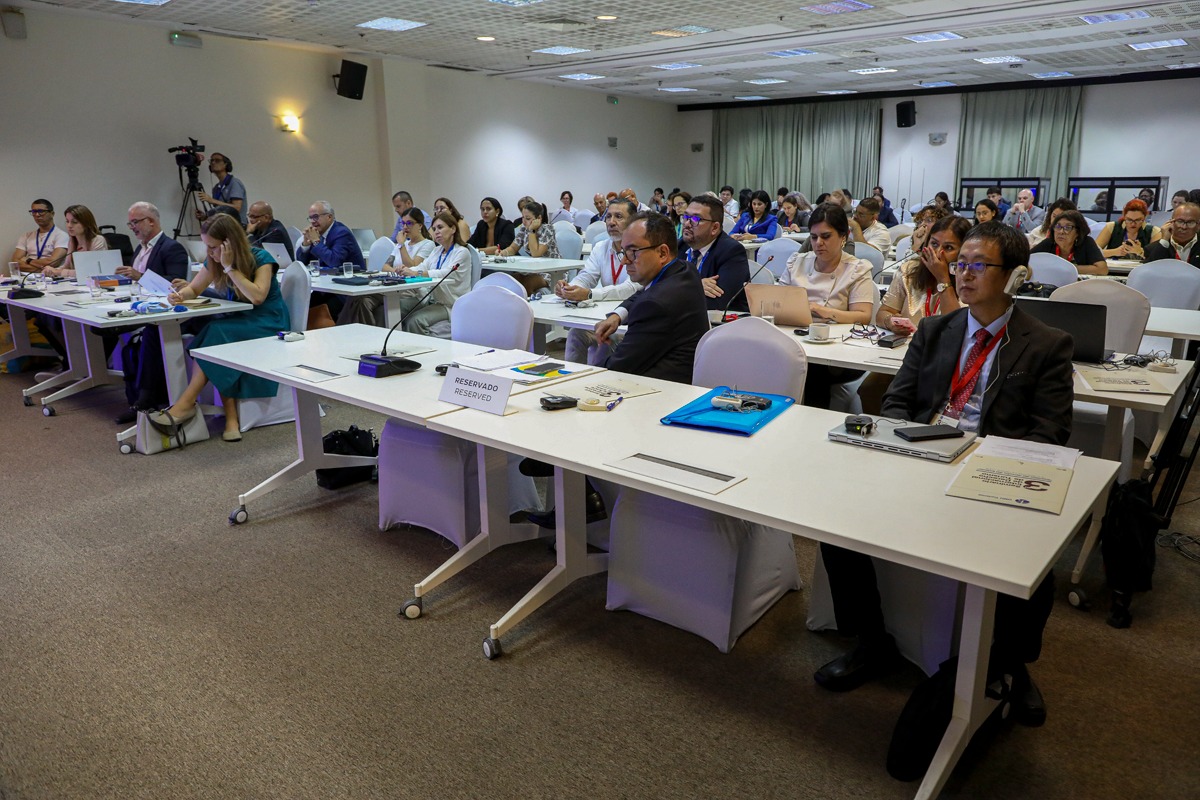
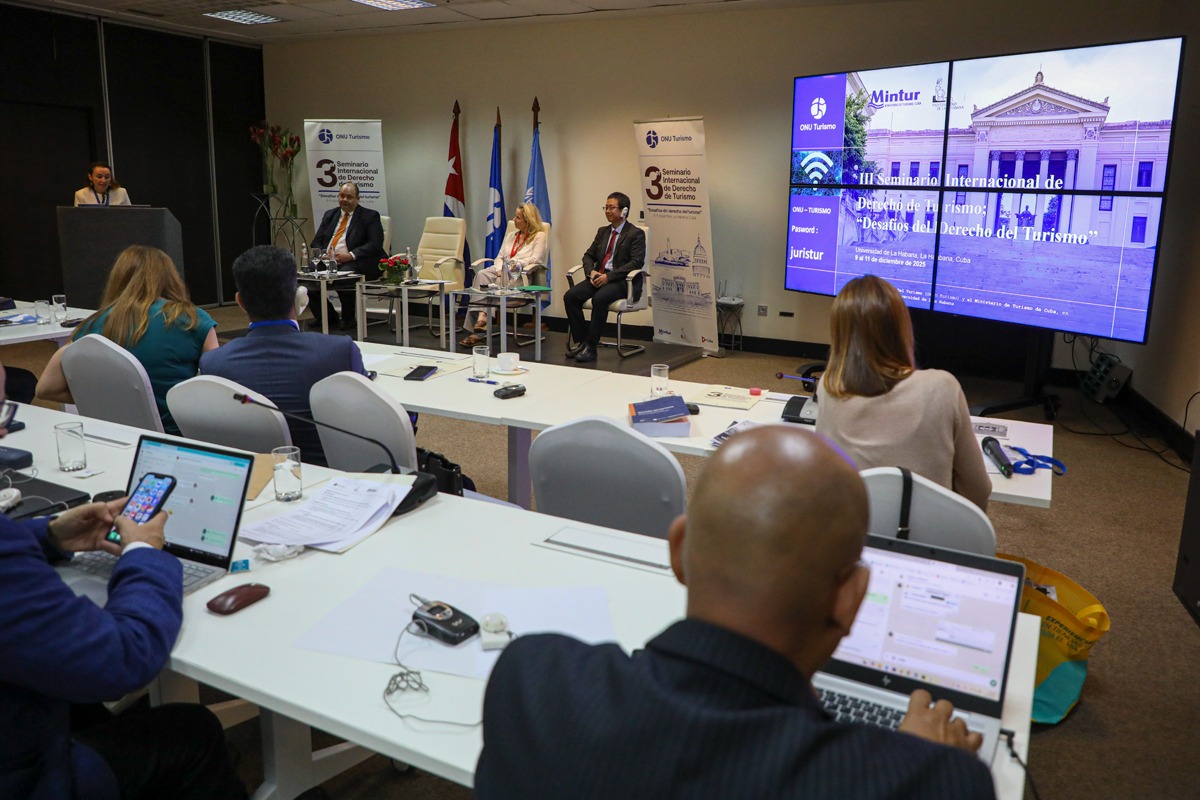
The final day of the Third International Seminar on Tourism Law, held at the Iberostar Parque Central hotel in Havana, will be dedicated to analyzing the challenges posed by climate change, regulations for the use of Artificial Intelligence, rentals and digital platforms, as well as regulations related to accessibility in this sector.
Through roundtables and workshops, authorities, representatives of international organizations, academics, jurists and industry professionals from 23 countries will discuss these topics that are part of the current transformation agenda of the global leisure industry.
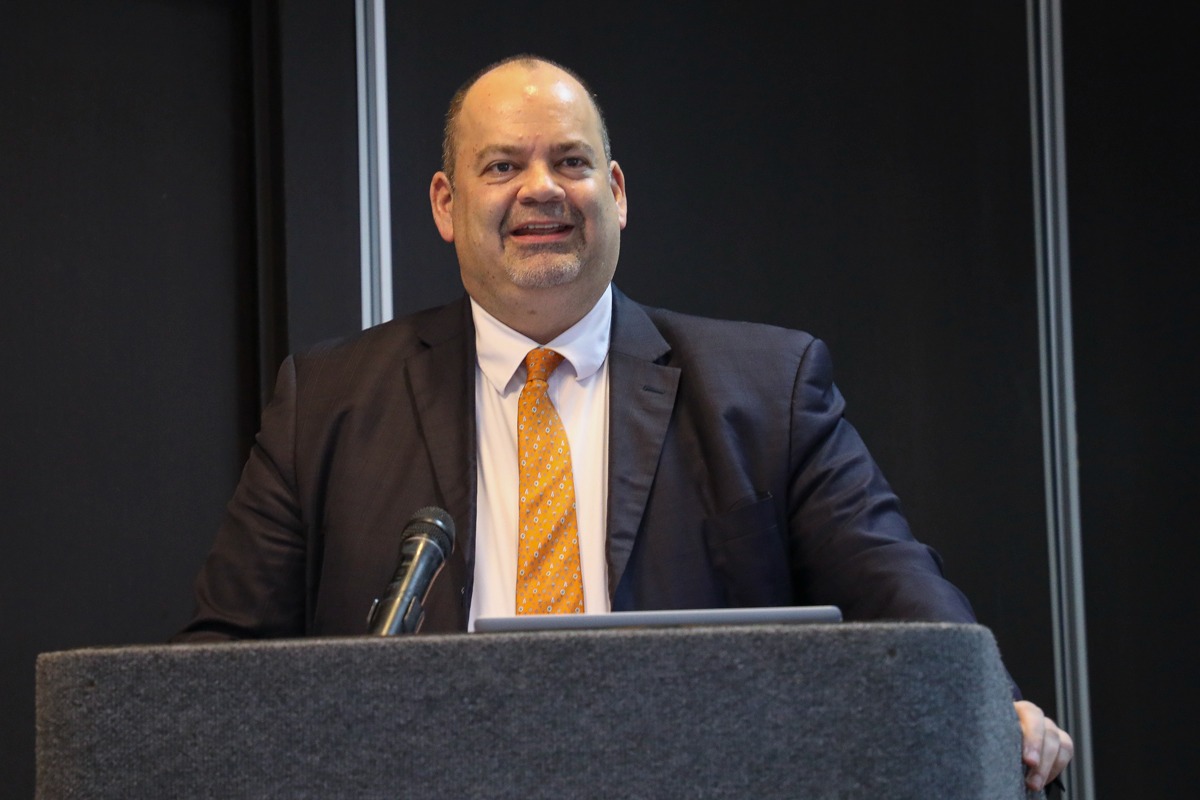
The first part of the program included panels on the legal perspectives and challenges of sustainable tourism within the United Nations system, the objectives of these meetings, and the Tourism Law Observatories at UN Tourism.
Alejandro de Souza, head of the Evaluation and Strategic Planning Unit at the United Nations Office of Legal Affairs, demonstrated how international legal tools related to tourism are codified, harmonized and consolidated as guides for national jurisdictions.
In this regard, he referred to the International Tribunal for the Law of the Sea, the Advisory Opinion of the International Court of Justice, the Inter-American and European Courts of Human Rights, and the Convention on Marine Biodiversity as key references for legislative activity in the sector.
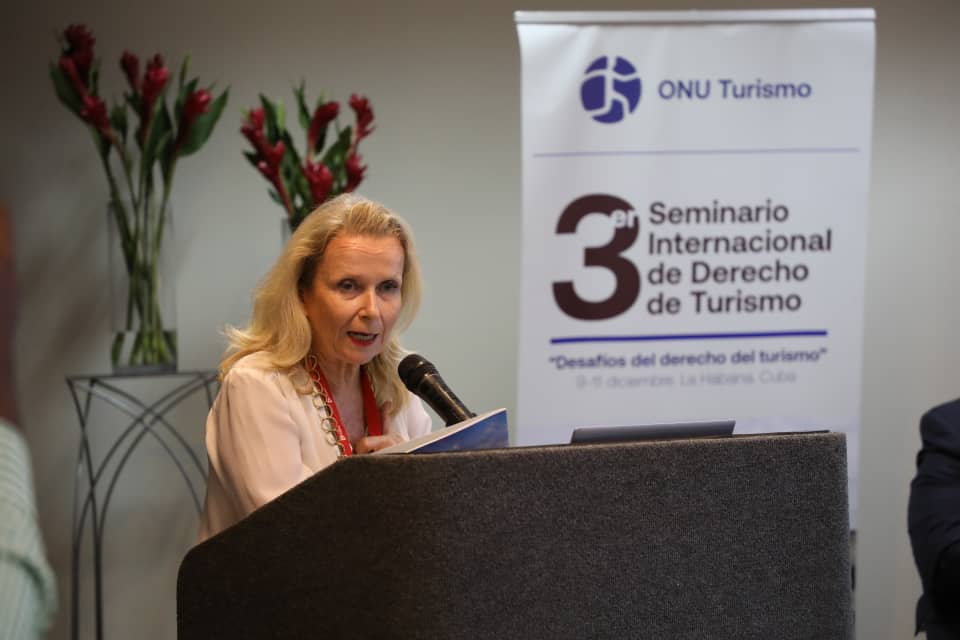
Meanwhile, Anne Lemaistre, UNESCO’s regional director for Cuba, presented the organization’s initiatives to enhance the value of heritage and generate benefits for communities, and especially for young people, through the development of creative and cultural industries, primarily linked to local knowledge and traditions.
Lemaistre specified that valuing communities that are bearers of traditions includes protecting human rights through a Convention that seeks to prevent the homogenization of cultural practices when attempts are made to transform them into tourism products.
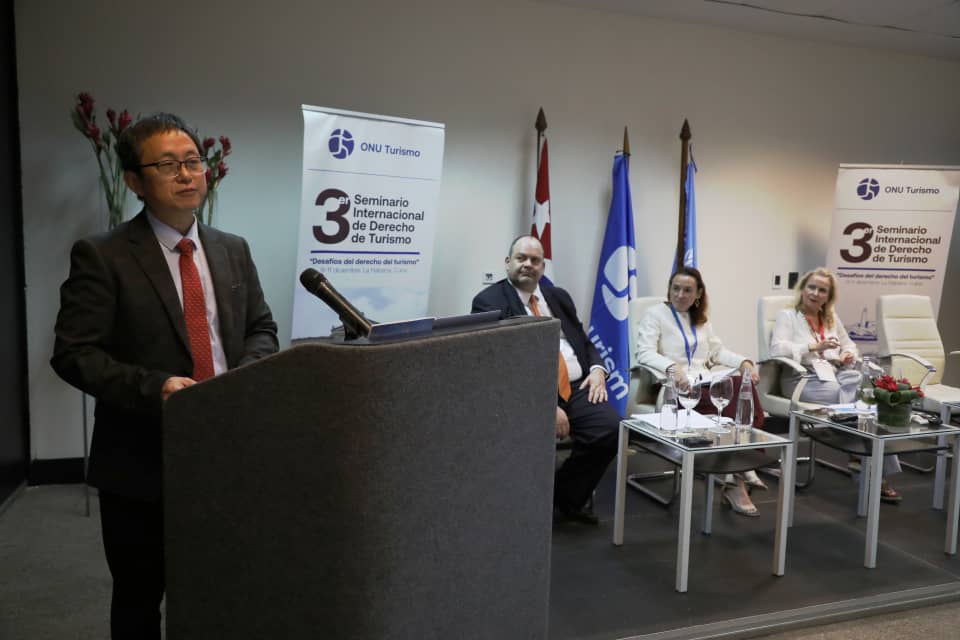
Also joining the presentations was Chunyu Ding, deputy director of the Office of External Relations and Legal Affairs of the International Civil Aviation Organization, who addressed the relationship between connectivity and tourism, as well as trends toward achieving safer air transport and traveler protection.
Meanwhile, Juan José Álvarez, legal advisor to the Cuban Ministry of Tourism, highlighted the challenges facing the sector. He noted that UN Tourism has drafted two international instruments, the International Code for the Protection of Tourists and the UNWTO Framework Convention on Tourism Ethics, but there are still results to be achieved.
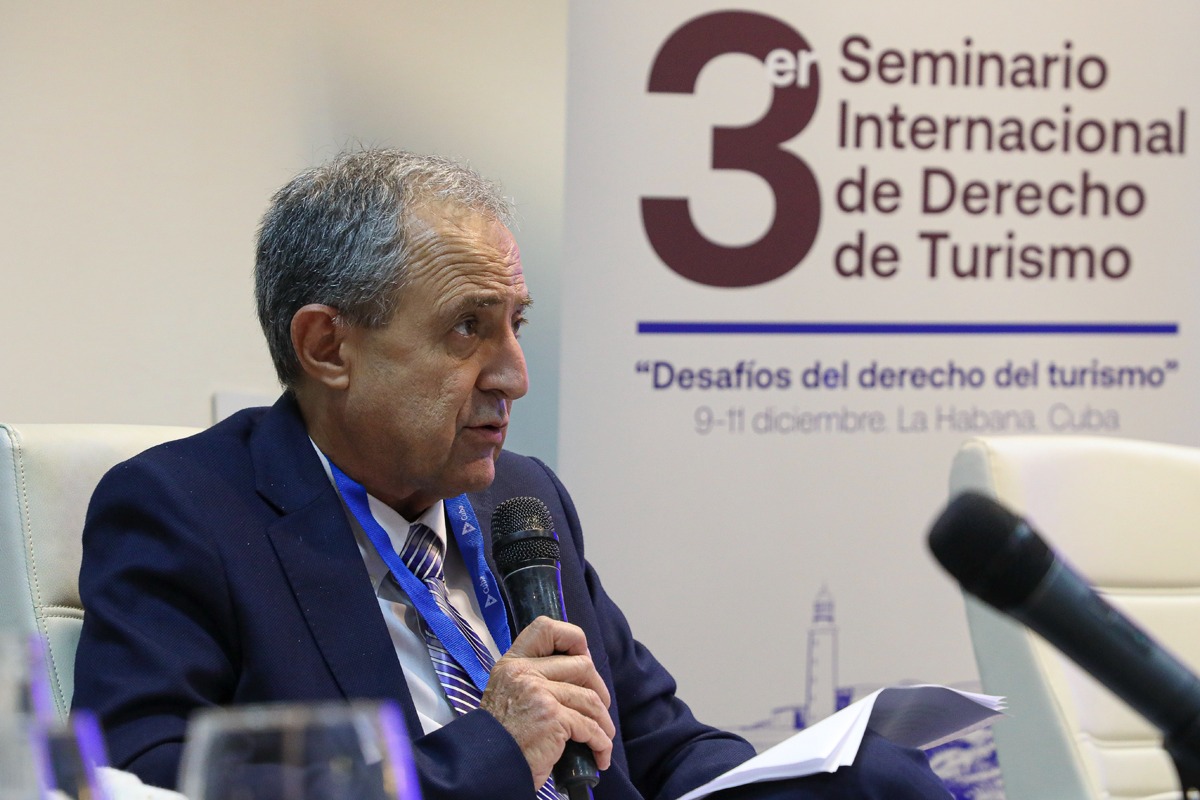
The first working session of the Third International Seminar on Tourism Law was moderated by Alicia Gómez, representative of UN Tourism and director of the Department of Legal Affairs and International Standards of the international organization, who is presiding over this event.