Cuba’s former coffee plantations celebrate 25 years as a World Heritage Site
On November 29, 2000, this Archaeological Landscape was recognized as a world treasure
Posted by Sol de Cuba, 28/11/2025
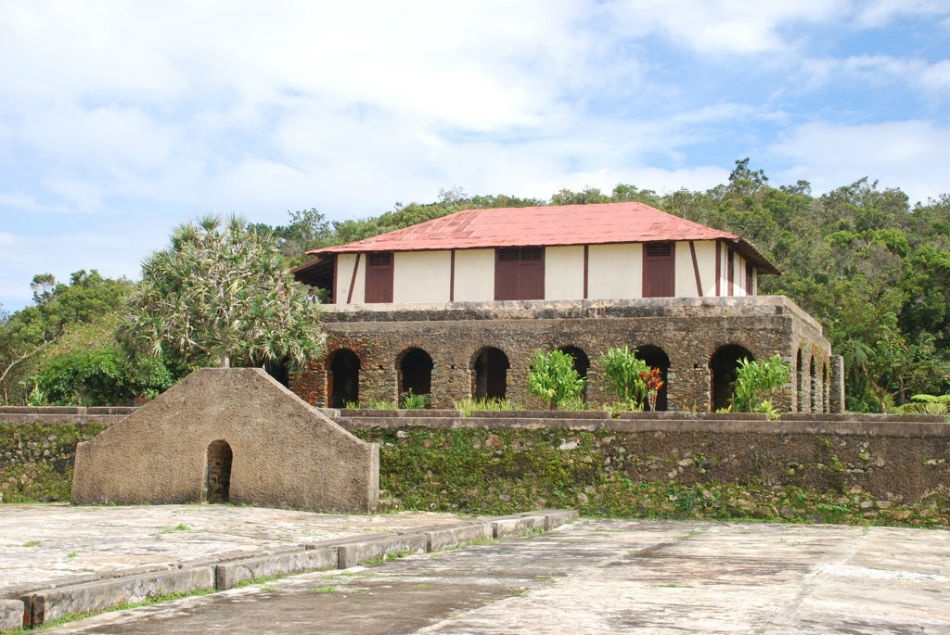
The Archaeological Landscape of the First Coffee Plantations in the South-East of Cuba has now been included on the World Heritage List for a quarter of a century. The designation took place on November 29, 2000, as the ruins of these plantations represent a unique testament to a specific agricultural model in a pristine natural environment.
News outlets throughout Cuba are currently commemorating this milestone in the nation’s cultural history, which carefully preserves this legacy of the 19th and early 20th centuries. During that time, coffee production in southeastern Santiago de Cuba and Guantánamo gave rise to a distinctive cultural landscape, illustrating a crucial stage in the development of agriculture in the region.
Today, as the specialized magazine TTC notes, the area designated as a World Heritage Site encompasses 81,475 hectares and contains 171 ruins of former coffee plantations, which are in varying states of preservation. This territory is also crisscrossed by a network of roads that served as communication routes between the plantations and the coffee export points.
The greatest artistic value is evident in the aesthetic and formal solutions found in the architectural volumes, decorative elements, and in the productive and domestic facilities of the coffee plantations. The ruins reveal the refinement of the French owners, including fireplaces, elaborate furniture and Italianate-style gardens.

The arrival of settlers from Saint Domingue, after the Haitian Revolution of 1791, brought with it a rich cultural imprint that influenced the art, commerce and customs of the region. Many of these immigrants were former plantation owners who established new properties in the mountains near Santiago de Cuba.
Almost a decade before its designation as a World Heritage Site, a group of 94 coffee settlements in Santiago de Cuba had been declared a National Monument of Cuba, an event that occurred on December 30, 1991.
Currently, the management and conservation of this heritage site is the responsibility of the Office of the Conservator of Santiago de Cuba and the Provincial Center for Cultural Heritage. Recently, the Coffee Culture Interpretation Center (Casa Dranguet) and the joint venture Biocubacafé S.A. have formed partnerships to preserve both the tangible and intangible heritage of coffee culture in southeastern Cuba.
In an article by Omar López Rodríguez, city conservator of Santiago de Cuba, published in TTC, the expert points out that “In Cuba, drinking a freshly brewed cup of coffee is a ritual that stirs up sentiments, passions and achievements. When its origin is contemplated, one is transported back to that extraordinary moment in history: the Haitian Revolution, its geographical proximity to Santiago de Cuba, and the French migrants who — after reaching an agreement with the island’s “enlightened” rulers — decided to establish plantations of the “miracle bean” in the mountains of eastern Cuba, a place with the necessary conditions for its cultivation and development.”
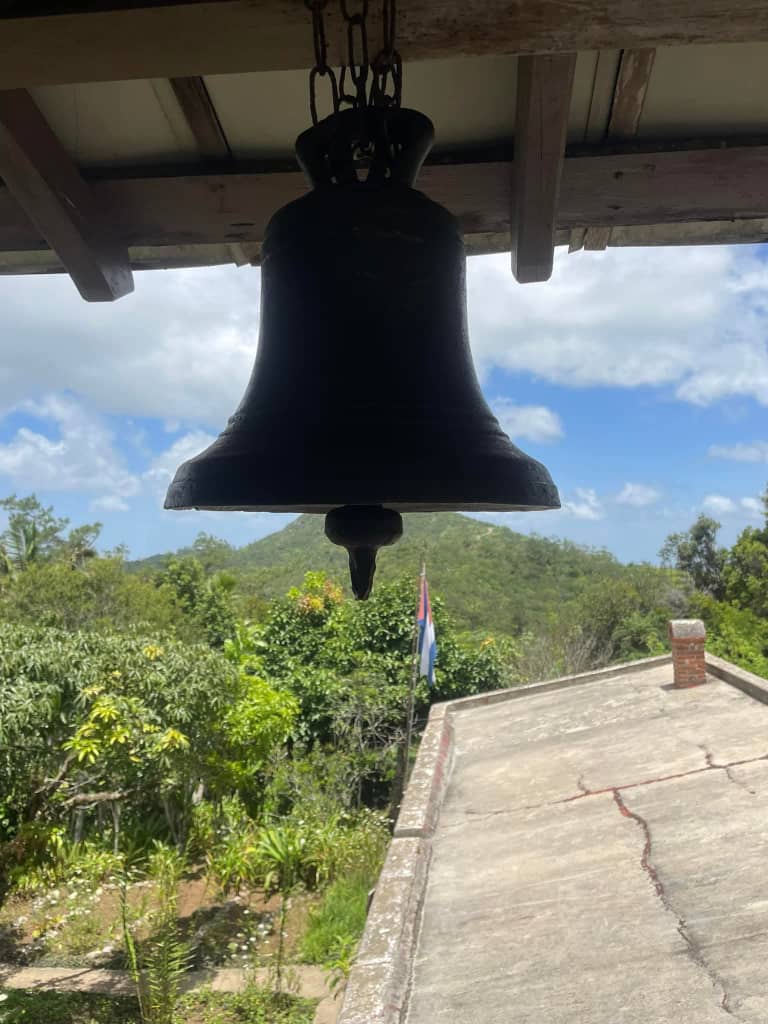
He recalls the rapid development of the coffee industry in the Gran Piedra mountain range and its spread throughout the mountainous region, which enabled highly profitable trade with Europe throughout the 19th century, until the beginning of the Cuban people’s wars of independence, when they sought to disrupt the colonial economy. All of this gave rise to the coffee culture on the island.
“Today, this World Heritage Site, the first linked to coffee to hold this designation, is open to visitors and tourists. Some sites have been restored, while others await the necessary conservation, but all demonstrate a past practice that inspires the continuity of coffee production. This process is understood as the chain that links tradition and modernity to satisfy and validate the Coffee Routes Project, an attempt to carry out social work with established farming communities alongside heritage preservation. The communities see this as an option for their present and future. International collaboration has come from UNESCO, the French government and other French entities, and has continued to expand in recent years, yielding positive results,” the historian notes.