Three ideal diving destinations in Cuba
The archipelago boasts over 500 dive sites along its coastline
Posted by Sol de Cuba, 26/11/2025
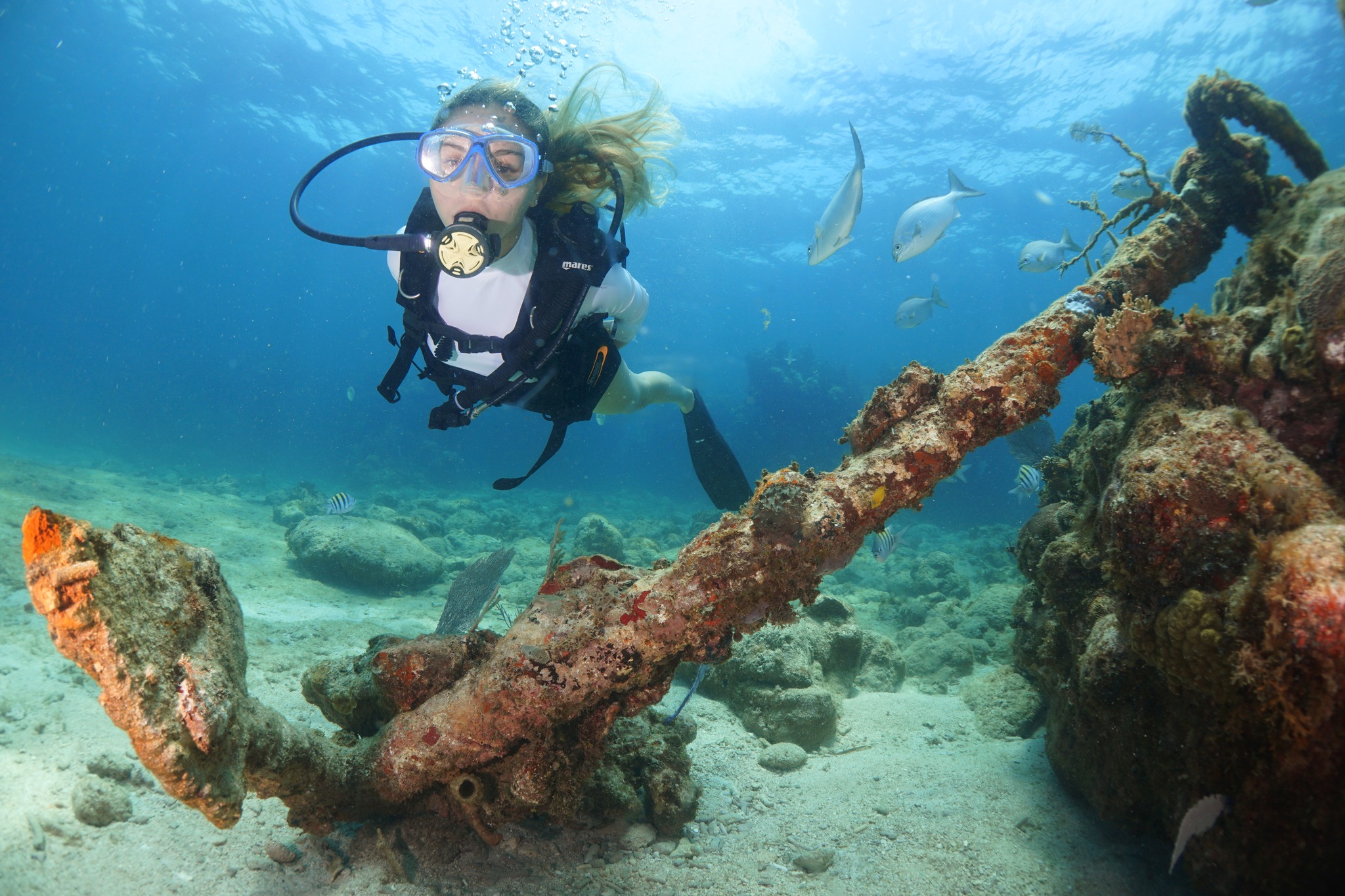
Photo: CubaPlus Travel
Cuba is a true paradise for diving enthusiasts. With over 500 dive sites along its coastline, the archipelago offers unique experiences that combine biodiversity, spectacular underwater landscapes and a tranquil atmosphere, far from the crowds of tourists.
Among its most outstanding gems are three destinations that every sea adventurer should visit: Jardines de la Reina, María la Gorda and Ciénaga de Zapata.
Jardines de la Reina, south of the province of Camagüey, is considered one of the best-preserved marine ecosystems in the Caribbean. Its limited access guarantees a nearly pristine environment, where the absence of crowds allows you to enjoy diving in complete harmony with nature. It is an ideal spot for those seeking adventure and direct contact with wildlife.
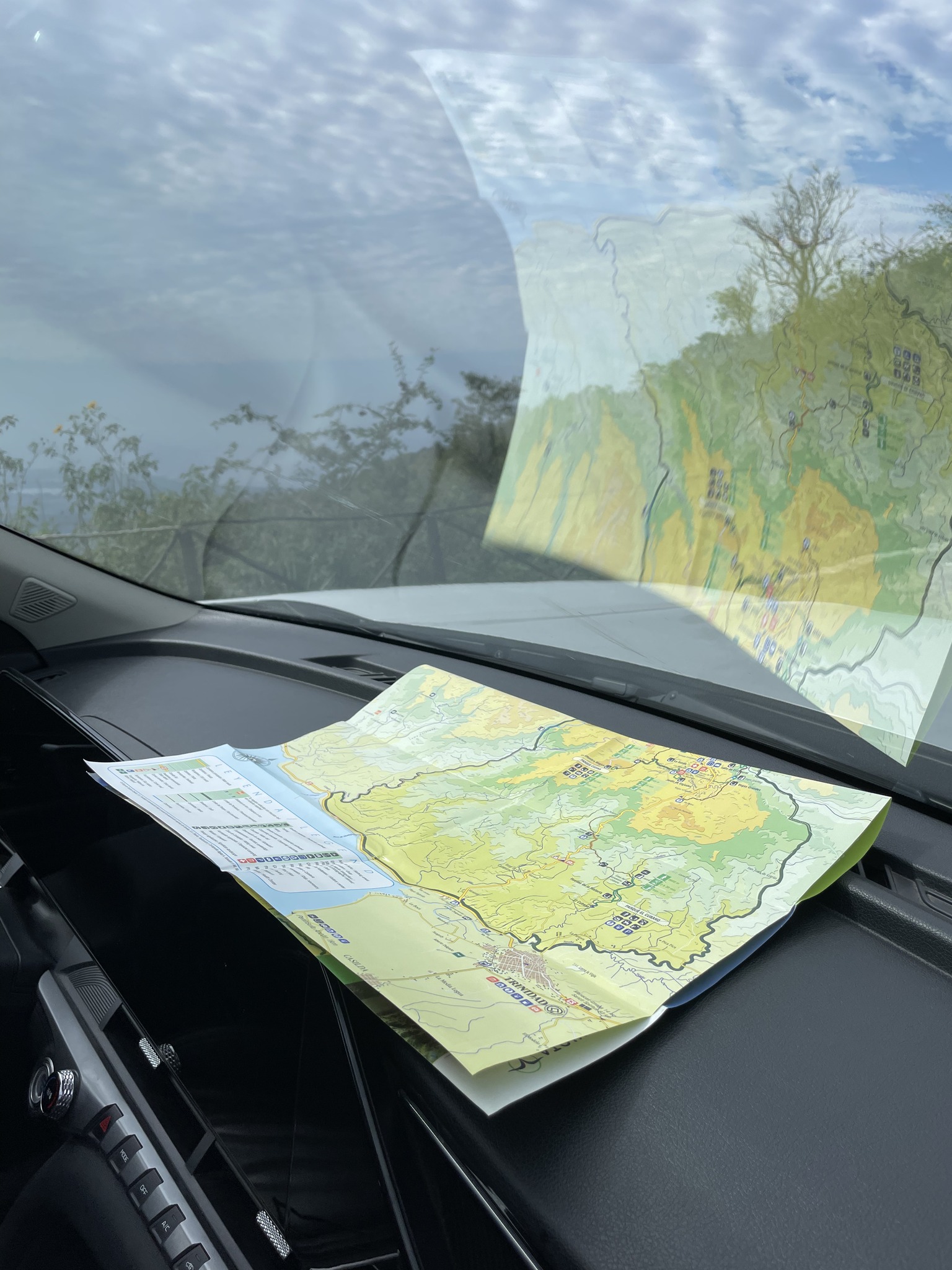
Traveling around the island in search of dive sites is a fantastic experience.
Spanning 2,170 km², this area is considered one of the largest national parks in the country and has been protected as a marine reserve since 1996, a guarantee for maintaining its ecosystems in a near-pristine state.
Underwater, extensive and diverse coral reefs thrive, considered among the healthiest in the Caribbean. Mangroves and seagrass beds provide refuge and breeding grounds for numerous species. Among the emblematic marine fauna of this area are sharks, turtles, rays, snappers and groupers.
Jardines de la Reina has become an international benchmark for marine conservation. The creation of the national park in 2010 consolidated protective measures, which limit fishing and regulate tourism activities. Today, it is valued as a natural laboratory for scientists and a prime destination for those seeking responsible ecotourism experiences.
In the westernmost part of Cuba, María la Gorda is located in Corrientes Bay, within the Guanahacabibes Peninsula National Park, declared a Biosphere Reserve by UNESCO in 1987. Its isolated location gives it a pristine and exclusive character, ideal for those seeking direct contact with nature and authentic underwater experiences.
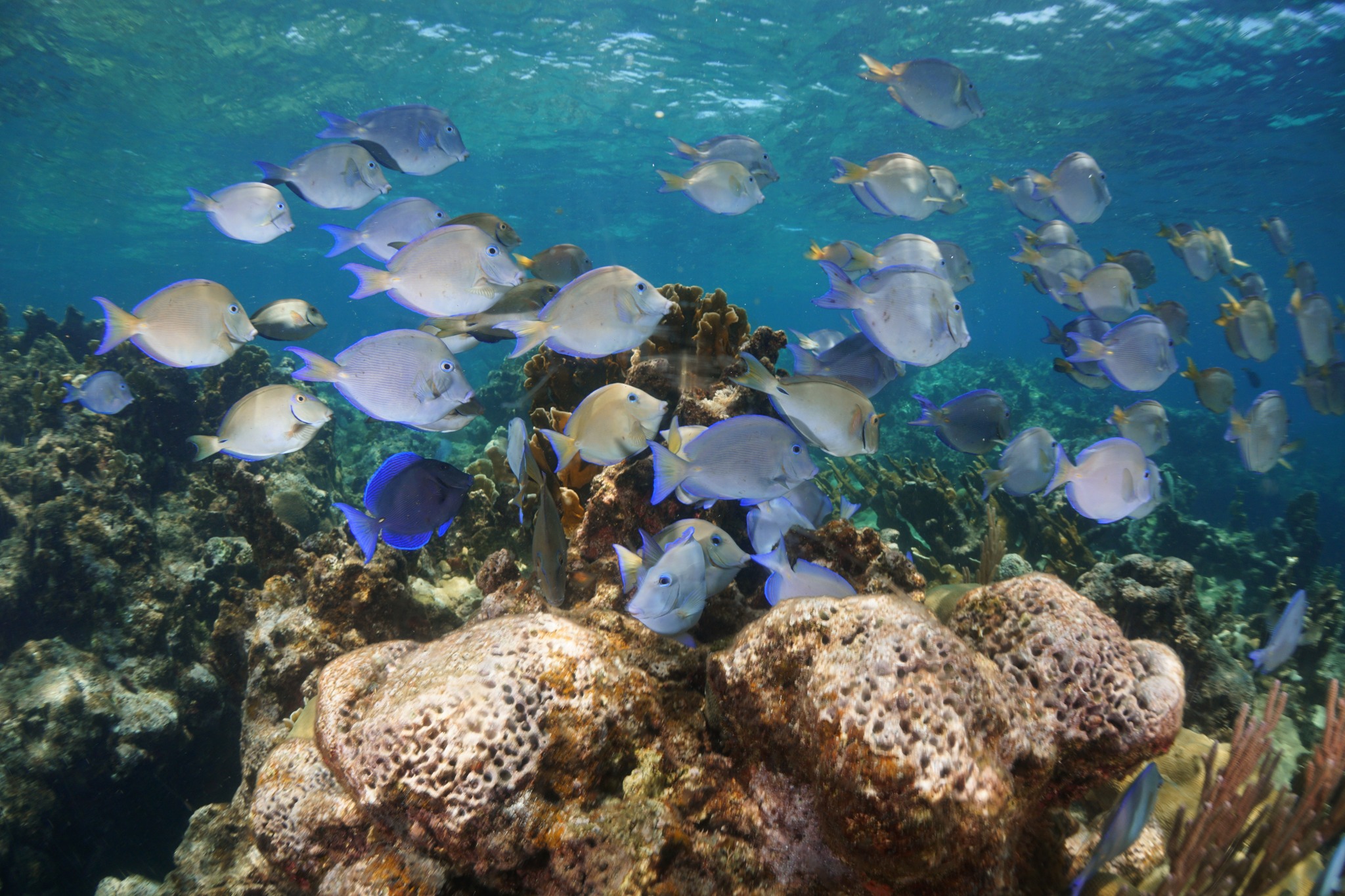
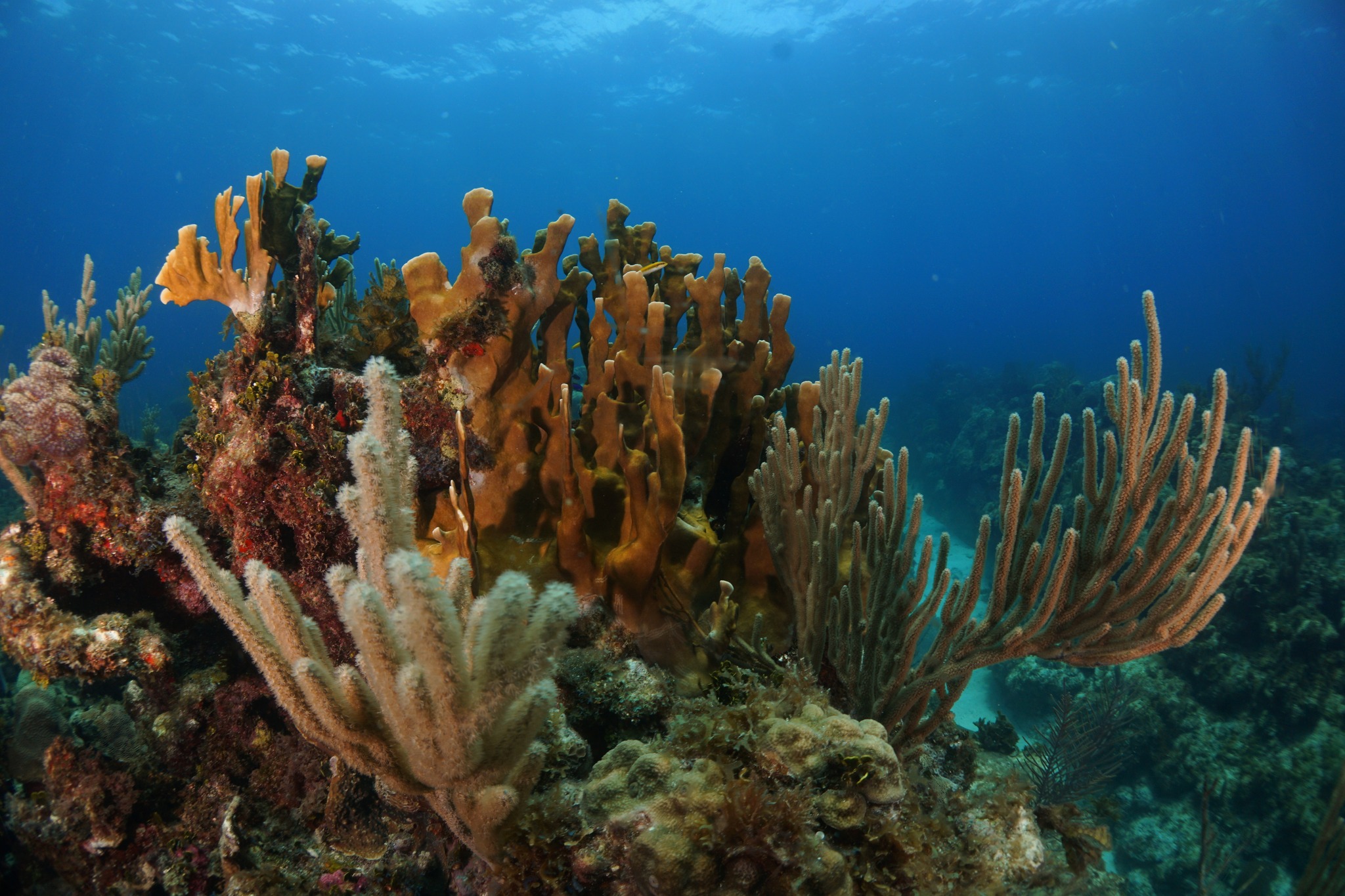
The María la Gorda International Diving Center offers access to more than 50 dive sites. Among the most famous are the Gorgonian Garden, with its extensive colonies of sea fans; The Aquarium, where the diversity of tropical fish creates a spectacle of color; El Almirante and Yemayá, underwater walls that plunge to impressive depths; and black corals and coral reefs considered among the healthiest in the Caribbean, among others.
The area is also renowned for the presence of large fish such as groupers and snappers, as well as sea turtles and sharks that coexist in a balanced ecosystem.
The Villa María la Gorda resort offers simple yet comfortable accommodation, designed for divers and nature lovers. It offers introductory and advanced diving courses, group and individual excursions, and reef, wall, and cave diving with specialized night programs.
This ecological sanctuary also boasts archaeological remains of old ships that sailed between Europe and the Americas during the colonial era, adding a historical appeal to the dives.
In the south-central part of the island, the Zapata Peninsula stands out as Cuba’s best-preserved natural landscape. Declared a Biosphere Reserve by UNESCO and recognized as the largest wetland in the Caribbean, it boasts over 600 hectares of mangroves, swamps and virgin forests.
This refuge is home to unique species such as the Cuban crocodile, the bee hummingbird—the smallest bird in the world—and the prehistoric manjuarí fish. Travelers will find diverse attractions and opportunities for unforgettable experiences amidst the local flora and fauna.
Located south of Matanzas province, the national park features beaches, natural lakes, flooded caves that connect to the sea, natural pools, and exceptionally beautiful underwater landscapes ideal for diving and snorkeling, both day and night. Visitors can enjoy recreational diving, underwater photography, cave diving and snorkeling, based at the internationally certified centers Cueva de los Peces, Punta Perdiz, Playa Girón and Caleta Buena, all equipped with the appropriate equipment. Beginners can also take introductory classes and courses taught by ACUC to obtain various certifications.
For diving enthusiasts, the conditions are ideal, as water temperatures remain between 25 and 30 degrees Celsius year-round, and the seabed boasts a great diversity of flora and fauna, beautiful coral reefs, and abundant sponges—all perfect for photography.
These are just three locations across Cuba that are accessible to those who love marine activities, but there are other options throughout the vast island for those seeking to discover the secrets of the Caribbean Sea.
.