Ciénaga de Zapata: The largest wetland in Cuba and the Caribbean
The site has been designated a Biosphere Reserve since 2000 and a RAMSAR Site.
Posted by Sol de Cuba, 10/12/2025
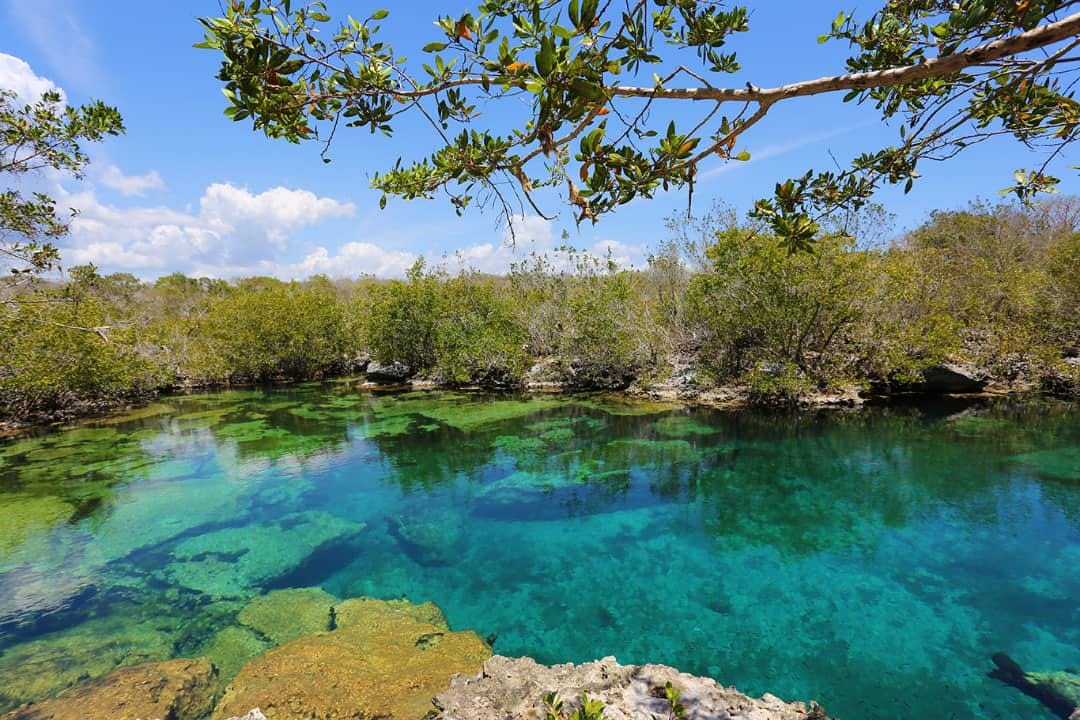
Photos: David Estrada Rodríguez, Noel López y Maydel Pérez / Naturaleza Secreta
The Ciénaga de Zapata, located south of the province of Matanzas and approximately 180 kilometers southeast of Havana, is recognized as the largest and best-preserved wetland in the Caribbean.
This area has been designated a Ramsar Site and Biosphere Reserve, covering an area of 4,322 square kilometers, more than a quarter of which is marshy.
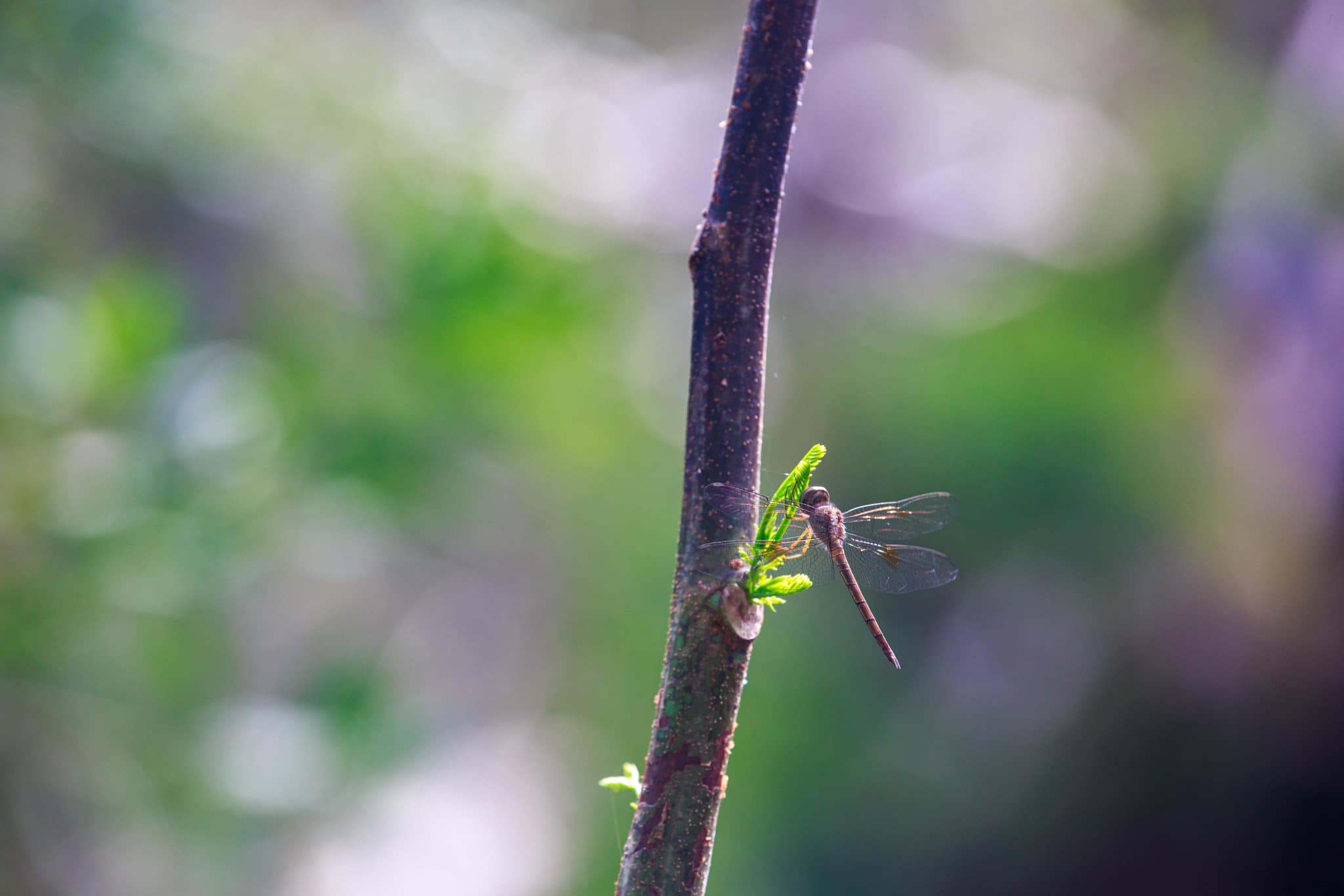
Furthermore, the region is a crucial refuge for 900 plant species and more than 200 bird species, including the famous zunzún (bee hummingbird), the smallest bird in the world, and is considered a watershed of great national importance. According to experts in the field, the karst morphology of this ecosystem is particularly interesting.
The region is also a unique tourist destination, offering a special experience on the island.
Tips for nature lovers
The Zapata Swamp is an extensive ecosystem made up of mangrove forests, keys, seagrass meadows, coral reef barriers and deep reefs, including the Gulf of Cazones, a deep underwater canyon that is the main site for important commercial species such as snappers and groupers.
The state of conservation of the coral reefs in the area is remarkable. It comprises an important gyre-shaped current system.
The maximum height above sea level is only about 10 meters, while the maximum depth in coastal areas below sea level is 2 meters in the marshland zone and 1 to 600 meters in the coastal sea zone.
The climatic characteristics are strongly influenced by local physical and geographical conditions. The average annual temperature is warmer inland, with a warm thermal regime almost year-round. In the warmest month, the average temperature is 30°C, and in the coldest, it is 20°C. The warmest season begins in May and ends in October, while the coldest (winter) extends from November to April.
There is a wide variety of ecosystems, mainly in areas where freshwater-saltwater interface conditions predominate and in lowlands where salt lagoons, mangrove vegetation and elevated karst areas combine with typical semi-deciduous forest vegetation.
Regarding the flora, species of genetic value and various species of insectivorous plants belonging to the bladderwort and wood sorrel stand out. Also notable in this area are the so-called “petenes,” which have been recognized as a new plant complex for Cuba: the Manantial Pantano Plant Complex.
The mangrove forests constitute one of the largest and best-preserved expanses in Cuba. They are home to the four species of mangroves found in Cuba: Rhizophora mangle (red mangrove), Avicenia germinans (black mangrove), Laguncularia racemosa (white buttonwood), and Conocarpus erecta (buttonwood).
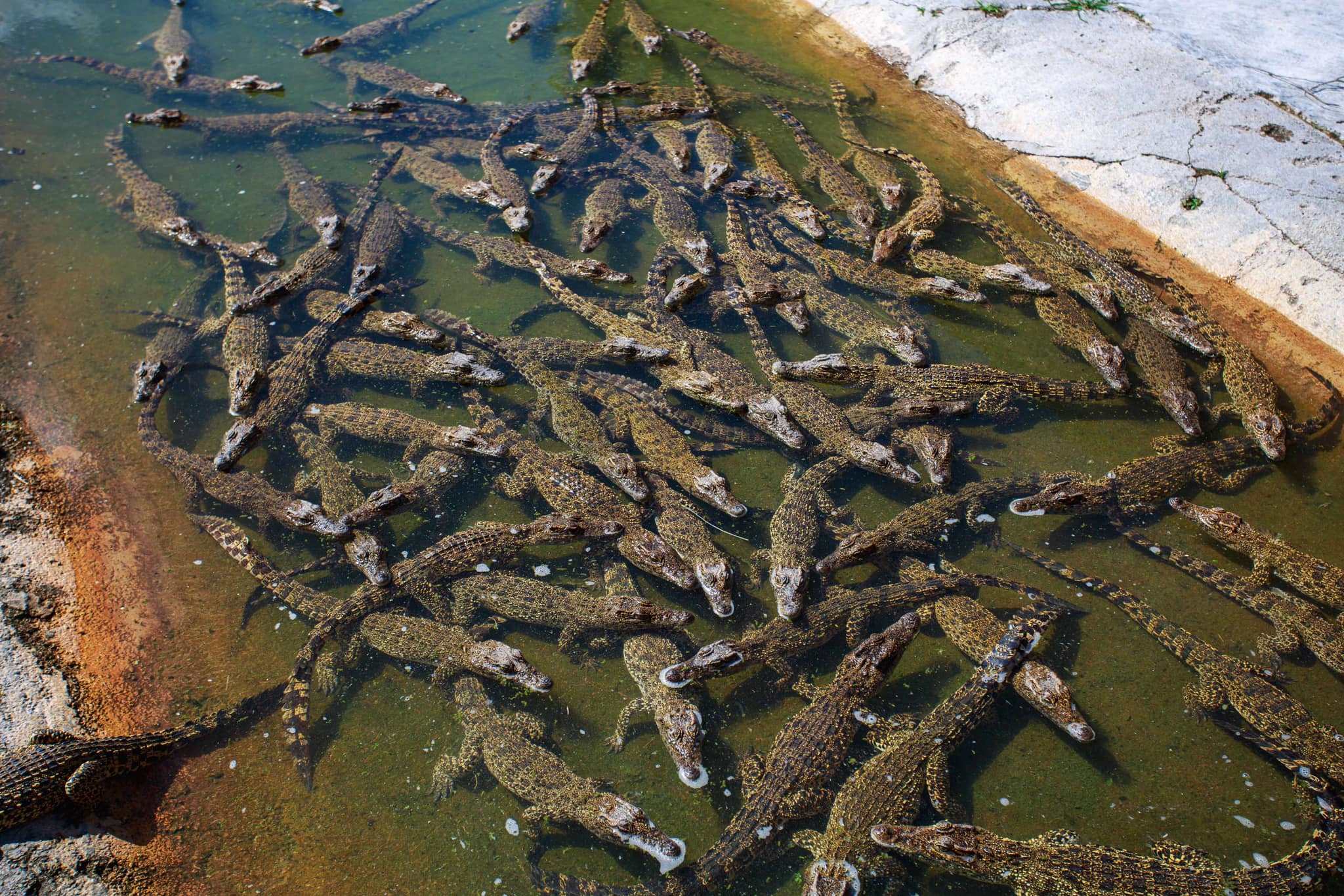
From a faunal perspective, the largest wild populations of the Cuban crocodile (Cocodrilus rhombifer) and the American crocodile (C. acutus) are notable. Important populations of the hutia (C. pilorides) are also found here, as well as birds such as the sandhill crane (Gnus canadensis nesiotes).
The presence of three endemic birds threatened due to their limited distribution is noteworthy: the Zapata wood rail (Cyanolimnas cerverai), the Zapata wren (Ferminia cerverai), and the Zapata sparrow (Torreornis inexpectata inexpectata).
Nesting in this park are species such as the Amazona leucocephala (Parrot), Priotelus temnurus (Cuban trogon), Todus multicolor (Cuban tody), Mellisuga helenae (bee hummingbird), Chlorostilbon ricordi (Cuban emerald) and Aratinga euops (Cuban parakeet). Other birds include the Butoegallus anthracinus (black-backed hawk), Teretristis fernandinae (yellow-headed warbler), Dendroica petechia (yellow warbler), Starnoenas cyanocephala (blue-headed quail-dove) and the Glaucidium siju (Cuban little owl).
The park’s forests are home to a subspecies of the endemic reptile, the Anolis lueteogularis calceus.
Travelers visiting the Zapata Swamp can enjoy a variety of outdoor activities. From hiking and birdwatching to kayaking and scuba diving; the options are endless.
Guided boat tours are especially popular, allowing visitors to explore the canals and mangroves that characterize this region. According to a report from the Cuban Ministry of Tourism, ecotourism activity has grown by 25% in the last five years, reflecting the growing interest in this type of experience.
Cultural heritage and the tourist destination
The Ciénaga de Zapata is not only a natural treasure but also a place steeped in history and culture. The region is home to communities that have maintained ancestral traditions. Visitors can enjoy local music, dance and cuisine, which reflect the island’s rich cultural heritage.
In addition, it has a fascinating history dating back to pre-Columbian times. The Taíno, the island’s indigenous inhabitants, inhabited this region and utilized its natural resources. During the colonial period, the area became an important center for sugar production.
Today, vestiges of this rich history can be seen in colonial buildings and local museums.
For hiking enthusiasts, the Ciénaga de Zapata offers a variety of trails that vary in difficulty. The Ciénaga de Zapata National Park has well-marked trails that allow visitors to explore the local flora and fauna. The most popular route is the La Salina trail, which offers panoramic views of the surrounding landscapes and opportunities for birdwatching. La Ciénaga is also known for its excellent diving and snorkeling sites. The crystal-clear waters off the southern coast are home to colorful coral reefs and rich marine life. Local dive centers offer courses and excursions for both beginners and experienced divers.